


The Manaslu Loop Trek is one of Nepal’s most rewarding yet demanding Himalayan adventures. Known for its remote trails, cultural richness, and breathtaking mountain views, this trek challenges both your body and mind. To make the most of it, having a solid workout plan for trekking is essential. Whether you are an experienced hiker or a first-time trekker, preparing your body for steep ascents, long walking days, and high-altitude conditions can make a huge difference. With proper training, you can walk confidently, enjoy every step, and truly experience the raw beauty of the Manaslu Region.
How Fit Do You Need to Be for the Manaslu Circuit Trek
The first thing trekkers often ask is: “How fit do I need to be for this adventure?” The answer depends on your endurance, preparation, and determination. The Trekking Difficulty in the Manaslu Region is considered moderate to challenging. You’ll be trekking six to eight hours a day through steep trails, rocky terrain, and high-altitude sections. This means you need to be in good physical shape, capable of walking long distances with a backpack while maintaining steady energy levels.
Since the Manaslu route includes several elevation gains, your cardiovascular endurance and leg strength are key. You don’t have to be an athlete, but being consistent in your training is crucial. Start early preferably 10 to 12 weeks before your departure to build stamina, strengthen muscles, and enhance flexibility. Even light jogs, brisk walking, cycling, and stair climbing help condition your body. Remember, the fitter you are, the more enjoyable the trek becomes. Fitness also minimizes the risk of altitude-related fatigue and muscle soreness, helping you complete the journey safely and with confidence.
12-Week Training Plan for the Manaslu Circuit Trek
A well-structured 12-week plan can help you prepare both physically and mentally for the trek. The goal is to improve endurance, build muscle strength, and simulate trekking conditions before you reach Nepal. Divide your preparation into three phases: foundation, progression, and simulation.
Weeks 1–4 (Foundation Phase): Focus on building cardiovascular endurance with 30–45 minutes of brisk walking, jogging, or cycling at least four days a week. Include basic strength exercises like squats, lunges, planks, and push-ups. Stretching after every session will enhance flexibility.
Weeks 5–8 (Progression Phase): Gradually increase workout intensity and duration. Add uphill walking, stair climbing, or hiking on local trails carrying a light backpack. This phase strengthens your legs and prepares your joints for uneven terrain. Aim for 60–75 minutes of cardio sessions five days a week.
Weeks 9–12 (Simulation Phase): Now mimic real trekking conditions. Hike with a loaded pack weighing 8–12 kg, ideally on consecutive days. Wear the same boots you’ll use on the trek. This helps your body adjust to carrying weight over long hours. By the end of week 12, you should feel stronger, more confident, and well-prepared for the challenges of the Iconic Landmarks of the Manaslu Circuit Journey, which includes breathtaking passes, suspension bridges, and remote mountain landscapes.
Cardiovascular Endurance Training for High Altitude Trekking
Building cardiovascular fitness is one of the most important parts of preparing for high-altitude treks like Manaslu. When you walk at elevations above 3,000 m, the air gets thinner, making it harder for your lungs to supply oxygen. This is why cardio training is essential; it improves heart and lung capacity, allowing your body to perform efficiently under reduced oxygen conditions.
Start with moderate-intensity cardio such as walking, cycling, or swimming, then gradually include hill sprints or interval training. These high-intensity bursts build stamina and mimic the effort needed for steep uphill sections. Aim for at least four cardio workouts per week. On weekends, replace one session with a long hike to build endurance and test your gear.
Good cardiovascular training helps you handle long walking days, recover faster, and enjoy the trek more comfortably. It’s also a great way to prepare for high passes like Larkya La Pass, one of the most iconic points of the journey. Reaching this stunning mountain pass requires endurance, determination, and well-trained lungs, something you’ll gain through consistent cardio workouts.
Strength & Leg-Muscle Training for the Manaslu Circuit Trek
Endurance alone isn’t enough; you also need strength to handle the demanding terrain. The Manaslu route involves steep climbs, long descents, and uneven rocky trails that test your lower body and balance. Incorporate strength training exercises at least three times a week to prepare your muscles for these challenges.
Focus on compound movements that target multiple muscle groups: squats, lunges, step-ups, and deadlifts for the legs; planks and Russian twists for the core; and push-ups or shoulder presses for the upper body. These exercises help you maintain posture and stability when carrying a backpack uphill or downhill. Add resistance bands or light weights as you progress.
Training your core and legs will also improve your ability to maintain balance on rough trails, especially when fatigue sets in. It’s equally important to stretch and cool down after workouts to prevent stiffness. Over time, your legs will become more powerful, your endurance higher, and your trek much smoother. As you grow stronger, imagine walking through the trails surrounded by the reward of witnessing the rich biodiversity of the Manaslu Region for all your hard work.
US$
1290 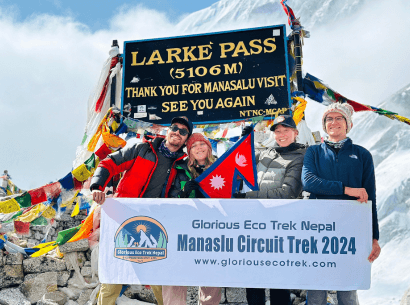
 14 Days
 Challenging
Backpack Load Training and Simulated Hike Practice
Once your base fitness improves, begin practicing with your trekking gear. Simulated hikes with a backpack help your body adapt to carrying weight for hours. Start by loading your pack with 5 kg and gradually increase up to 10–12 kg over time. This mimics what you’ll carry during the trek and strengthens your shoulders, back, and hips.
Wear your trekking boots and use poles during these hikes to get used to your actual equipment. Try different terrains, hills, gravel paths, and uneven trails to replicate trekking conditions. This not only builds physical endurance but also boosts your mental toughness, teaching you how to pace yourself over long days.
During these training hikes, experiment with your Complete Packing List for the Manaslu Circuit Trek to determine what’s essential and comfortable to carry. You’ll learn which clothing layers work best, how to balance your pack, and how to adjust straps properly. These practice sessions also prepare your body for long-distance walking, ensuring fewer surprises when you finally step onto the real Manaslu trail.
Altitude Training & Acclimatization Strategy for Larkya La Pass
Crossing the famous Larkya La Pass (5,160 m) is the most thrilling yet demanding part of the Manaslu Circuit. High-altitude trekking requires your body to adapt to lower oxygen levels, which is why proper preparation is essential. You can’t fully simulate altitude at home, but you can train your body to perform efficiently with limited oxygen. Activities like hiking, stair climbing, or running at moderate intensity for extended periods can help strengthen your lungs and heart. Breathing exercises such as deep diaphragmatic breathing or pranayama are also beneficial for improving oxygen intake and lung capacity.
Once you’re on the actual trek, follow an appropriate High-Altitude Adaptation for the Manaslu Circuit Trek strategy to stay healthy and prevent altitude sickness. Ascend gradually, hydrate frequently, and take rest days as planned by your guide. Avoid rushing, as your body needs time to adjust to the altitude. If symptoms like headache, dizziness, or nausea occur, rest or descend to a lower point. Physical training combined with awareness and patience ensures you’ll safely conquer the pass and enjoy panoramic views of snow-covered peaks, frozen lakes, and surrounding glaciers, a truly unforgettable reward after weeks of preparation and endurance training.
Nutrition, Hydration, and Recovery Tips for Trek Fitness
Training hard means nothing without proper nutrition and recovery. Your body requires balanced fuel to power through workouts and trekking days. During training, focus on whole grains, lean proteins, fruits, and vegetables. These foods provide the energy and nutrients your muscles need to perform and recover. Complex carbohydrates such as rice, oats, or quinoa supply long-lasting stamina, while proteins like eggs, lentils, and chicken help repair tissue after intense sessions. Don’t forget healthy fats from nuts or avocados; they keep you energized during long hikes.
Hydration is equally important. Drink 2–4 liters of water daily during training and even more during trekking. On the trail, drink small amounts frequently to stay hydrated at altitude. Post-training recovery is a key stretch after workouts, sleep at least 7–8 hours, and take rest days to let your muscles rebuild. During the actual trek, you’ll enjoy local Dining and Accommodation along the Manaslu Circuit where simple but nourishing meals like dal bhat (rice and lentils) provide the perfect energy boost. Recovery, rest, and good nutrition together make your body resilient enough to handle the challenges of the Manaslu trail.
Mental Preparation and Trekking Mindset for the Manaslu Circuit
Physical strength is vital, but mental preparation is what carries you through tough moments. Trekking in remote mountain regions challenges your patience, focus, and determination. Building mental resilience before your trek helps you stay positive even when conditions get tough. Visualization exercises imagining yourself walking through mountain villages or reaching the summit of the pass can boost motivation. Meditation and mindfulness can also calm your mind and reduce pre-trek anxiety.
Understanding the culture and traditions along the route also enhances your emotional connection to the journey. You’ll encounter the beautiful Local Villages and Cultures on the Manaslu Circuit Trek where locals greet you warmly and share their way of life. Immersing yourself in their hospitality and traditions gives you purpose beyond physical trekking; it becomes a cultural journey. Remember that a calm mind adapts faster, handles challenges better, and enjoys the experience more. Embrace flexibility, smile through discomfort, and remind yourself why you started each step brings you closer to one of Nepal’s most scenic circuits.
Best Time and Environmental Aspects of the Trek
While physical fitness is vital, choosing the Ideal Season to Trek the Manaslu Circuit makes a huge difference in your overall experience. Spring (March–May) and autumn (September–November) are ideal because the weather is stable, skies are clear, and the trails bloom with life. You’ll enjoy moderate temperatures, making daily hikes comfortable and scenic. Training before these months allows your body to be at peak performance during the actual trek.
Another special feature of this journey is the Flora and Fauna of the Manaslu Region, which brings vibrant natural beauty to your trek. As you hike through rhododendron forests, alpine meadows, and high-altitude pastures, you may spot Himalayan tahr, blue sheep, and rare birds. Understanding the environmental diversity of the region helps you appreciate the trail beyond its physical demands. A fit body lets you focus more on these natural wonders rather than exhaustion. Combining the right timing with dedicated training ensures you experience the Manaslu Circuit at its absolute best where fitness meets nature and adventure.
Conclusion
Preparing for the Manaslu Circuit is not just about building strength, it’s about balance, patience, and consistency. A focused fitness training plan, proper nutrition, and the right mindset together create the foundation for success. When you finally set foot on the trail, all your effort pays off as you cross breathtaking landscapes, encounter welcoming locals, and reach the legendary Larkya La Pass with confidence. Whether it’s tackling steep climbs or admiring the wild beauty of the Manaslu Region, your preparation ensures that every step becomes a rewarding memory. Train smart, trek strong, and let adventure begin!