


Mount Everest is the highest mountain in the world. It is 8,848 meters (29,029 feet) tall. It is located in the Himalayas, a big mountain range between Nepal and Tibet.
Many people dream of climbing Everest because it is a great challenge. Some want to set records, while others do it for adventure. But climbing this mountain is very hard and dangerous. You can also go just for the Everest Base Camp Trek for easier options.
Everest is always covered in snow and ice. The weather is freezing cold, and the wind is very strong. As you go higher, the air becomes thinner, making it harder to breathe. Climbers must carry oxygen tanks to help them survive.
Even with all these dangers, thousands of climbers try to reach the top every year. Some succeed, but sadly, some do not make it back.
What is Green Boots?
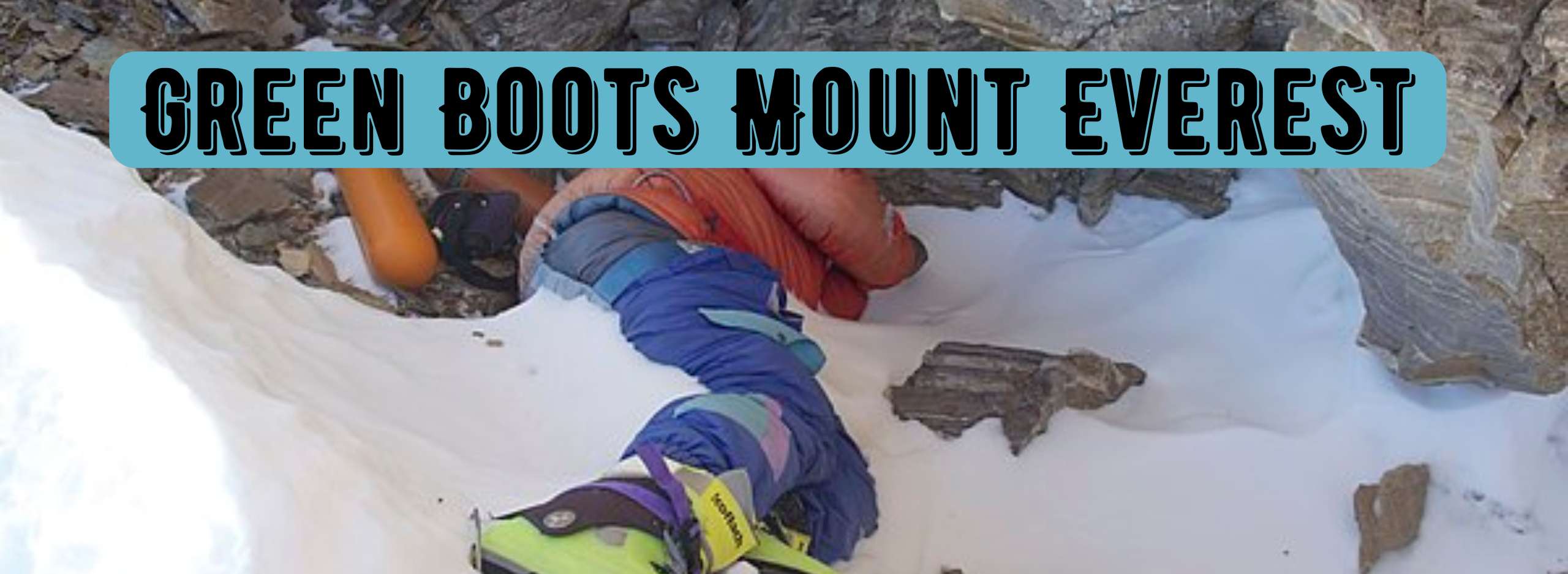
Green Boots is a famous landmark on Mount Everest. It is not a statue, a sign, or a building. It is actually the body of a climber who passed away on the mountain many years ago.
The climber is called Green Boots because he was wearing bright green boots when his body was found. His body is located near a small cave along the climbing route.
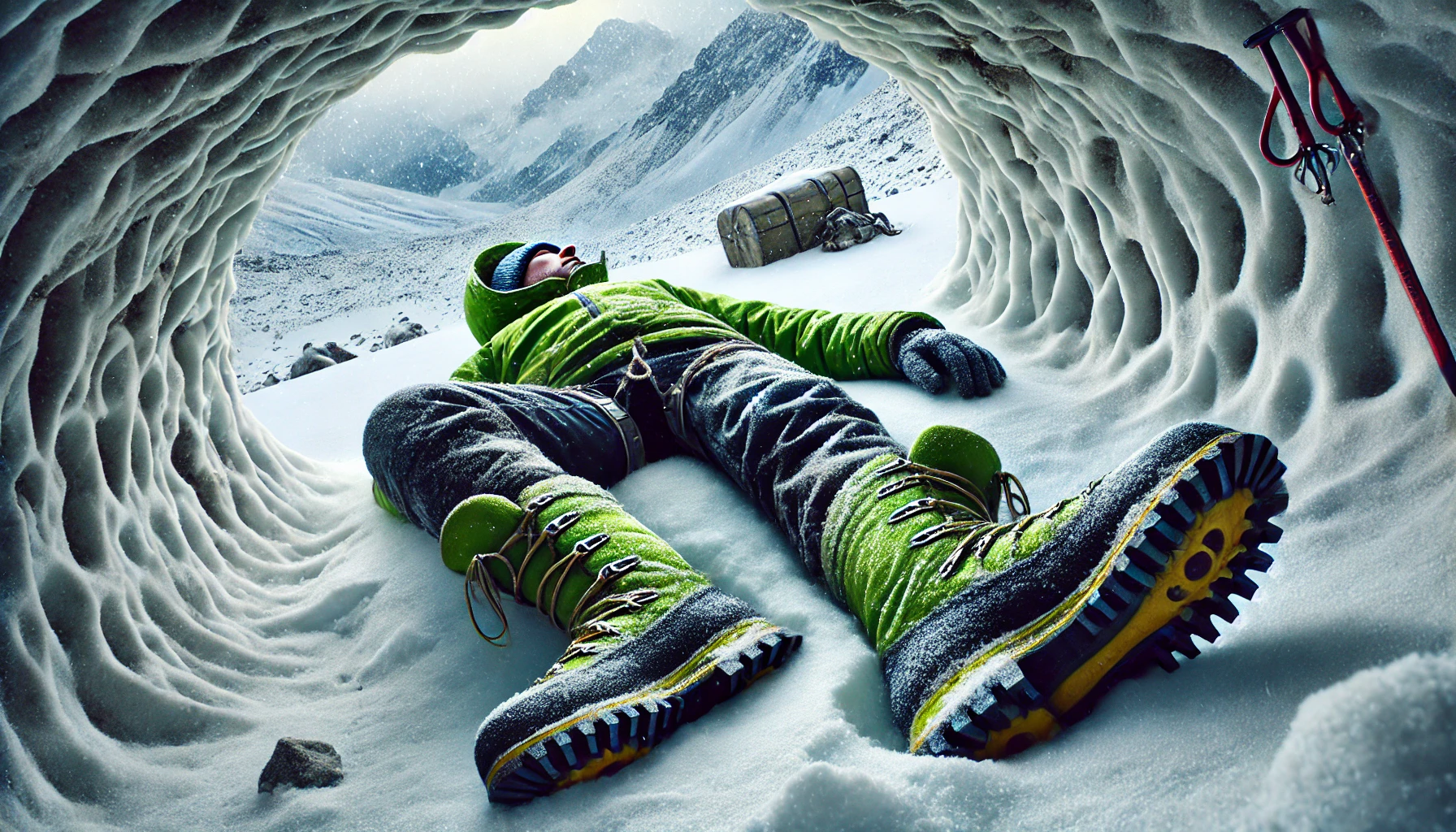
For more than 20 years, Green Boots has remained in the same spot. Thousands of climbers have seen him as they pass by on their way to the summit. His story is a sad reminder of how dangerous Mount Everest can be.
Who Was Green Boots?
Green Boots was a real person named Tsewang Paljor. He was from India and was part of a team of climbers who attempted to reach the top of Everest in 1996.
Paljor and his team were very excited and determined to make history. But, unfortunately, a terrible storm hit while they were climbing. The storm was too strong, and they could not return safely.
Tsewang Paljor was last seen near a small cave where he tried to take shelter from the storm. Sadly, he did not survive. His body remained there, still wearing the same green boots, and that’s how he got his famous name.
The Story of Green Boots
In 1996, Tsewang Paljor and his teammates started their climb with great hope. They wanted to be among the few people to reach the top of Everest.
At first, everything was going well. But then, a huge snowstorm arrived. The wind was extremely strong, and the temperature dropped very low. It became impossible to see because of the heavy snow.
Paljor and his team were stuck in the storm. Some tried to return, but others, including Paljor, got trapped near a small cave. He was last seen trying to survive in that cave, but the cold and lack of oxygen were too much.
Since then, his frozen body has remained there, reminding climbers of the dangers of Everest.
Why Do Bodies Stay on Everest?
When people pass away on Mount Everest, their bodies often stay there forever. But why?
First, Everest is extremely high. Carrying a body down from such a high altitude is almost impossible. Climbers are already tired, and the air is too thin to have the strength to carry extra weight.
Second, the weather is freezing cold, and the bodies get frozen solid. Once a body freezes, it becomes very heavy and stiff, making it even harder to move.
Lastly, the climbing path is very dangerous. There are steep cliffs, deep snow, and ice everywhere. Moving a body down safely would take a lot of people and a lot of energy. Because of this, most bodies are left on the mountain where they fell.
Today, there are more than 200 bodies on Everest. Some are hidden under snow, but many are still visible to climbers. These bodies act as silent warnings, showing how deadly Everest can be.
The Location of Green Boots
Green Boots is located on the northern side of Mount Everest, along the Northeast Ridge Route in Tibet.
There is a small rock cave on this route, about 8,500 meters (27,900 feet) above sea level. This cave is where many climbers stop to rest and catch their breath before making the final push to the top.
Green Boots is lying on his side inside this cave, as if he was trying to sleep. For many years, climbers used this spot as a landmark to know they were close to the summit.
However, in recent years, some people say that Green Boots is no longer visible. Some believe that his body was moved, while others think that it has been covered by snow and rocks.
How Did Green Boots Get His Name?
The name “Green Boots” comes from the bright green climbing boots that the climber was wearing when he passed away.
At first, nobody knew his real name. Climbers would pass by his body and simply call him “Green Boots” because his boots were so noticeable against the white snow.
Years later, people learned that he was Tsewang Paljor, an Indian climber from Ladakh, India. But by then, the name “Green Boots” had already become famous.
Even today, many people still call him Green Boots, and his story is one of the most well-known mysteries of Everest.
Are There Other Famous Bodies on Everest?
Yes, Green Boots is not the only climber who has remained on Everest. There are several other famous bodies that have been seen by climbers over the years.
One of them is “Sleeping Beauty”, a female climber named Francys Arsentiev. In 1998, she tried to reach the top of Everest but ran out of oxygen. Her husband tried to save her, but he also did not survive. Her body was found sitting on the snow, looking as if she was asleep.

Another famous case is “The Body on the Balcony”. This climber is seen near a high ledge close to the summit. He has been lying there for many years, and no one knows his real name.
Each of these climbers has a tragic story, and their bodies remind us of the dangers of Everest.
Why is Climbing Everest So Dangerous?
Mount Everest is one of the most dangerous places on Earth. Even strong and experienced climbers can face serious risks.
One big danger is the lack of oxygen. The higher you go, the thinner the air becomes. At the top of Everest, there is only one-third of the oxygen found at sea level. This makes it very hard to breathe, and climbers can get sick or weak.
Another danger is the extreme cold. The temperature can drop to -40°C (-40°F) or even lower. If climbers don’t stay warm, they can get frostbite, which can cause them to lose fingers or toes.
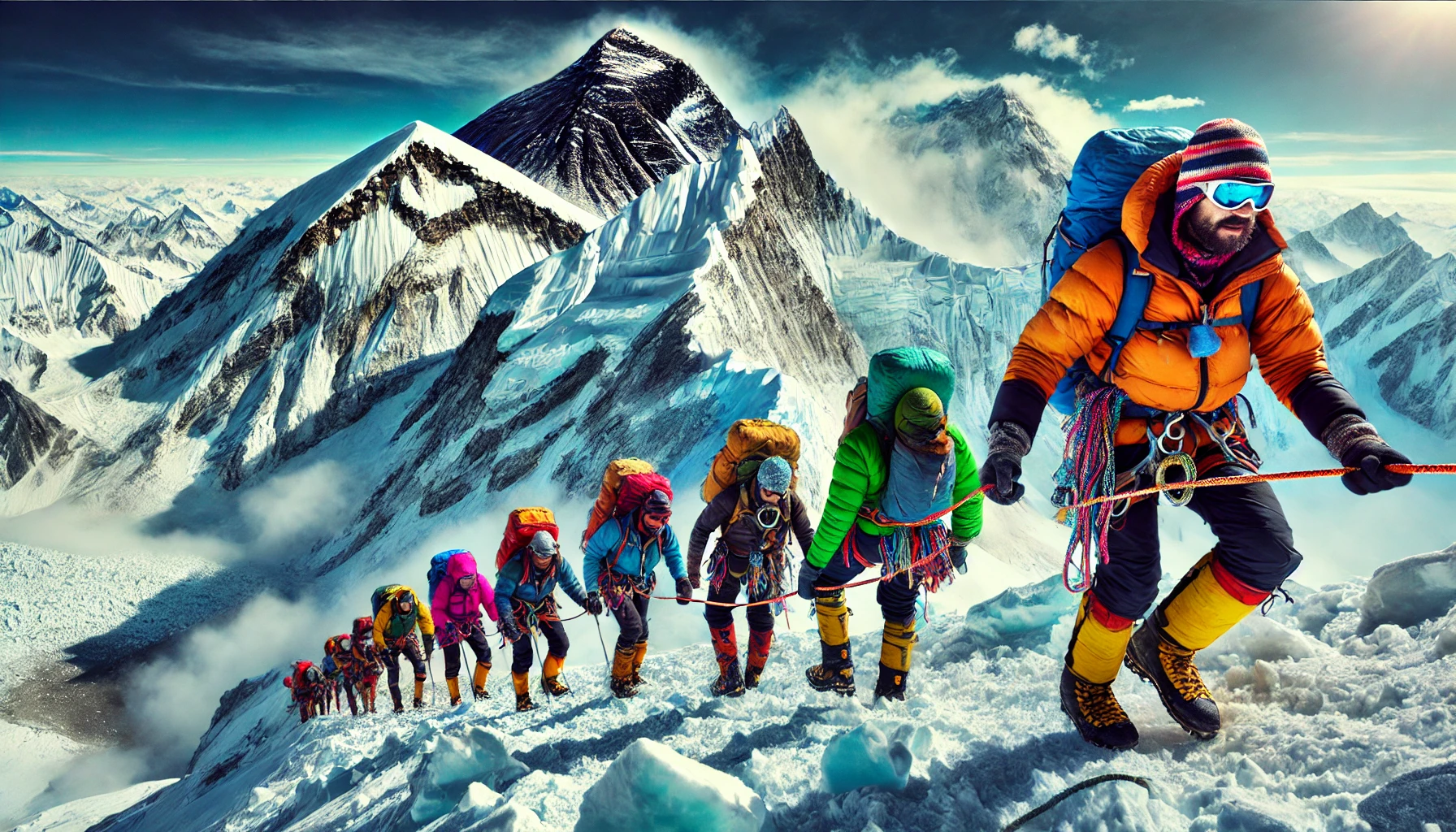
There are also avalanches, strong winds, and deep crevasses (big cracks in the ice). If a climber makes a wrong step, they could fall into a deadly ice hole.
Because of all these dangers, climbers must be very careful and well-prepared before attempting to climb Everest.
Why Do People Still Climb Everest?
Even though Everest is so dangerous, many people still try to climb it. But why? For some, it is a lifelong dream. They want to stand on top of the world and experience the incredible view from the highest place on Earth.
Others climb Everest for fame and records. They want to be the youngest, oldest, or fastest climber to reach the summit. Some people also climb to raise awareness for a cause, such as climate change or charity work.
There are also professional mountaineers who love adventure and challenge. For them, Everest is the ultimate test of skill, strength, and endurance.
Even with all the risks, the dream of conquering the highest mountain continues to inspire people from around the world.
What Equipment Do Climbers Use?
Climbers need special equipment to survive on Everest. Without it, reaching the top would be impossible.
First, they wear thick, warm clothes made for extreme cold. They wear layers, starting with a light inner layer and ending with a heavy insulated jacket. They also wear special boots that keep their feet warm and prevent frostbite. Their gloves, hats, and goggles help protect them from the cold wind and snow.
Climbers carry oxygen tanks because the air is too thin to breathe normally. They also have ice axes, ropes, and crampons (spikes for their boots) to help them climb safely. Without these tools, climbing Everest would be too dangerous and nearly impossible.
How Do Climbers Train for Everest?
Climbing Everest is not something you can do without preparation. It takes years of training to be ready.
First, climbers practice on smaller mountains before trying Everest. They climb mountains in Nepal, the Alps, or Alaska to build strength and experience. They also do intense physical training, such as long-distance running, weightlifting, and stair climbing. This helps them become stronger and improve endurance.
Most importantly, they train their lungs to handle low oxygen. Some climbers spend time at high-altitude camps to get used to the thin air before attempting Everest. Only the strongest and best-prepared climbers have a chance of reaching the summit safely.
What Are the Biggest Challenges Climbers Face?
Climbing Mount Everest is not just about walking up a mountain. It comes with many challenges that can make the journey extremely difficult.
One of the biggest challenges is the “Death Zone.” This is the area above 8,000 meters (26,247 feet) where the air is so thin that the human body slowly starts to shut down. Without enough oxygen, climbers feel dizzy, weak, and confused. Staying too long in this zone can be deadly.
Another major challenge is the unpredictable weather. Snowstorms can appear suddenly, making it hard to see and move. The strong winds can knock climbers off balance, and extreme cold can cause frostbite in just minutes.
Climbers also have to deal with exhaustion and dehydration. The journey takes weeks, and carrying food and water is difficult. Many climbers lose weight and become very weak before even reaching the top.
Even with the best preparation, Everest is still a huge challenge, and only the strongest and luckiest make it back safely.
What Is the Role of Sherpas?
Sherpas are the real heroes of Everest. They are a group of strong and skilled people from Nepal who help climbers reach the top.Sherpas have lived in the Himalayas for centuries, so their bodies are naturally used to high altitudes and low oxygen levels. This makes them perfect mountain guides.
Their job is very difficult. They carry heavy equipment, set up ropes and ladders, and guide climbers safely through dangerous paths. They also help rescue climbers if something goes wrong.
Without Sherpas, many people would not be able to climb Everest. They play a huge role in making expeditions successful, but sadly, many Sherpas have lost their lives while helping others.
Despite the dangers, Sherpas continue to work as brave guides, making Everest dreams possible for many climbers.
What Are Some Strange and Mysterious Stories About Everest?
Mount Everest is a big and scary place. Many climbers have said they saw strange things or heard mysterious sounds.
Some people say they saw shadows moving when no one was there. Others say they heard whispers in the wind, even though they were alone. Some climbers have even felt like someone was walking beside them, but when they looked, no one was there!
A long time ago, a man named Maurice Wilson tried to climb Everest all alone in 1934. But he never came back. Later, people found his body, but no one knows exactly how he died. Everest is a place full of secrets and mysteries, and some stories may never be explained.
What Lessons Can We Learn from Green Boots?
Green Boots’ story teaches us many important things.First, it shows us that Mount Everest is very dangerous. Even strong climbers can get in trouble if they are not careful.
Second, it teaches us that being prepared is very important. Climbers need warm clothes, food, oxygen, and the right training to survive. If they are not ready, they could get stuck in bad weather or run out of oxygen.
Finally, Green Boots reminds us to respect the mountain and those who have lost their lives. Every climber should remember the people who came before them and learn from their mistakes.
Can Everest Be Made Safer?
Everest is always going to be a risky place. But there are ways to make it safer. One way is to make sure only trained climbers go up. Some people try to climb without enough experience, which is very dangerous.
Another way is to have better weather reports. If climbers know about storms before they happen, they can stay safe. Finally, more rescue teams could help. If climbers get in trouble, they need quick help to survive.
Even with these changes, Everest will never be 100% safe. Climbers must always be careful and ready for anything.
Conclusion: The Legacy of Green Boots
Green Boots is a big part of Everest’s history. For many years, he has been a silent reminder of how hard and dangerous it is to climb the mountain. His story teaches lessons to new climbers and helps them be more careful.
Even though we don’t know his real name, he is not forgotten. He will always be a part of Everest, a story of adventure, danger, and bravery.