


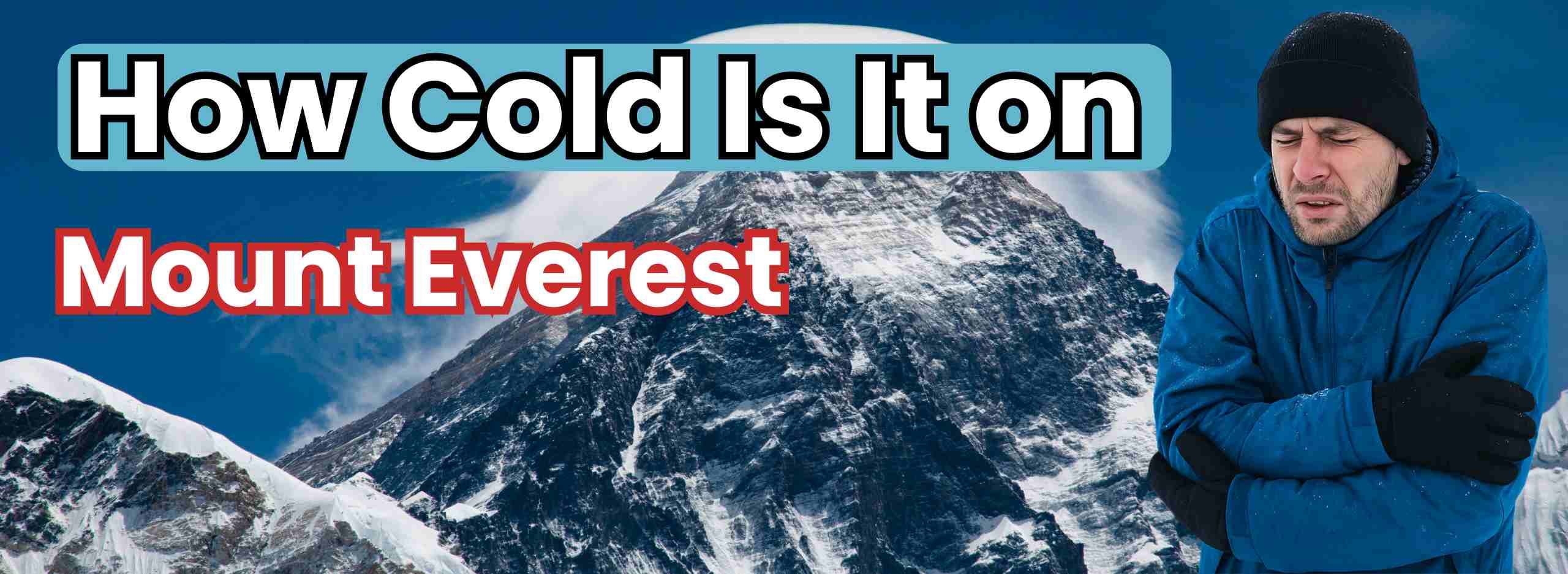
Mount Everest, the tallest mountain in the world, is not only famous for its height but also for its brutally cold temperatures. Every year, climbers and trekkers head to this iconic peak, often asking one vital question: how cold is it on Mount Everest? The answer depends on many factors including altitude, season, time of day, and even weather patterns. In this blog, we’ll walk you through everything you need to know about Everest’s cold climate—from base camp to summit—and what it means for those attempting to explore it.
Mount Everest Temperature Overview
Mount Everest’s temperatures are extreme and often unforgiving. The mountain’s elevation is the main reason behind its frigid climate. As you climb higher, the air becomes thinner and less capable of holding heat. Even during the “warmer” months, it can still feel bitterly cold due to the wind chill.
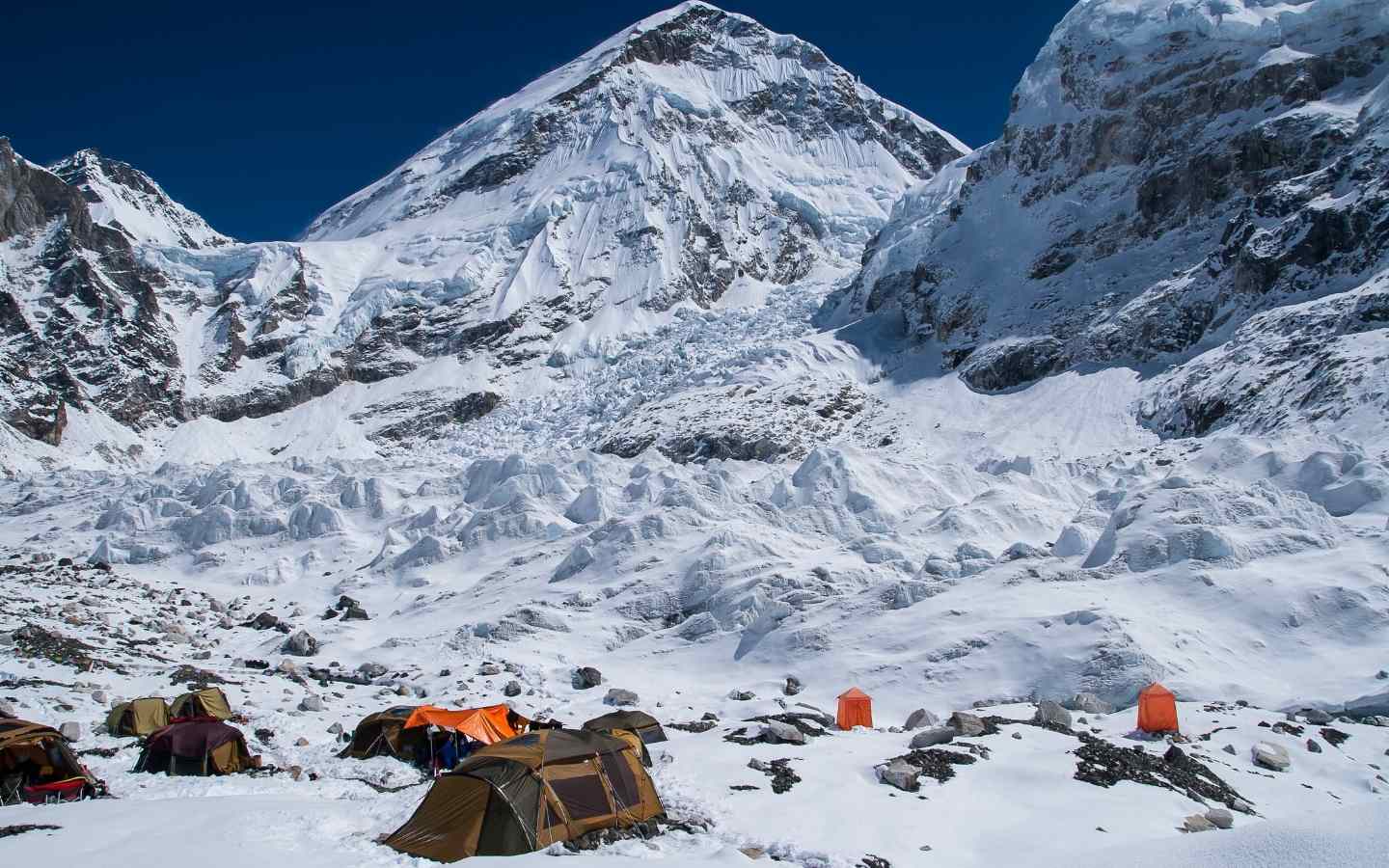
At the Everest Base Camp, located at around 5,364 meters (17,598 feet), daytime temperatures in the spring and autumn usually range between -5°C to 10°C (23°F to 50°F). At night, temperatures can drop below -15°C (5°F). Meanwhile, the summit sees much colder conditions. In the winter, temperatures at the top can plummet to -60°C (-76°F), while summer averages hover around -20°C (-4°F). The cold also increases the risk of frostbite and hypothermia, making the right gear and preparation essential. If you’re planning on Sleeping at Everest Base Camp Trek, you’ll need to be ready for freezing nights, even if the days seem sunny.
Despite its beauty, Everest’s climate is one of its biggest challenges. Whether you’re trekking to base camp or climbing to the summit, understanding just how cold it gets is the first step in staying safe and prepared.
How Cold Is It on Mount Everest?
Temperatures on Mount Everest vary drastically depending on your altitude and the time of year. While most people only experience the conditions at base camp, those aiming for the summit face a completely different level of cold.
At higher altitudes, the air is not only thinner but also much colder. On average, the summit temperature ranges between -20°C to -35°C (-4°F to -31°F) during the typical climbing seasons in spring and fall. However, it can feel much colder due to wind speeds that often exceed 100 mph (160 km/h), making the wind chill dangerously low. The cold is even more severe in the winter months, when summit temperatures can reach an incredible -60°C (-76°F). These conditions are nearly unlivable and extremely dangerous, which is why very few climbers attempt a winter ascent.
To handle such conditions, proper equipment is essential. You’ll need a Mt. Everest Expedition Recommended Gear List to ensure you have everything from thermal layers to down suits and specialized gloves. Without this gear, exposure to the cold can lead to frostbite within minutes. Understanding these cold extremes is key for anyone planning to step foot on Everest. Knowing what to expect can mean the difference between a successful journey and a serious medical emergency in the coldest place on Earth.
 15 Days
 Challenging
Mount Everest Temperature by Season
Seasons play a huge role in the temperatures you’ll experience on Mount Everest. Each season brings its own unique challenges, and understanding them is crucial for planning your trek or expedition.
Spring (April to May) is the most popular climbing season. The weather is relatively stable, and temperatures are more manageable. At base camp, you can expect daytime temperatures between -5°C to 10°C (23°F to 50°F), while summit temperatures usually stay around -20°C (-4°F).
Summer (June to August) brings the monsoon season. Although it’s warmer, the heavy rain and snow make it risky and unpleasant. Visibility is poor, and landslides and avalanches are more common. Summit temperatures range from -15°C to -25°C (5°F to -13°F), but high humidity and storm activity make climbing dangerous.
Autumn (September to November) is the second-best season for climbing. The weather is drier, and temperatures are similar to spring. This season is also ideal for Preparing for a Trekking Adventure in the Himalayas, with stable weather and fewer crowds.
Winter (December to February) is the coldest and least visited season. Summit temperatures can drop to -60°C (-76°F), and base camp can see -20°C (-4°F) or colder. Only the most experienced climbers attempt Everest in winter.
Choosing the right season can make your Everest experience much safer and more enjoyable, especially when considering the extreme temperature swings.
Everest Summit Temperature vs Base Camp Temperature
One of the most fascinating aspects of Mount Everest is how much temperatures differ between base camp and the summit. These two locations, separated by over 3,500 meters (11,500 feet) in elevation, experience drastically different weather.
At Everest Base Camp, which sits at 5,364 meters, the temperatures are cold but manageable with the right clothing and sleeping gear. In spring and autumn, daytime temperatures can hover around -5°C to 10°C (23°F to 50°F), while nights drop to about -15°C (5°F). It’s cold, but trekkers can adapt easily with insulated tents and warm meals.
However, at the summit of Mount Everest (8,848.86 meters), temperatures are much more extreme. It is one of the coldest places on Earth, where the average temperature in spring is around -30°C (-22°F) and drops even lower in winter. The thin atmosphere and strong winds create a deadly environment where frostbite and hypothermia are constant threats.
The difference in temperature isn’t just numbers—it affects survival. Many tragedies on Everest happen because climbers underestimate how rapidly the weather can change near the summit. Some of these tragic stories, like The Sleeping Beauty of Mount Everest, remind us how quickly danger can escalate in such conditions. Understanding this temperature gap helps trekkers and climbers plan more effectively, knowing what gear is required at each stage of the journey.
How Wind Chill Affects Climbers on Everest
When we talk about how cold Mount Everest is, we often focus on the actual temperature. But what many people don’t realize is that wind chill can make the cold feel much more intense—and dangerous. Wind chill refers to how the wind makes the air feel colder than it really is. On Everest, wind speeds can reach over 160 km/h (100 mph), especially near the summit. When the air is already -30°C, high winds can make it feel like -50°C or worse.
This intensified cold from wind chill is one of the top reasons climbers suffer from frostbite and hypothermia. Even if climbers are properly dressed, exposed skin or poorly insulated gear can lead to severe cold injuries within minutes. This is especially dangerous in the so-called “Death Zone” above 8,000 meters, where oxygen is scarce and every movement takes effort.
A haunting reminder of Everest’s deadly conditions is the body known as “ Green Boots Mount Everest.” This well-known landmark lies just below the summit and is believed to be a climber who died from exposure and exhaustion, his body preserved for decades due to the freezing temperatures and wind chill. Wind chill isn’t just uncomfortable—it can be life-threatening. That’s why understanding its effect and preparing with proper gear is absolutely essential for anyone attempting to climb or trek near Everest’s upper altitudes.
Dangers of Cold on Everest: Frostbite, Hypothermia & Altitude
The freezing temperatures on Mount Everest aren’t just uncomfortable—they’re extremely dangerous. Prolonged exposure can lead to frostbite, hypothermia, and complications from altitude sickness.
Frostbite occurs when skin and underlying tissue freeze. It usually affects extremities like fingers, toes, ears, and the nose. In Everest’s conditions, it can develop in just minutes, especially if gloves or boots are removed, even briefly. Severe frostbite can lead to permanent damage or amputation.
Hypothermia is another serious risk. When your body loses heat faster than it can produce, core temperature drops, affecting brain function, heart rhythm, and motor skills. Early signs include shivering, slurred speech, and confusion. If not treated quickly, hypothermia can be fatal. These risks are amplified by high altitudes, where oxygen levels are low. The body’s reduced efficiency makes it harder to stay warm, heal wounds, or think clearly. When you’re already fighting to breathe, even mild cold can become deadly.
It’s crucial to have contingency plans in place. Many trekkers ask, What Happens if You Get Sick on Everest Base Camp Trek? The answer often includes helicopter evacuations, oxygen support, and immediate descent.Carrying proper gear, moving slowly, and staying hydrated are your best defenses. But more than anything, respecting the cold and knowing your limits can save your life.
How to Prepare for the Cold on Everest
Preparing for Everest’s cold involves more than just packing warm clothes. It requires strategy, experience, and knowledge about how the body reacts in freezing temperatures.
First, invest in high-quality gear. That means thermal base layers, down jackets, waterproof shells, and high-altitude boots. Gloves, face masks, and goggles are also essential to protect exposed skin. Many climbers rely on heated insoles and hand warmers to stay functional during summit pushes. Second, train your body. Cold tolerance improves with experience. Spending time in cold-weather environments before your trek helps you adapt. You’ll also need to increase cardiovascular endurance — cold combined with thin air puts tremendous stress on the heart and lungs.
Third, understand how to layer. Dressing in layers allows you to adjust your clothing to avoid sweating (which can freeze) or overheating (which can dehydrate you). Learn to read your body and act quickly if you feel too cold or too warm. Lastly, mental readiness is key. You’ll need patience, resilience, and the ability to stay calm under pressure. These skills help you push forward when conditions become tough — and they will.
Before setting off, consider reading guides like 10 Tips for the Everest Base Camp Trek to help structure your gear list, health prep, and mental mindset. With proper planning, you’ll not only survive Everest’s cold — you’ll thrive in it.
What Is the Temperature at Night on Everest?
Nighttime on Mount Everest brings a level of cold that few places on Earth can match. As the sun sets, the temperature plummets quickly. At Everest Base Camp, the temperature can fall to around -20°C to -25°C (-4°F to -13°F). Higher up the mountain, such as at Camp IV or the summit, nighttime temperatures can plunge to an unimaginable -60°C (-76°F) or even lower. The combination of altitude, wind, and lack of insulation from the sun creates brutal conditions.
For trekkers and climbers, nights are especially challenging. Those staying in tents must rely heavily on high-quality sleeping bags, insulated mats, and multiple layers of thermal clothing. Even minimal exposure during the night—like stepping out for a bathroom break—can be dangerous without proper protection.
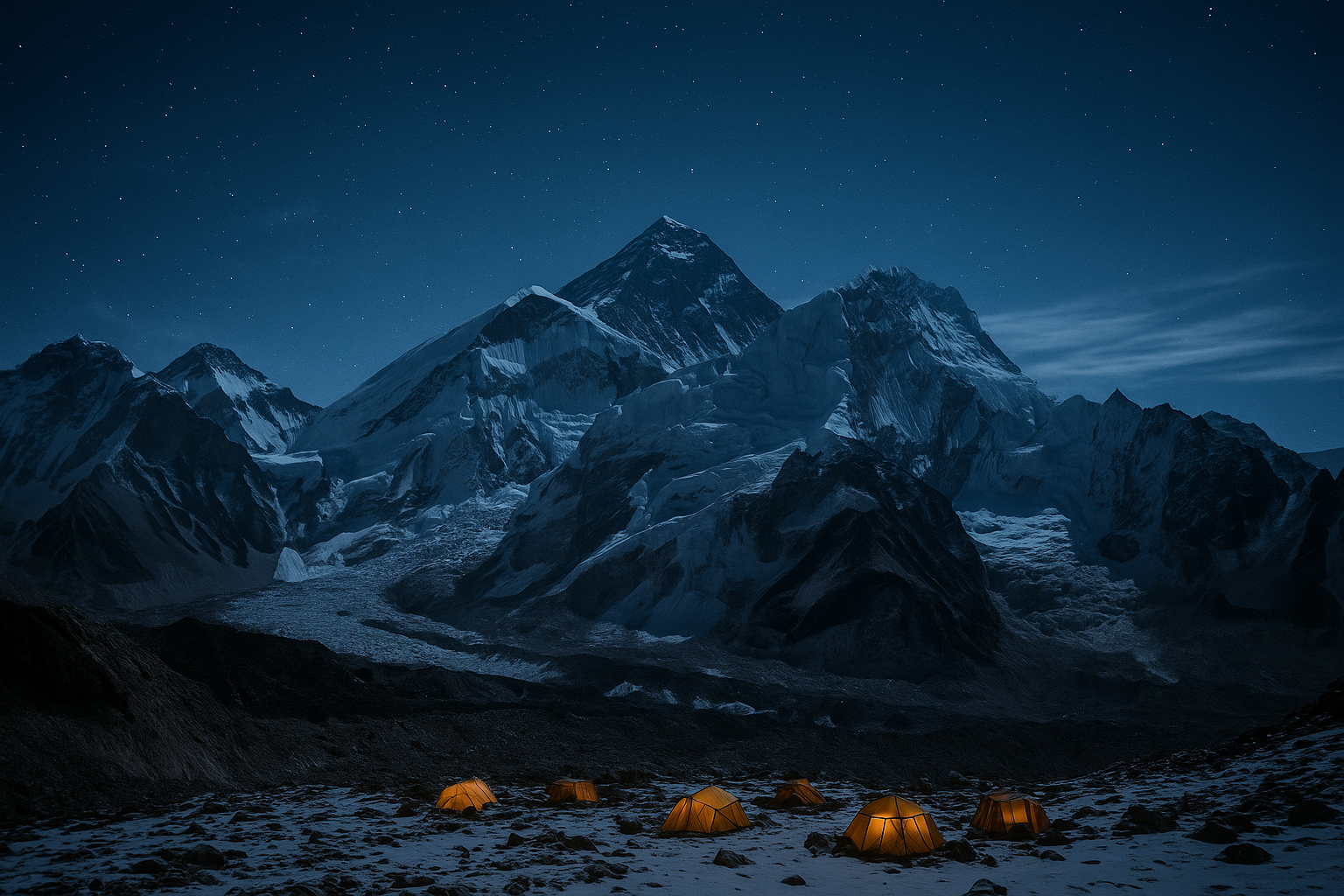
One of the coldest moments many trekkers experience is the pre-dawn climb to Kala Patthar Mount Everest View Point. Known for its jaw-dropping sunrise view of Everest, the ascent begins in the pitch-dark cold of early morning. Wind chill can make already freezing temperatures feel far worse, often below -30°C (-22°F). Many trekkers partner with local companies like Glorious Eco Trek to ensure safe and well-supported journeys, as local expertise becomes invaluable when facing such extreme conditions.
To survive the nights, preparation is everything. Knowing what to expect and having the right gear makes the difference between a challenging but rewarding adventure and a dangerous ordeal.
 13 Days
Difficult
13 Days
Difficult
How Climbers Survive the Freezing Temperatures on Everest
Surviving the bitter cold of Mount Everest is not just about mental strength—it’s about having the right strategy, physical conditioning, and, most importantly, gear. Temperatures can fall dangerously low, particularly in the Death Zone (above 8,000 meters), where oxygen is scarce and the human body slowly begins to deteriorate.
The use of insulated down suits, layered thermal clothing, oxygen tanks, and extreme weather boots is crucial. Without these, frostbite and hypothermia are very real risks. Staying warm is not just about comfort—it’s about survival. One must also manage moisture carefully; sweating in the cold can be deadly, as wet clothes freeze quickly and increase the risk of hypothermia.
Another critical part of the preparation involves having the Protective Gear for Death Zone Everest demands. This includes windproof outer layers, heated gloves, balaclavas, and goggles to protect against snow blindness. High-altitude tents, special sleeping systems, and portable heaters are used during overnight camps to retain body heat.
Climbers often go through weeks of acclimatization, gradually moving between camps and returning to lower elevations to help their bodies adjust. Hydration and calorie-rich diets also play a role in keeping the body functioning in such an environment.
Perhaps the most awe-inspiring thing is that despite all the challenges, climbers are still able to reach the summit—and in some cases, they’ve captured breathtaking photos of Mount Everest from Space, a reminder of how small we are in comparison to nature’s giants.
Mount Everest is one of the coldest and most unforgiving places on Earth. From the freezing nights at base camp to the bone-chilling summit temperatures, surviving Everest’s climate takes serious preparation, mental strength, and respect for nature’s extremes. Whether you’re trekking to a viewpoint or attempting the summit, understanding the mountain’s temperature and wind conditions is crucial. With the right planning, gear, and awareness, adventurers can safely experience the majestic beauty of Everest—while staying warm enough to tell the tale.