

Mount Everest isn’t just the highest mountain on Earth—it’s also one of the most expensive adventures you can undertake. The cost can vary wildly depending on factors like route, gear, guides, and insurance. In this blog, we will discover how Expensive Is It to Climb Mount Everest. We’ll break down every part of the expenses in bite-sized sections—so you know what you’re getting into.
Keep reading to understand what makes the total cost soar—and whether it’s truly worth it. Along the way, internal link keywords will help you dive deeper into related topics, making this blog not just informative, but also a valuable hub for Everest enthusiasts.
Everest Climb Cost in 2025: What You Need to Know
Climbing Everest in 2025 will likely cost between $40,000 and $100,000 per person, with most guided expeditions falling into the $55,000–$75,000 range. Price variations depend on the company’s reputation, whether it’s a full-service or budget outfit, and the number of climbers in the group. Luxury packages with extra Sherpa support, private tents at camps, and exclusive services boost the cost up to $100K.
Seasonal timing also matters. Climbing during the main spring window tends to be pricier than late-season or early-season alternatives. Regulations, permit caps, and inflation all affect final costs. You may find “budget” trips advertised for under $50K, but those generally offer basic services and minimal safety backup. Meanwhile, high-end operators may include extras like fixed-wing flights to base camp, top chefs, and heated dining tents.
Comparing 2025 to previous years, prices have risen by about 10–15% due to increased logistics, climate-related route changes, and stricter government policies. For serious climbers, investing in proven outfitters helps ensure safety and smoother logistics. At the same time, group size matters—a smaller group often equals higher per‑person cost, while larger groups share fixed costs.
Mount Everest Climbing Permit Price
One of the biggest fixed costs when climbing Everest is the government permit. For climbers entering through Nepal, the permit costs $11,000 per person during the spring climbing season. This fee includes base camp, higher camps, and highest summit access. In Tibet, expect around $8,000–$10,000, but additional costs like visa fees, liaison officer charges, and service fees can raise it near Nepal’s level.
Permit fees are paid directly to the government and are non‑refundable—even if you don’t reach the summit. Additional costs may include waste management deposits and environmental levies. If your expedition is delayed or canceled due to weather or safety concerns, you’ll usually lose the permit fee or have to reapply in the next season.
Nepali regulations may also require a minimum number of climbers per group and adherence to high‑standard safety protocols, which some operators avoid—but then might charge you extra for compliance. If you opt for a small or solo permit, the permit price remains the same, but your expedition fees may go up because costs are shared among fewer people.
Whether you go with a budget operator or a luxury outfitter, expect the same permit fee, but what you get for it differs. Some packages include liaison officer accompaniment, environmental monitoring, and governmental coordination—while cheaper ones might just pay the fee and leave it at that. That’s why it’s essential to check what’s included.
Guided Expedition vs. Independent Climb: What’s Cheaper?
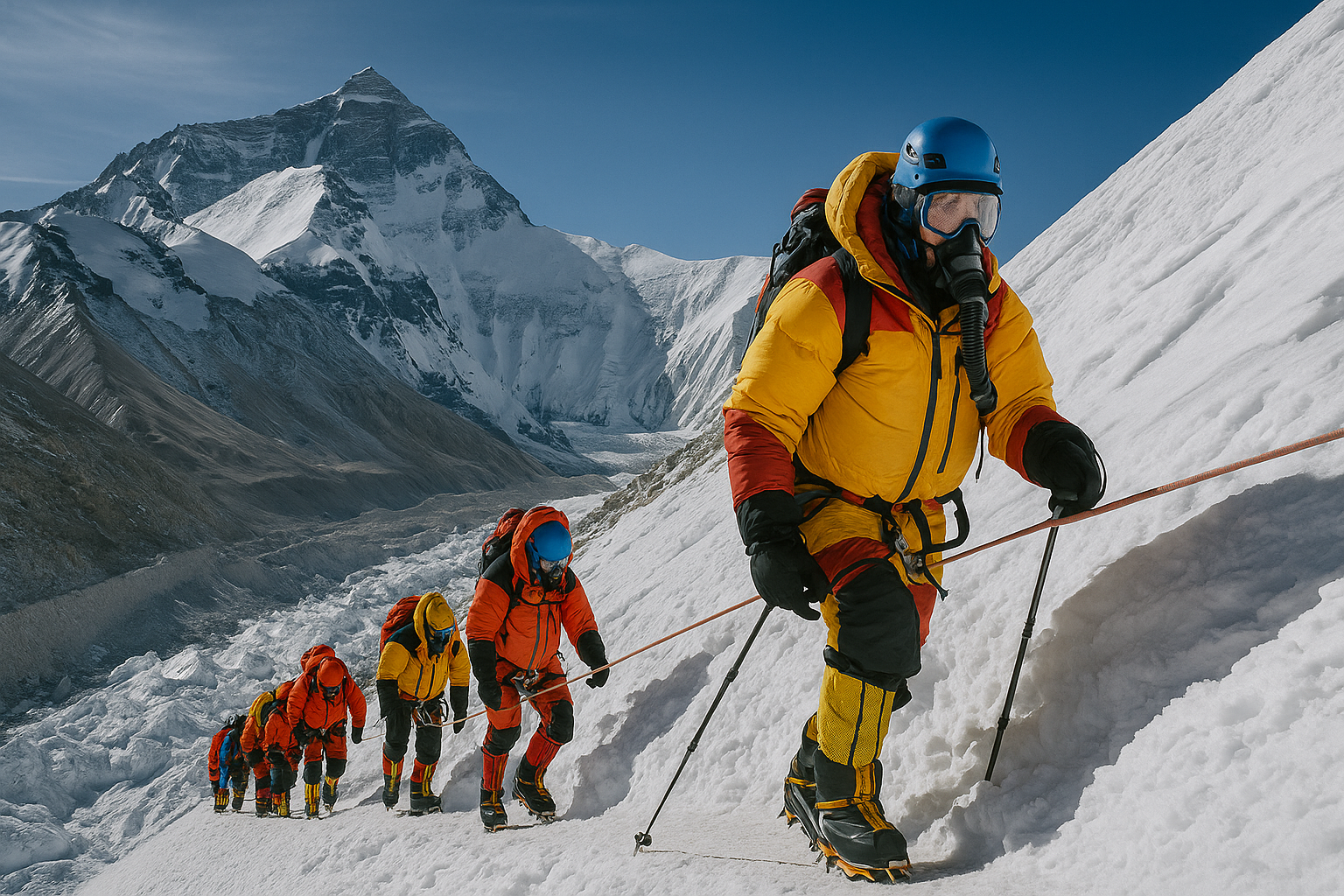
A fully guided Everest expedition will typically include everything—from permits and Sherpas to oxygen and meals. The convenience of a guided trip comes at a premium: around $60,000–$80,000 per climber. These cover logistics, route preparation, fixed‑rope setting, emergency support, climbing guides, and often satellite phones. With a trusted outfitter, you don’t worry about details like finding quality cooking tents or local permits.
On the flip side, an independent climb may seem cheaper at first glance—some gear, permits, and services might add up to $30,000–$50,000. You book your own permits, recruit Sherpas or support staff, and manage transport, meals, and communications. But that DIY approach quickly adds tasks and hidden costs. For instance, hiring Sherpas individually, renting radio gear, or purchasing bottled oxygen separately often ends up costing more and requiring more coordination.
However, some experienced mountaineers prefer the independence and cost transparency. DIY climbers need strong Himalayan logistics networks and must be very self‑sufficient. That typically means higher risk and more planning. With a guide-led trip, a lot of negotiation and planning work is already done—though you’ll pay for that convenience and the operator’s markup.
 19 Days
 Easy
Easy
Cost of Climbing Gear for Everest
Climbing Everest requires top-tier gear, and it can add up fast. Expect to spend anywhere from $8,000 to $15,000 on gear alone—though much can be rented in Kathmandu. Items include big-wall down suits, mountaineering boots, double tents, stoves, ropes, and sleeping bags that handle -40°C.
Many climbers travel light and rent in Nepal. For example, you can rent oxygen masks, tanks, down suits, boots, and harnesses at base camp. This cuts upfront costs to around $4,000–$6,000 total. But renting comes with risks—damage fees, hygiene concerns, and sizing issues. If you prefer brand-new gear, allocate more for transport and checking extra luggage.
An important link here: seasoned trekkers may check out the Mt. Everest Expedition Recommended Gear List before purchase. This list includes rating gear by weight, insulation value, manufacturer reliability, and even color schemes that help identify team members at high altitude. Preparing early gives you time to test items in cold weather and find sales or discounts.
Consider semi-custom gear: lighter backpacking packs or layered insulation systems tailored to you, even if they cost more. Fit and comfort can be the difference between success and frostbite. Whether you rent or buy, quality counts—and is a big part of the Everest budget.
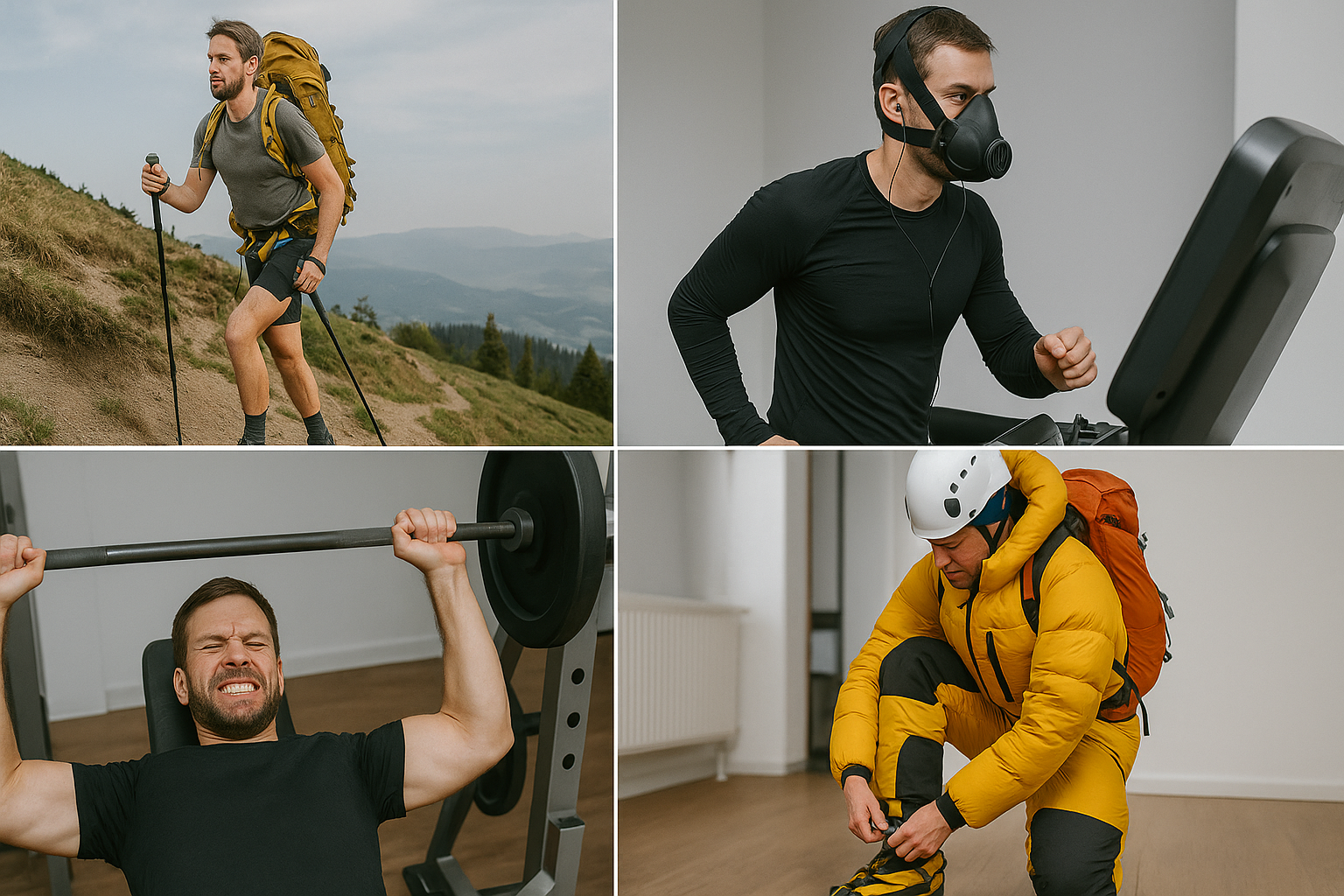
Serious training is non-negotiable. Depending on your starting fitness level, training costs can range from $2,000 to $10,000. That includes gym access, personal training, altitude simulation, and technical climbs. Many climbers do pre-Everest trips, like summiting smaller peaks in the Himalayas or the Andes, to test gear and acclimatization—these shorter expeditions cost $5,000–$15,000 each.
You might invest in ice‑climbing courses, crevasse rescue techniques, and high‑altitude first aid certification. Such specialized training might cost $1,000–$3,000, depending on location and length. Domestic options in Nepal, Europe, or Colorado tend to be more affordable than alpine courses in Switzerland or Alaska.
Additionally, altitude tents and hypoxic training systems are becoming popular. Renting or purchasing one can cost $1,500–$3,000, but they simulate Everest-like low oxygen, improving respiratory efficiency. Fitness gear, GPS navigation practice, and trekking simulations also add up.
Many climbers join guided multi-week training camps near altitude before attempting Everest. These camps allow you to meet fellow climbers, share tips, and refine skills. Whether you’re heading to Chamonix or Everest Base Camp, invest in training—it not only helps physically but also mentally prepares you for the challenge.
How Much Do Sherpas and Guides Cost?
Sherpa and guide support is critical—and typically the second-largest expense after permits. Hiring an experienced Sherpa for the full climb can cost $15,000–$25,000 per person. This fee covers their transport, insurance, food, and the Sherpa’s own support team. Many climbers go with 2–3 Sherpas assigned per climber during summit push—doubling the cost.
Guide fees are separate from Sherpa fees. A skilled Western climbing guide may cost $8,000–$12,000 for the expedition. Premium companies include a team of guides, while cheaper ones may limit staff and rescue backup. You also need to budget for tipping: Sherpas typically receive 10–20% of their base wage, which increases if they summit successfully or work especially hard in tough weather.
It’s vital to pick fair, ethical companies that ensure Sherpas have insurance, a living wage, and proper kit. In recent years, Sherpa fatalities have led to better working conditions—but not every outfit honors this. Always ask about accident insurance, compensation policies, and whether Sherpas get a full rest day at Base Camp.
Without Sherpa support, you’re navigating a dangerous mountain with little margin for error. Their load‑carrying, rope‑fixing, route‑clearing, and summit lead expertise vastly improve safety. In Everest cost breakdowns, strong Sherpa support often distinguishes successful and safe summit bids from risky ones.
Travel and Insurance Costs for Everest Climbers
To reach Everest, international flights vary depending on origin. From Kathmandu, flights could cost $1,000–$2,500 round-trip. Add domestic flights to Lukla or a helicopter to Base Camp—also $400–$1,000 extra. Accommodation in Kathmandu before and after the climb can range from $30–$200 per night, depending on quality and location.
Insurance is critical—and can’t be skimped. Comprehensive coverage including high-altitude rescue, helicopter evacuation, trip cancellation, and medical is essential. Expect to pay $1,000–$2,500 for a single expedition policy. Companies offering high altitude mountaineering coverage cost more than general travel insurance. Be sure to check coverage limits—summit-grade rescues can exceed $50,000.
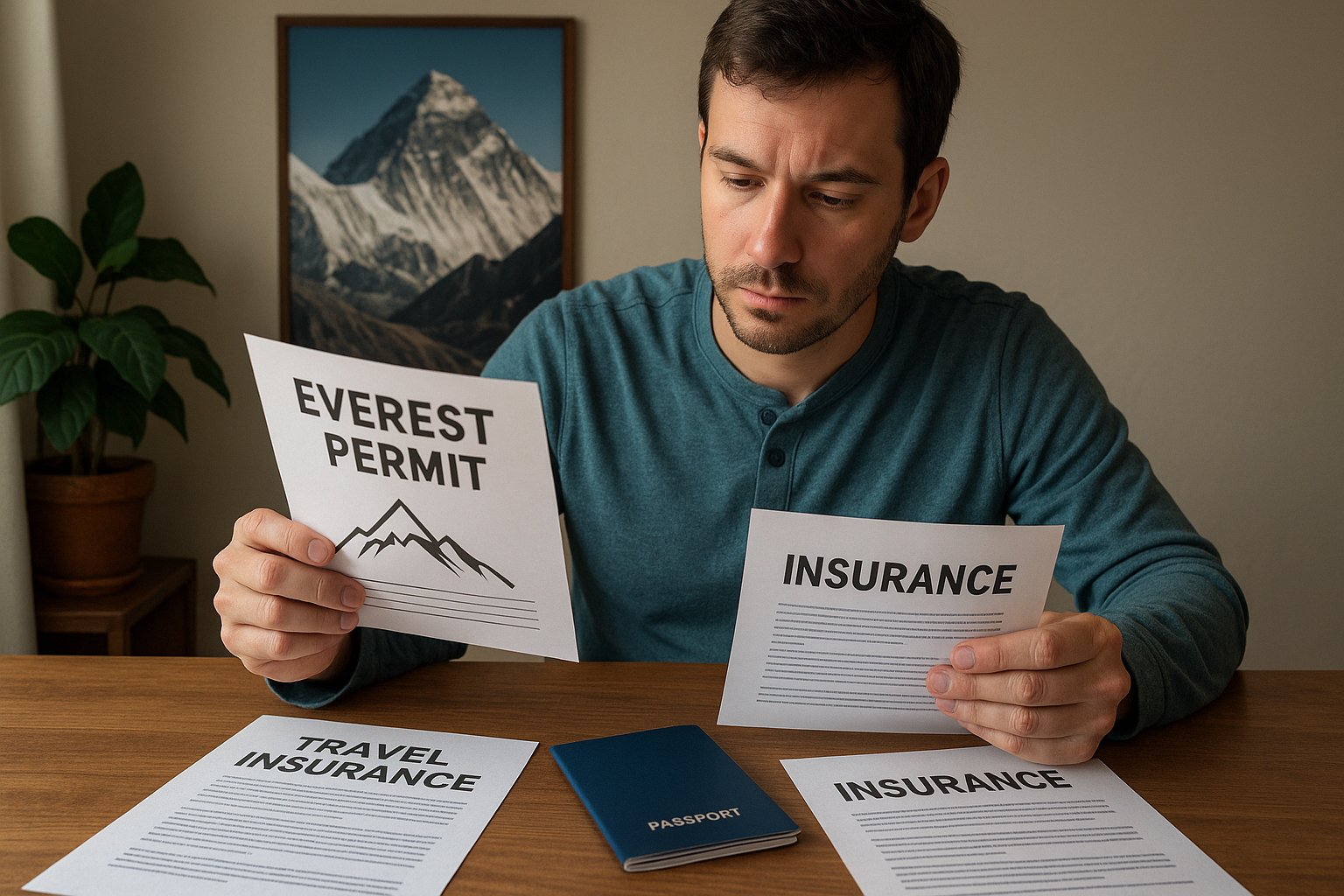
Vietnamese climbers, for example, often supplement personal insurance with Nepali insurance to cover porters and support staff. While some might ask, “Body at the Top of Mount Everest?” and grimly wonder about retrieval costs—in extreme cases, retrieval isn’t possible or is prohibitively expensive. That means climbers sometimes leave bodies behind to avoid endangering others. The costs, logistics, and ethics of retrieval can span $30,000–$70,000.
Transportation, visa fees (about $50–$125), gear shipping, and pre-expedition meetings all add onto travel and insurance costs. Though it might feel like the smaller expense, missing even a key service could derail the whole expedition—so it pays to be thorough.
 15 Days
Challenging
15 Days
Challenging
Hidden Costs of Climbing Mount Everest
Beyond the main expenses, several hidden costs can catch climbers off guard. Satellite phone and data rentals for communication can run $500–$1,000 per trip. Bottled oxygen beyond the included cylinders—plus regulator extras—can total $1,500–$3,000, depending on summit use.
Internet access at Base Camp, charging stations, and heated tents may look minor—until they climb to $1,000 or more. Garbage deposits or environmental fees imposed by the Nepali government or expedition companies might be non‑refundable at around $500–$1,000.
One of the Biggest Cause of Death on Mount Everest is suddenly bad weather or human error during descent. Getting stuck due to weather delays can cost days of additional food, oxygen, guide fees, and lodging. A day stuck at Camp 2 could cost $500–$1,000 for extra support.
Additionally, there are extra costs for emergency situations: rescue helis, medical supplies, or unexpected delays. It’s wise to budget a 10–15% contingency on top of planned costs. Many climbers set aside $5,000–$10,000 emergency funds—a lifesaver if summit rotation gets interrupted.
Is Climbing Mount Everest Worth the Price?
So—after spending up to $100,000, climbing Everest, is it worth it? Many climbers say yes. The views atop are unmatched, and the personal achievement is life‑changing. For some, it’s a lifelong dream, a ultimate test of grit, physical strength, and mental endurance.
Reflecting on the journey, climbers speak of “the sleeping beauty of Mount Everest”—not a fairytale, but a living vision of nature’s raw power and beauty. And yes, Sleeping at Everest Base Camp Trek may not sound glamorous—but lying under the stars at 5,300 m next to creaking seracs is a memory for a lifetime.
Of course, the risk is real. The question How Long Can You Survive in the Death Zone on Everest isn’t academic—it’s essential. Above 8,000 m, you begin to break down physically. Most climbers limit summit time to 30–60 minutes. If delays happen, high altitude deteriorates strength fast, increasing accident risk.
Bottom line: climbing Everest is expensive—financially, physically, emotionally. But for those who prepare well, respect the mountain, and support their team, the payoff can last forever. If you’re asking “mount Everest from space”—not literal, but perspective‑wise, you feel small against nature’s grand stage.
Final Thoughts
Climbing Mount Everest is one of the most expensive—and most challenging—adventures on the planet. From the $11,000 permit to high-end insurance, Sherpa support, gear, and hidden expenses, a full expedition can add up to $60,000–$100,000+.
But for some, that price tag is worth it. It’s not just a climb; it’s a life‑defining moment. If you prepare well, invest in quality support, and accept the risks, Everest becomes more than a mountain—it becomes a story that changes you forever.