


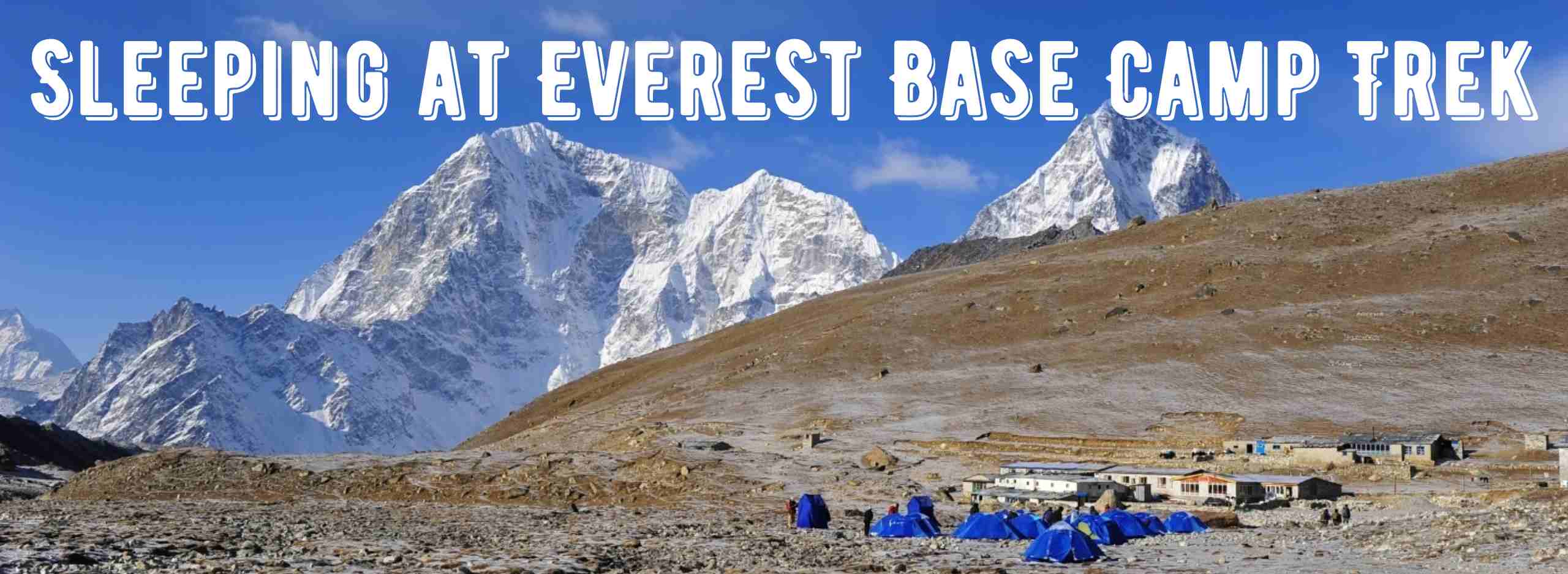
Everest Base Camp Trek is one of the most famous trekking journeys in the world. It takes you to the base of Mount Everest, the highest mountain on Earth, offering breathtaking views and a chance to experience Sherpa culture.
The Everest Base Camp Trek is a 12 to 14-day journey in Nepal. Trekkers walk through forests, cross rivers, and pass stunning landscapes.

 14 Days
 Challenging
US$ 1390
Why is sleeping at Everest Base Camp special?
Sleeping at Everest Base Camp is rare but possible on special trips. At night, the sky is full of stars, and the giant mountains surround you in silence.
The cold air and the sound of shifting ice make it an unforgettable adventure. It gives you the true feeling of being a mountaineer.
Who can do this trek?
Anyone with good fitness can do this trek. No climbing experience is needed, but training and preparation help. If you can walk for hours and handle high altitudes, you can complete this amazing journey.
Where is Everest Base Camp?
Everest Base Camp is in Nepal. It is in the Himalayas, the highest mountain range in the world.
This base camp is on the southern side of Mount Everest. It is inside a protected area called Sagarmatha National Park.
Many trekkers start their journey from a place called Lukla, a small town with an airport. From there, they walk for several days to reach Everest Base Camp.
Location of Everest Base Camp
Everest Base Camp is in the eastern part of Nepal. It is in a region called the Khumbu Valley.
This area is home to the Sherpa people, who are known for their climbing skills. Many climbers and trekkers visit this place every year.
The base camp is on a rocky, icy ground near the Khumbu Glacier. There are no roads to this place, so you have to walk to get there.
How high is it? (5,364 meters)
Everest Base Camp is 5,364 meters (17,598 feet) above sea level. That is very high!
At this height, the air is thin, and there is less oxygen. Some people may find it harder to breathe. Because of this, trekkers take their time to go up slowly. This helps their bodies adjust to the high altitude.
Why do trekkers go there?
Trekkers go to Everest Base Camp for adventure. It is one of the most famous trekking routes in the world.
They also go for the amazing views. Along the way, they see big mountains, deep valleys, and beautiful landscapes.
Some people go to challenge themselves. Walking to such a high place is not easy, but it gives a great feeling of achievement.
Others go to learn about the Sherpa culture. They visit local villages, see Buddhist monasteries, and meet friendly people on the way.
Reaching Everest Base Camp is a special moment for many travelers. It is a once-in-a-lifetime experience!
How to Reach Everest Base Camp?
To reach Everest Base Camp, you need to take a flight and then trek for several days. There are no roads, so walking is the only way.
The journey starts from Kathmandu, the capital of Nepal. From there, you take a flight to a small town called Lukla. After that, you begin your trek towards Everest Base Camp.
Flight from Kathmandu to Lukla
The first step is to take a short flight from Kathmandu to Lukla.
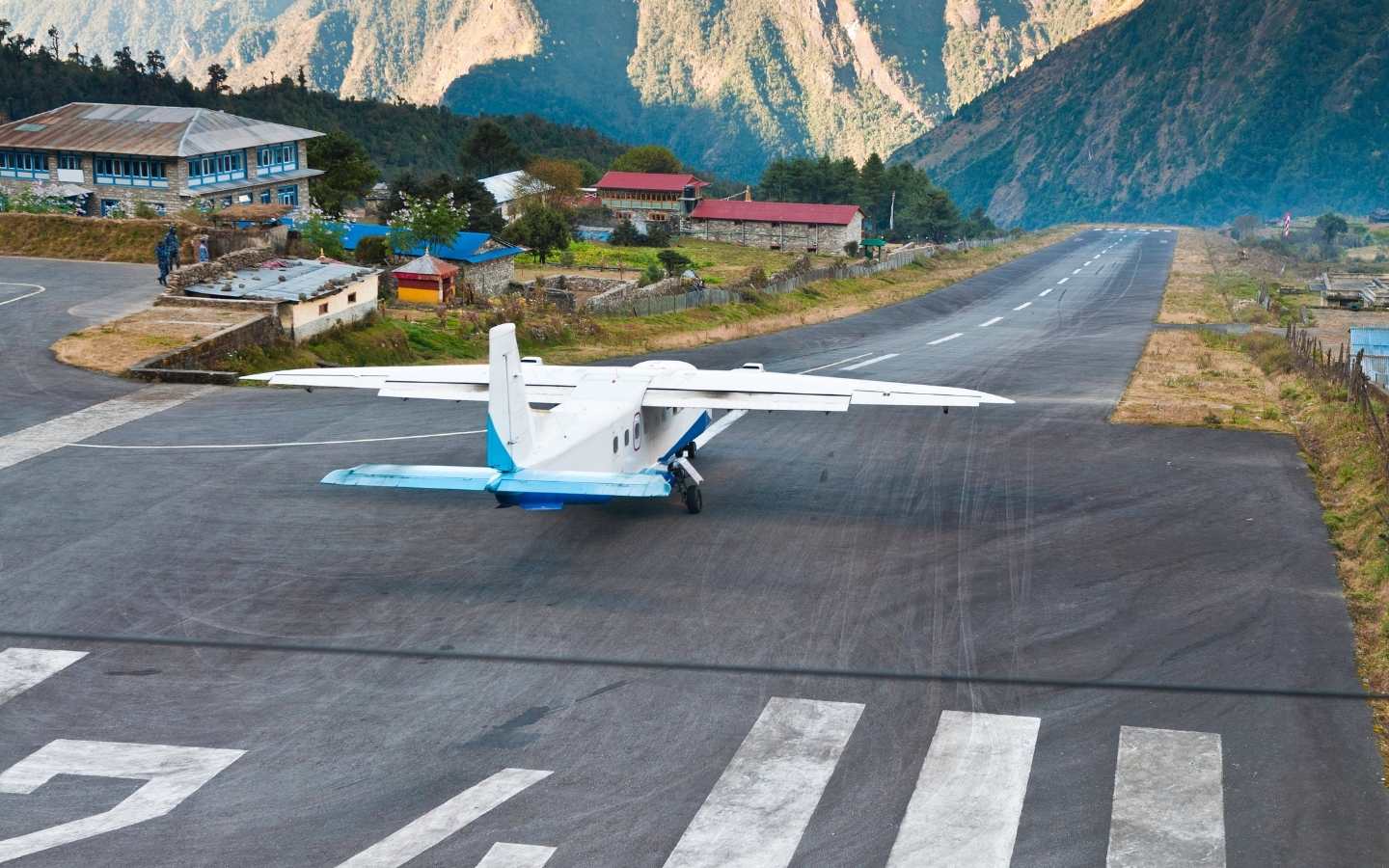
Lukla has a small airport on a mountain. The flight takes about 30 to 40 minutes. It is known as one of the most exciting flights in the world because of its short runway and amazing views.
After landing in Lukla, you start walking towards Everest Base Camp. Lukla is the gateway to the Khumbu region, where the trek begins.
Trekking through Namche Bazaar, Tengboche, and Gorak Shep
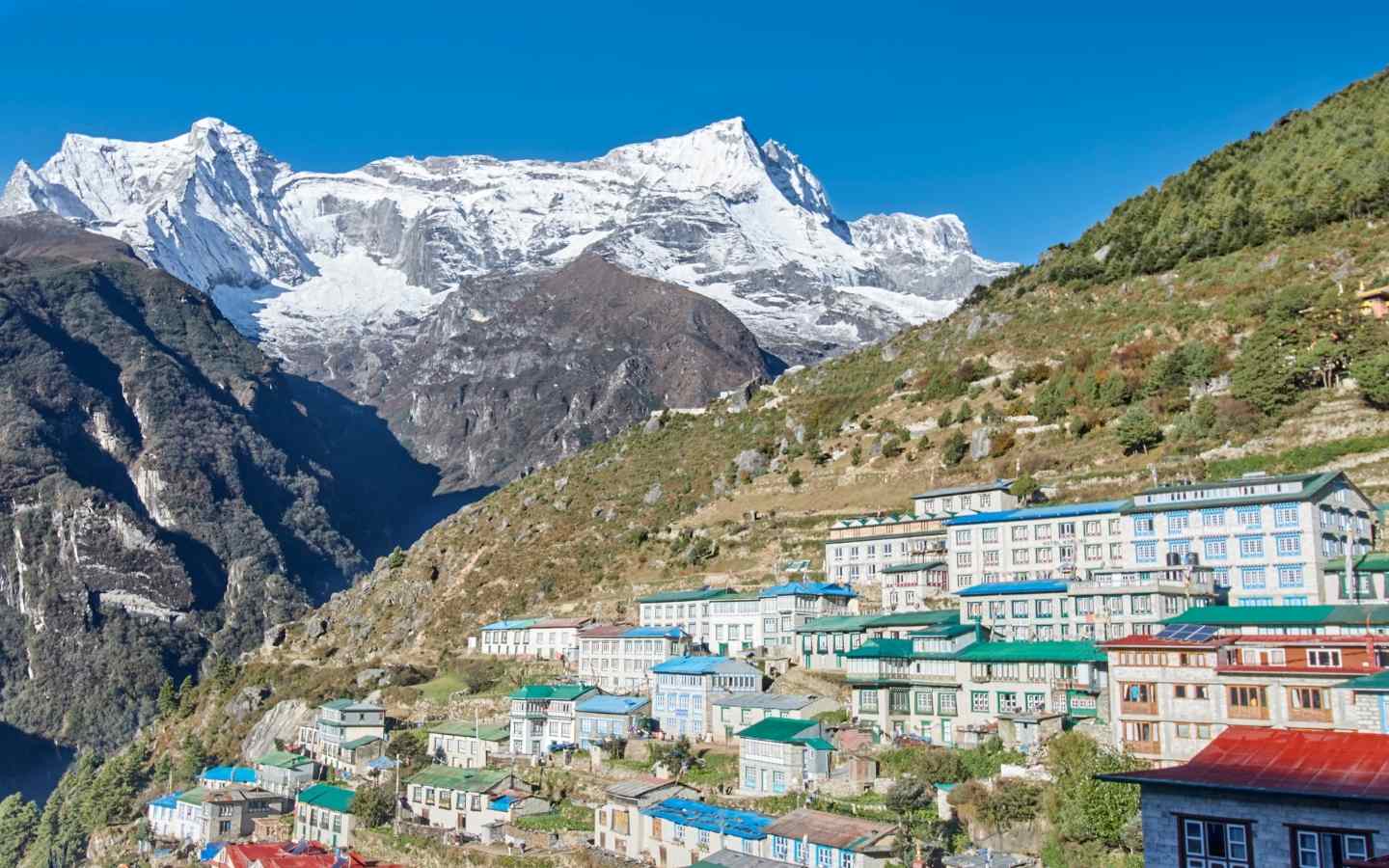
The trek goes through beautiful villages like Namche Bazaar, Tengboche, and Gorak Shep.
Namche Bazaar is the biggest village in the region. It is a popular stop where trekkers rest and adjust to the high altitude. You can find shops, cafes, and stunning views of Mount Everest from here.
Tengboche is famous for its monastery. It is one of the highest Buddhist monasteries in Nepal. Many trekkers stop here to enjoy the peaceful atmosphere and see the amazing mountains.
Gorak Shep is the last stop before Everest Base Camp. It is a small place with a few lodges where trekkers rest before making their final hike.
Final Hike to Everest Base Camp
The last part of the journey is the hike from Gorak Shep to Everest Base Camp.
This hike is not very long, but it is challenging because of the high altitude. The trail goes over rocky and icy paths.
After a few hours of walking, you finally reach Everest Base Camp. Here, you can see colorful tents of climbers who are preparing to climb Mount Everest.
Standing at Everest Base Camp is a special moment. You are surrounded by some of the highest mountains in the world. It is a place of adventure, beauty, and achievement!
Sleeping at Everest Base Camp – A Unique Experience
Sleeping at Everest Base Camp is not something that all trekkers do. Most trekkers visit the base camp during the day and return to a lower altitude to sleep.
However, some special trekking trips allow you to stay overnight at the base camp. It is a rare and unforgettable experience.
Why do some trekkers sleep at Everest Base Camp?
Trekkers sleep at Everest Base Camp for adventure. It is not just about reaching the base camp—it is about spending a night in one of the highest and most remote places in the world.
Some trekkers want to feel like real mountaineers. Climbers who attempt to reach the top of Mount Everest stay here for weeks. Spending a night at base camp gives a small taste of that experience.
Others do it for the challenge. Sleeping at such a high altitude is not easy, but it is a once-in-a-lifetime experience that few people get to enjoy.
How does it feel to sleep at such a high altitude?
Sleeping at Everest Base Camp is very different from sleeping at lower altitudes. The air is thin, which makes breathing harder. Some people may feel a little dizzy or get headaches because of the altitude.
The temperature is very cold, especially at night. You have to sleep in a warm sleeping bag inside a tent. The cold air, mixed with the sound of the wind, makes it feel like a true mountain adventure.
Even though it is challenging, it is also exciting. Waking up at the base of the world’s highest mountain is an unforgettable feeling.
The beauty of the night sky and mountains
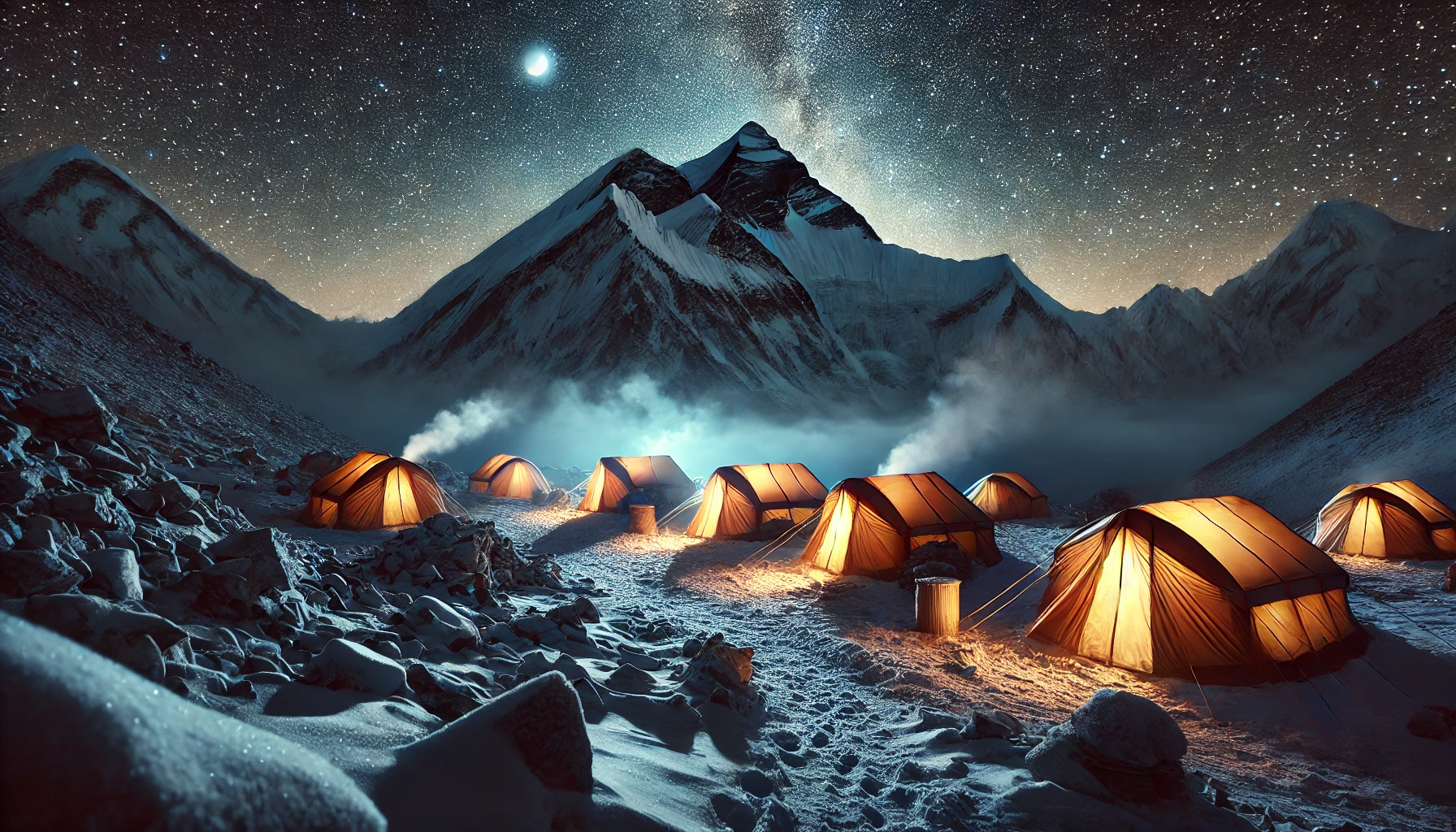
One of the best parts of sleeping at Everest Base Camp is the night sky. The sky is full of bright stars because there is no city light to block the view.
The mountains around the base camp look magical in the moonlight. They stand tall and silent, creating a peaceful and powerful atmosphere.
In the early morning, you wake up to see the golden sunrise over Everest and other peaks. It is a view that stays in your memory forever.
Sleeping at Everest Base Camp is not just about resting—it is about experiencing the beauty and power of the Himalayas in a way that few people ever do.
Best Time to Sleep at Everest Base Camp
The best time to sleep at Everest Base Camp is when the weather is good. You need clear skies, not too much cold, and safe trekking conditions.
The most popular seasons are spring and autumn. These months have the best weather for trekking and camping at base camp.
Spring (March to May)
Spring is one of the best times for the Everest Base Camp trek. The weather is warmer compared to winter, and the skies are usually clear.
During this time, the trails are full of blooming rhododendron flowers. The colorful flowers make the trek more beautiful.
Many climbers also stay at base camp in spring, preparing to climb Mount Everest. This makes it a great time to see the busy mountaineering life at base camp.
Autumn (September to November)
Autumn is another great season for trekking to Everest Base Camp. The weather is cool, and the skies are clear.
This season offers some of the best views of the mountains. The air is fresh, and there is less rain or snowfall.
Many trekkers prefer autumn because the trails are dry and safe. Sleeping at base camp during this season is a comfortable and enjoyable experience.
Avoiding extreme cold in winter
Winter in Everest Base Camp is very cold. From December to February, temperatures drop to extreme levels, especially at night.
Sleeping at base camp during winter is difficult because of the freezing temperatures and heavy snowfall. It can be dangerous for those who are not well-prepared.
If you want to enjoy sleeping at Everest Base Camp, it is best to avoid winter and choose spring or autumn for a safer and more comfortable experience.
Where Do You Sleep at Everest Base Camp?
At Everest Base Camp, there are no hotels or lodges. Trekkers who sleep there stay in tents.
Sleeping in a tent at base camp is a unique experience. It is different from sleeping in a teahouse during the trek.
Sleeping in a tent
Trekkers sleep in tents at Everest Base Camp. These tents are set up on rocky and icy ground.
The tents are strong and made to protect against cold winds and snow. Inside, there is a sleeping bag and a mat to keep warm.
Even though it is simple, sleeping in a tent at base camp feels like a real adventure. It gives the feeling of being close to nature and the mountains.
Basic facilities available
Facilities at Everest Base Camp are very basic. There are no permanent buildings or luxury services.
There are simple toilets, usually in separate tents or small huts. Water is limited, so there are no showers or running taps.
Trekkers bring their own food or eat at the kitchen tents set up by trekking companies. Hot drinks like tea and soup help to stay warm in the cold weather.
Staying warm in freezing temperatures
Nights at Everest Base Camp are extremely cold. Temperatures can drop below freezing, even in the best trekking seasons.
To stay warm, trekkers use thick sleeping bags designed for extreme cold. They also wear warm clothes, including thermal layers, jackets, and gloves.
Drinking warm liquids and eating enough food also help to keep the body warm. Some trekkers use heat packs or extra blankets inside their sleeping bags.
Sleeping at Everest Base Camp is not just about resting. It is about experiencing the beauty and challenge of the high mountains in a special way!
How Cold is It at Night?
At Everest Base Camp, nights are very cold. The temperature can drop below freezing, even in the best trekking seasons.
During winter, it gets even colder. The temperature can fall to extreme levels, making it difficult to stay warm.
Temperature can go below -10°C (14°F)
At night, the temperature at Everest Base Camp can go below -10°C (14°F). Sometimes, it gets even colder, especially in winter.
The air is thin, and there are strong winds. This makes it feel even colder than the actual temperature.
In the early morning, before sunrise, the cold is at its worst. Everything outside the tent, including water bottles, can freeze.
How to prepare for the cold
To stay warm, trekkers need to wear proper clothing. Layering is important. A thermal base layer, fleece, and a thick down jacket help to trap body heat.
A good sleeping bag is also necessary. It should be designed for extreme cold, at least for temperatures as low as -20°C (-4°F).
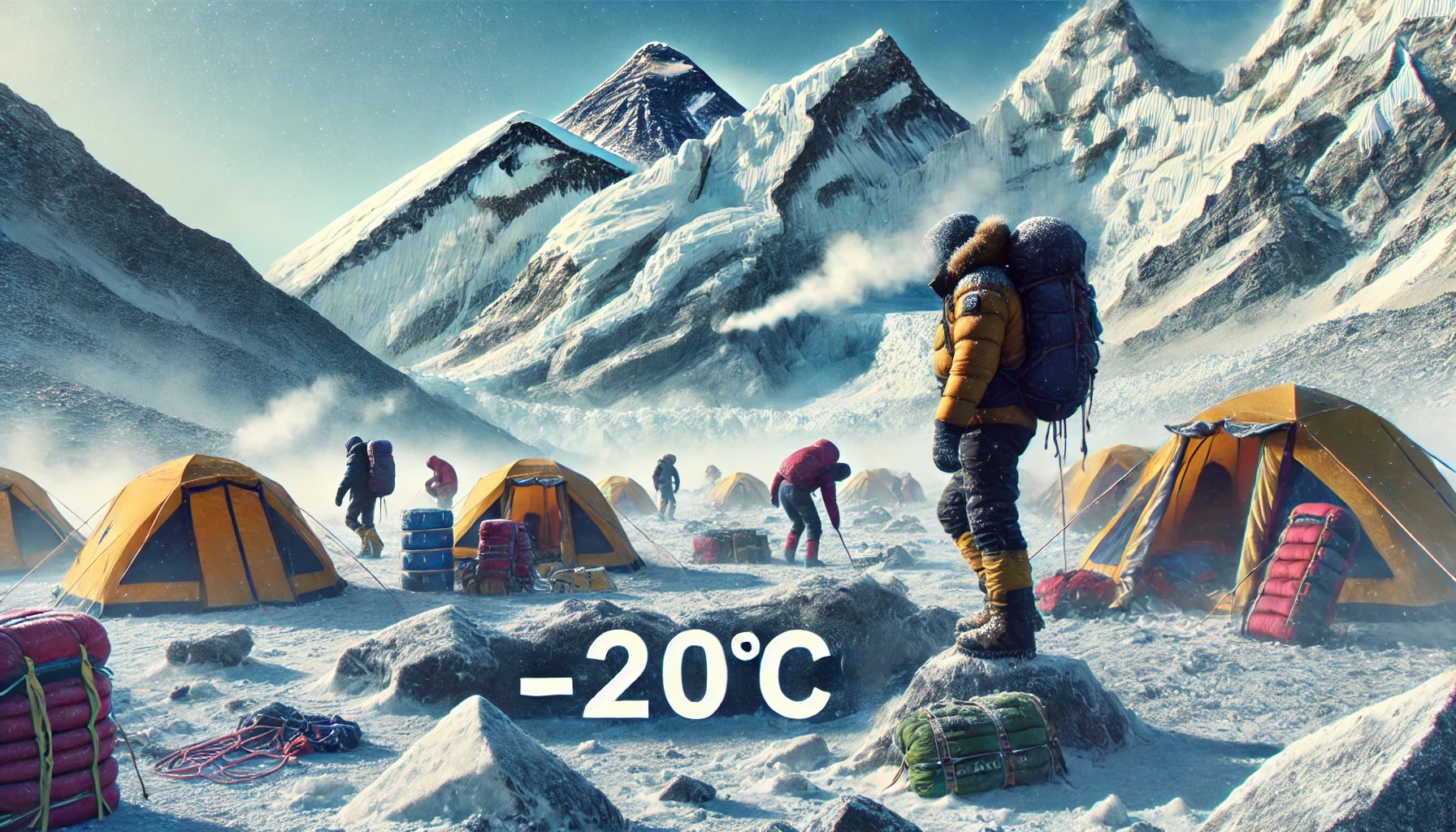
Drinking warm liquids and eating enough food help the body stay warm. Some trekkers also use heat packs inside their sleeping bags for extra warmth.
Staying warm at Everest Base Camp is a challenge, but with the right preparation, it is possible to sleep comfortably even in freezing temperatures.
What to Pack for Sleeping at Everest Base Camp?
Sleeping at Everest Base Camp requires special gear. The temperature is very cold, and there are no heated rooms.
Packing the right items will help you stay warm and comfortable at night.
Warm sleeping bags (-20°C rating)
A warm sleeping bag is the most important thing to pack. Nights at base camp are freezing, and a good sleeping bag will keep you warm.
The sleeping bag should have a rating of at least -20°C (-4°F). This means it is designed to handle very cold temperatures.
Down sleeping bags are the best because they are warm and lightweight. Some trekkers also use a sleeping bag liner for extra warmth.
Thermal clothes, gloves, and socks
Wearing the right clothes is key to staying warm at night. Thermal base layers help to trap body heat.
A fleece or down jacket adds more warmth. Thick gloves and warm socks are also necessary because hands and feet get cold quickly.
A woolen hat or balaclava is useful for covering the head and face while sleeping. Keeping your head warm helps keep your whole body warm.
Headlamp for night visibility
There is no electricity at Everest Base Camp, so you need a headlamp to see at night.
A headlamp is better than a flashlight because it keeps your hands free. This is useful when moving around the campsite or inside the tent.
It is also helpful for early morning hikes when it is still dark. Make sure to bring extra batteries, as the cold can drain battery life quickly.
Packing these essential items will help make your night at Everest Base Camp warmer, safer, and more comfortable!
Food and Drinks at Everest Base Camp
At Everest Base Camp, food options are simple but enough to keep trekkers warm and energized. Since there are no restaurants, all meals are prepared in tented kitchens by trekking teams.
Eating well and staying hydrated is very important at this high altitude. The right food and drinks help you feel strong and avoid altitude sickness.
What kind of food is available?
The food at Everest Base Camp is basic but nutritious. Trekkers eat meals like rice, pasta, potatoes, lentil soup, and vegetables. These foods provide energy for the cold and high altitude.
There are also simple snacks like biscuits, nuts, and energy bars. Some trekking teams even prepare pancakes or porridge for breakfast.
Meat is not common because it is hard to store at high altitudes. Most meals are vegetarian to keep them fresh and safe to eat.
Importance of staying hydrated
Drinking enough water is very important at Everest Base Camp. The high altitude makes people lose water faster, and dehydration can cause headaches and tiredness.
Trekkers should drink at least 3 to 4 liters of water every day. Water is boiled before drinking, or trekkers use water purification tablets.
It is best to avoid alcohol because it can make altitude sickness worse and cause dehydration
Hot drinks like tea and soup
Hot drinks are a great way to stay warm and hydrated. Tea is very popular, especially ginger tea, which helps with altitude sickness.
Trekkers also drink black tea, green tea, and herbal tea. Some enjoy hot chocolate or coffee for extra warmth.
Soup is another important part of meals at Everest Base Camp. Hot vegetable soup, garlic soup, or lentil soup helps keep the body warm in freezing temperatures.
Eating warm food and drinking hot liquids make the cold nights at Everest Base Camp much more comfortable!
Altitude Sickness and Sleeping at EBC
Sleeping at Everest Base Camp (EBC) can be challenging because of the high altitude. The air is thin, and oxygen levels are low.
Some trekkers experience altitude sickness, which can make sleeping difficult. Understanding it and knowing how to manage it is important.
What is altitude sickness?
Altitude sickness happens when the body struggles to adjust to high elevations. It is common above 2,500 meters (8,200 feet).
Everest Base Camp is at 5,364 meters (17,598 feet), where the air has much less oxygen. This can make breathing harder and cause discomfort.
Symptoms to watch out for
Mild altitude sickness symptoms include headaches, dizziness, nausea, and trouble sleeping. Some trekkers also feel very tired or lose their appetite.
Severe altitude sickness can cause confusion, difficulty walking, and fluid buildup in the lungs. If symptoms get worse, it is important to descend to a lower altitude quickly.
How to prevent and manage it
The best way to prevent altitude sickness is to go slowly. Trekking to EBC should include rest days for the body to adjust.
Drinking plenty of water and avoiding alcohol helps keep the body hydrated. Eating light but high-energy meals also helps.
Some trekkers take medicine like Diamox to reduce symptoms. Sleeping with the head slightly raised can also make breathing easier.
If symptoms become serious, the best solution is to descend to a lower altitude and rest.
By taking the right precautions, most trekkers can sleep safely and enjoy their night at Everest Base Camp!
Is It Safe to Sleep at Everest Base Camp?
Yes, it is generally safe to sleep at Everest Base Camp, but trekkers need to be well-prepared. The high altitude and freezing temperatures can make it challenging.
Taking the right safety precautions helps ensure a comfortable and secure experience.
Safety precautions
Trekkers should acclimatize properly before reaching Everest Base Camp. This means taking rest days at lower altitudes, drinking plenty of water, and eating enough food.
Wearing warm clothes and using a high-quality sleeping bag (-20°C rating) is important for staying warm at night.
It is also good to monitor the body for signs of altitude sickness. If symptoms like headaches, dizziness, or nausea become severe, it is best to descend.
Emergency rescue options
If a trekker faces serious altitude sickness or any medical emergency, rescue options are available.
Helicopter evacuations can be arranged, but they are expensive. It is recommended to have travel insurance that covers high-altitude rescue.
Trekkers can also descend on foot with the help of a guide or porter if symptoms are mild but persistent.
Trekking with a guide for extra safety
Trekking with a professional guide makes the journey safer. Guides have experience in handling altitude sickness and other emergencies.
They also help with route navigation, arranging food and accommodation, and giving useful advice for staying safe at high altitudes.
Sleeping at Everest Base Camp is an incredible experience, and by following safety measures, trekkers can enjoy it without major risks!
The View from Everest Base Camp at Night
The night view from Everest Base Camp is truly magical. The sky is filled with countless stars, and the mountains shine under the moonlight.
It is a peaceful and unforgettable experience, far away from the noise of the world.
Snow-covered peaks under the stars
At night, the giant mountains around Everest Base Camp look even more stunning. The snow-covered peaks glow softly under the bright stars.
The air is cold and crisp, and everything feels calm and quiet. Looking at the Milky Way stretching across the sky is an incredible sight.
Seeing Mount Everest from the base camp
From Everest Base Camp, trekkers can see parts of Mount Everest. The summit itself is not fully visible from here, but the surrounding peaks make the view breathtaking.
Under the night sky, the mountain looks even more mysterious and powerful. The sight of Everest in the moonlight is something trekkers never forget.
Feeling close to nature
Sleeping at Everest Base Camp gives a deep feeling of connection to nature. There are no city lights, no sounds of traffic—just the mountains, the sky, and the cold fresh air.
Lying inside a tent, listening to the wind and looking at the endless stars, makes trekkers feel small yet part of something much bigger.
It is a once-in-a-lifetime experience that leaves a lasting memory!
How Sleeping at Everest Base Camp Feels
Sleeping at Everest Base Camp is a unique experience. It is not like sleeping anywhere else in the world.
The high altitude, cold temperatures, and peaceful surroundings make it an unforgettable night.
Breathing in thin air
At Everest Base Camp, the air is very thin. There is less oxygen, so breathing feels different.
Some trekkers may wake up in the middle of the night feeling short of breath. Taking slow, deep breaths helps adjust to the altitude.
Even simple movements, like turning in a sleeping bag, can feel tiring. But after some time, the body gets used to it.
The quietness and peace of the mountains
The night at Everest Base Camp is incredibly quiet. There are no city noises, no traffic—just the sound of the wind and distant glaciers cracking.
This deep silence makes the experience feel peaceful. Lying in a tent, surrounded by towering mountains, gives a special sense of calm.
It is a moment to connect with nature and enjoy the beauty of the Himalayas.
Waking up to a stunning sunrise
The best part of sleeping at Everest Base Camp is waking up to a breathtaking sunrise.
As the sun rises, the snow-covered mountains start glowing with golden light. The sky changes from deep blue to bright orange.
Seeing Mount Everest and the surrounding peaks in the morning light is an unforgettable sight. It makes all the effort of the trek worth it!
Challenges of Sleeping at Everest Base Camp
Sleeping at Everest Base Camp is an amazing experience, but it also comes with challenges.
The high altitude, extreme cold, and simple sleeping conditions make it different from regular camping.
Freezing temperatures
The nights at Everest Base Camp are very cold. The temperature can drop below -10°C (14°F) or even lower, depending on the season.
Inside the tent, it can still feel freezing. Even with a warm sleeping bag, trekkers might wake up feeling cold.
Wearing thermal clothes, gloves, and socks helps to stay warm. A hot water bottle can also make a big difference.
Limited oxygen levels
Everest Base Camp is at 5,364 meters (17,598 feet). At this height, there is much less oxygen in the air.
This can make breathing difficult, and some people may experience altitude sickness. Symptoms include headaches, dizziness, and trouble sleeping.
Drinking plenty of water, taking it slow, and resting properly can help. If symptoms get worse, descending to a lower altitude is the best solution.
Sleeping in a tent vs. a lodge
Most trekkers who sleep at Everest Base Camp stay in tents. These tents are basic but provide shelter from the cold wind.
There are no heated rooms, soft beds, or bathrooms nearby. Trekkers need to adjust to simple sleeping conditions.
In lower-altitude villages like Gorak Shep, lodges are available. These have more facilities, but they are still very simple.
Sleeping in a tent at Everest Base Camp is tough, but it is also an adventure. It is all part of the experience of being in the Himalayas!
Why Sleeping at Everest Base Camp is Special
Sleeping at Everest Base Camp is not just about spending a night in the mountains. It is a unique and unforgettable experience.
After days of trekking, reaching base camp and sleeping there feels like a big achievement.
A once-in-a-lifetime experience
Not everyone gets the chance to sleep at Everest Base Camp. It is a rare experience that only a few trekkers attempt.
Spending a night at such a high altitude, surrounded by the world’s tallest peaks, is truly special.
The silence, the cold air, and the starry sky make it an adventure that feels out of this world.
Feeling proud of completing the trek
Reaching Everest Base Camp is not easy. It takes several days of walking through tough trails, high altitudes, and extreme weather.
Sleeping at base camp is a reward for all the hard work. It is a moment to feel proud and celebrate the journey.
Many trekkers look back at this experience as one of their greatest achievements.
Memories to cherish forever
The experience of sleeping at Everest Base Camp stays with you forever. It is something to tell family and friends about for years.
The beauty of the mountains, the challenge of the cold, and the sense of adventure make it a memory worth keeping.
Every trekker who sleeps at Everest Base Camp carries this experience in their heart for a lifetime.
Who Should Try Sleeping at Everest Base Camp?
Not everyone chooses to sleep at Everest Base Camp, but for some, it is a dream adventure.
It is for those who love challenges and want to experience something truly special.
Adventurous trekkers
If you love adventure and enjoy trekking in the mountains, this experience is perfect for you.
Sleeping at Everest Base Camp is not just about resting. It is about feeling the thrill of being in one of the highest places on Earth.
Trekkers who enjoy pushing their limits will find this experience exciting and rewarding.
People who love challenges
Sleeping at Everest Base Camp is not easy. It is cold, there is less oxygen, and the conditions are basic.
But for those who love challenges, these difficulties make the experience even more special.
It is a test of endurance and mental strength. Completing it gives a great sense of achievement.
Those who want a unique experience
This is not an everyday experience. Sleeping at the base of the world’s tallest mountain is something very few people get to do.
If you want to create a memory that will stay with you forever, this is the perfect adventure.
It is a chance to be close to nature, see breathtaking views, and feel the magic of Everest at night.
Tips for a Comfortable Sleep at Everest Base Camp
Sleeping at Everest Base Camp can be tough, but with the right preparation, you can make it more comfortable.
Here are some important tips to help you rest better.
Choosing the right gear
A warm sleeping bag is very important. Make sure it is rated for at least -20°C.
Use a good-quality sleeping pad. This will keep you warm and give you a little extra comfort on the hard ground.
Wearing thermal clothes, gloves, and thick socks will help keep your body warm throughout the night.
Eating well before sleeping
Have a proper meal before going to bed. Eating warm food helps keep your body warm.
Hot soup, rice, and protein-rich food are good choices.
Drinking warm tea or water before sleeping also helps, but avoid drinking too much to prevent waking up often at night.
Staying positive and calm
The high altitude and cold can make it hard to sleep. But staying calm helps.
Try to relax your body and breathe slowly. Don’t worry too much if you can’t sleep right away.
Think about the amazing journey you are on and enjoy the experience of being at Everest Base Camp.
Alternative Places to Sleep Near Everest Base Camp
Not everyone sleeps at Everest Base Camp. Some trekkers prefer to stay nearby for more comfort and better facilities.
Here are some alternative places to sleep near EBC.
Gorak Shep – The Last Village Before EBC
Gorak Shep is the closest village to Everest Base Camp. It is about a 2-hour trek away.
There are small lodges and tea houses where trekkers can sleep in a bed instead of a tent.
The altitude is still high, but the facilities are better than at Everest Base Camp.
Staying at Tea Houses Along the Route
If you don’t want to sleep at Everest Base Camp, you can stay in tea houses in places like Lobuche or Dingboche.
These villages have comfortable beds, warm food, and basic facilities.
Many trekkers prefer tea houses because they offer more warmth and a better night’s sleep.
Sleeping at Higher Camps for Climbers
Climbers attempting to summit Everest sleep at higher camps beyond EBC.
These camps are only for mountaineers and their teams. They sleep in tents with special gear to survive extreme cold and altitude.
For normal trekkers, Gorak Shep or tea houses are the best alternatives for a good night’s rest.
Is Sleeping at Everest Base Camp Worth It?
Yes, sleeping at Everest Base Camp is absolutely worth it! It is a rare and special experience that not many people get to have.
Here’s why it is so special.
The Incredible Experience
Spending a night at Everest Base Camp is not just about sleep. It is about feeling the adventure.
You are surrounded by the tallest mountains in the world, breathing in the thin, crisp air.
The silence of the mountains at night is something you will never forget.
The Unforgettable Scenery
At night, the sky is filled with countless stars. It feels like you are in a different world.
The snow-covered peaks glow under the moonlight, making the view magical.
When you wake up in the morning, you are greeted by a stunning sunrise over the Himalayas.
Stories to Tell for a Lifetime
Not many people can say they have slept at Everest Base Camp. It is a story worth sharing.
You will remember the cold, the beauty, and the feeling of being so close to the world’s highest peak.
It is a once-in-a-lifetime experience that will stay with you forever.
Conclusion
Sleeping at Everest Base Camp is a special experience. It is not just about spending a night at a high altitude. It is about feeling the beauty of the mountains, facing the challenges, and making unforgettable memories.
If you love adventure, this is something you should try. The cold, the thin air, and the simple living conditions make it a unique experience. But the reward is worth it—seeing the stars above Everest and waking up to the sunrise in the Himalayas.
For trekkers who dream of this journey, good preparation is important. Having the right gear, staying hydrated, and listening to your body will make the experience better.
To make your trek smooth and enjoyable, choosing the right trekking company is important. Glorious Eco Trek provides experienced guides, proper planning, and the best support to help you enjoy your journey safely.
So, if you are ready for an adventure of a lifetime, sleeping at Everest Base Camp is waiting for you!
| Ready to explore? Your dream trekking experience is just a message away! Contact us at Glorious Eco Trek Nepal through E-mail ([email protected]) or WhatsApp (+977-9851098382) to begin the planning process and turn your outdoor aspirations into reality. |