

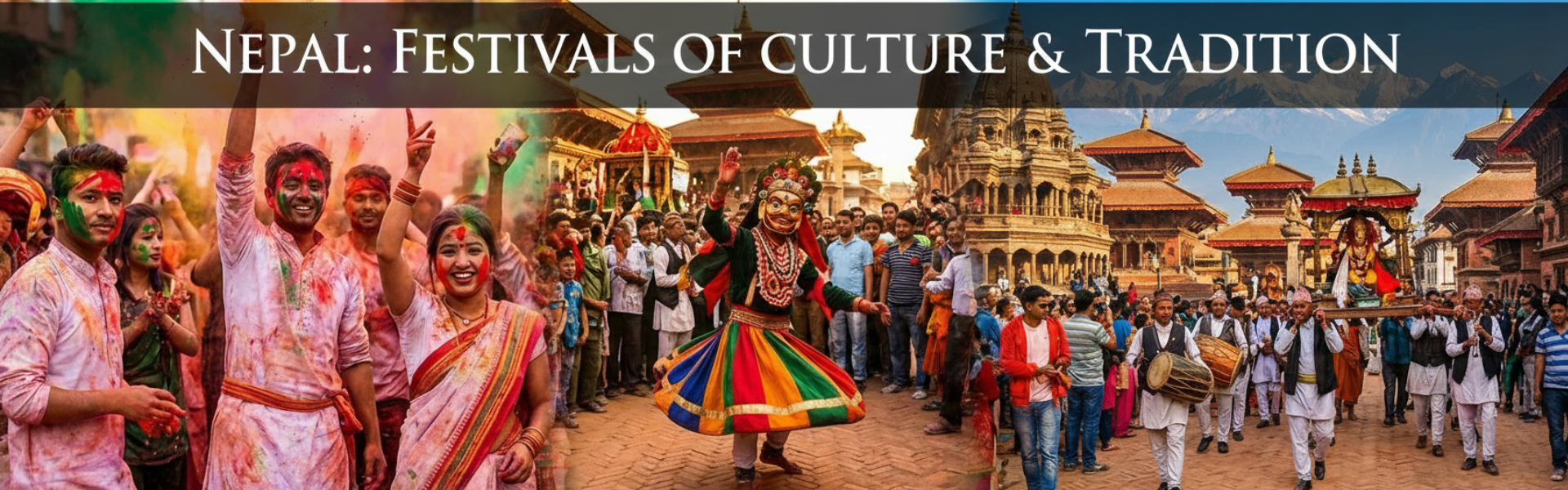
Nepal is not only famous for its breathtaking Himalayan landscapes and world-class trekking routes, but also for its vibrant festivals that reflect deep-rooted traditions and spiritual beliefs. From colorful street celebrations to sacred rituals in ancient temples, festivals in Nepal offer travelers a unique cultural experience alongside adventure. Whether you are trekking in the Everest region, exploring the Annapurna trails, or visiting cultural hubs like Kathmandu and Pokhara, Nepalese festivals add an unforgettable cultural dimension to your journey with Glorious EcoTrek Nepal.
Why Are Festivals an Important Part of Nepalese Culture?
Festivals in Nepal are an integral part of everyday life, deeply connected to religion, agriculture, nature, and community values. With over 125 ethnic groups and multiple religions, Nepal celebrates festivals throughout the year, each reflecting unique cultural identities and traditions. These celebrations strengthen social bonds, preserve ancient rituals, and mark important seasonal changes.
For travelers, festivals provide an authentic glimpse into local life especially in trekking regions like Everest, Annapurna, and Langtang, where cultural traditions remain well preserved. Experiencing festivals during a trekking journey allows visitors to connect not just with Nepal’s mountains, but also with its people and timeless heritage.
Top 10 Festivals of Nepal
Nepal is a land of vibrant festivals celebrated throughout the year, reflecting its rich cultural diversity and deep spiritual traditions. From colorful street festivals to sacred religious ceremonies, each celebration offers a unique insight into Nepalese life. These festivals not only highlight ancient customs but also enhance the travel experience for visitors exploring Nepal’s mountains, villages, and historic cities. Experiencing festivals in Nepal allows travelers to connect culture, community, and adventure in a truly meaningful way.
1. Dashain: The Biggest and Most Important Festival of Nepal
Dashain is the largest and most widely celebrated festival in Nepal, symbolizing the victory of good over evil. Celebrated by Hindus across the country, Dashain honors Goddess Durga and lasts for 15 days, with major rituals observed during the first ten days. Families gather, elders give blessings known as Tika and Jamara, and homes are filled with joy, feasts, and celebrations.
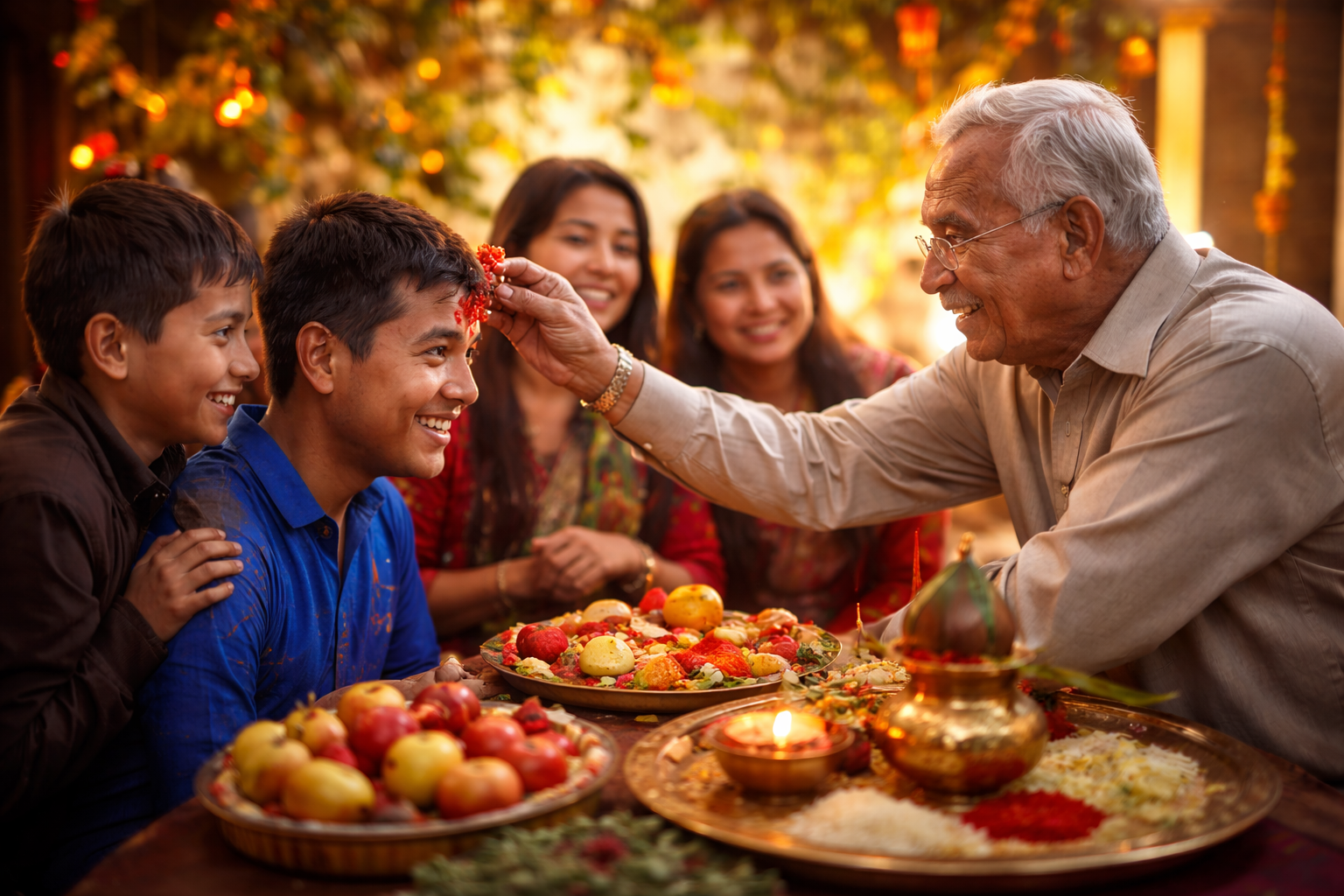
For travelers, Dashain offers a rare opportunity to witness Nepal’s strong family values and cultural unity. Rural villages become especially lively, making it an ideal time to explore local lifestyles during short treks. In popular trekking regions like Annapurna and Everest, village communities celebrate Dashain with traditional rituals, creating a unique cultural atmosphere along the trails. Autumn is also the best trekking season in Nepal, making Dashain an excellent time to combine cultural immersion with iconic journeys such as the Annapurna Base Camp Trek or scenic treks in the Everest region.
2. Tihar: The Festival of Lights and Colors
Tihar, also known as Deepawali in Nepal, is the second biggest festival and is celebrated over five days. Each day honors different beings, including crows, dogs, cows, and finally Goddess Laxmi, the goddess of wealth. Houses are beautifully decorated with oil lamps, colorful lights, and intricate rangoli patterns, creating a magical atmosphere across cities and villages.
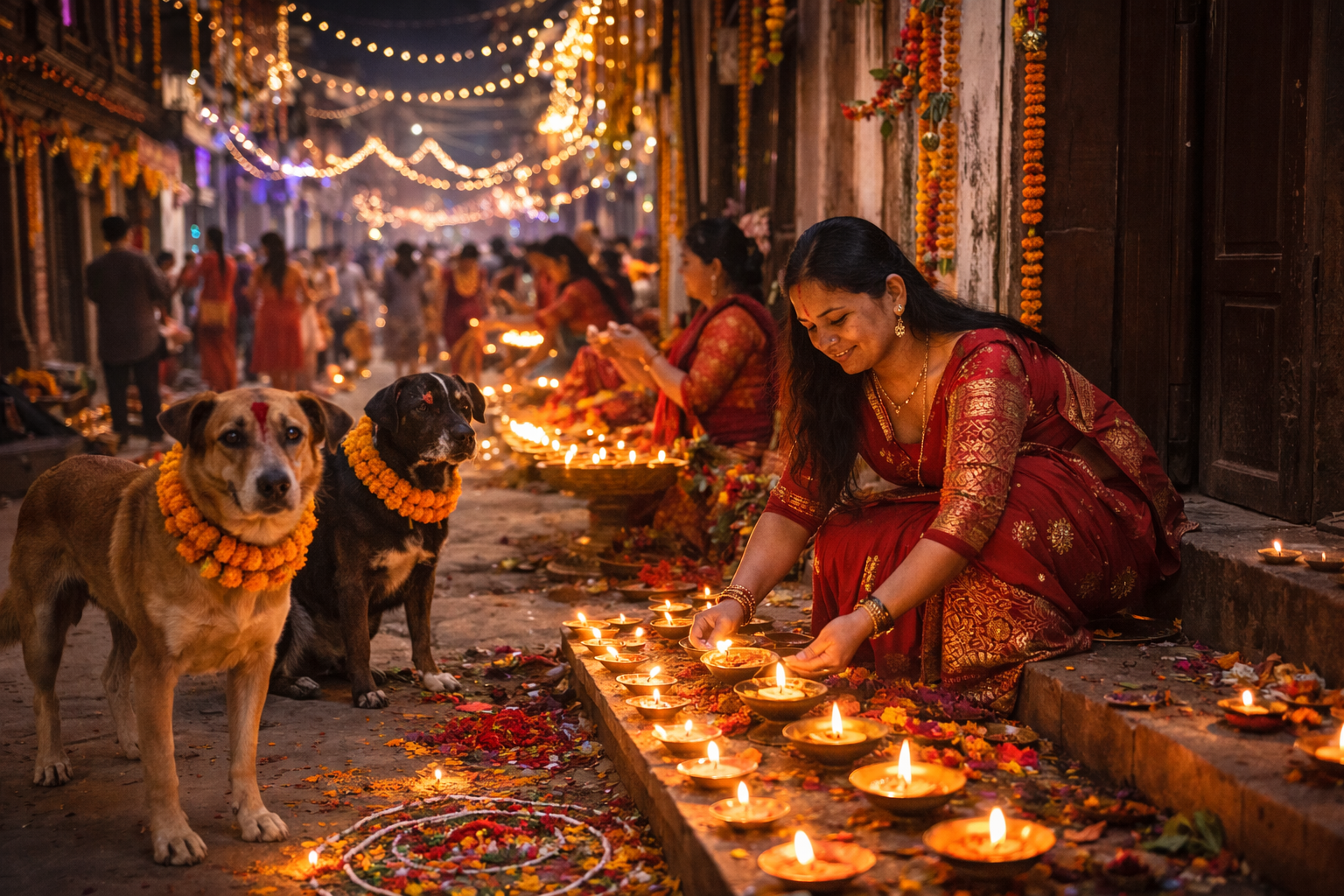
Tihar is particularly vibrant in Kathmandu and Pokhara, two major gateways for trekking adventures. Pokhara, the starting point for most Annapurna trekking packages, looks especially stunning during this festival. Travelers can enjoy cultural celebrations before or after their trek, blending adventure with tradition. The final day, Bhai Tika, highlights family bonds between brothers and sisters, giving visitors a heartfelt glimpse into Nepalese culture. Tihar perfectly complements autumn trekking experiences, making it an ideal festival for travelers exploring Nepal with Glorious EcoTrek Nepal.
3. Holi: The Festival of Colors in Nepal
Holi, the festival of colors, is one of the most joyful and energetic festivals in Nepal. Celebrated mainly in March, Holi marks the arrival of spring and the victory of good over evil. People throw vibrant colors, dance in the streets, and celebrate with music and laughter, especially in Kathmandu and Pokhara.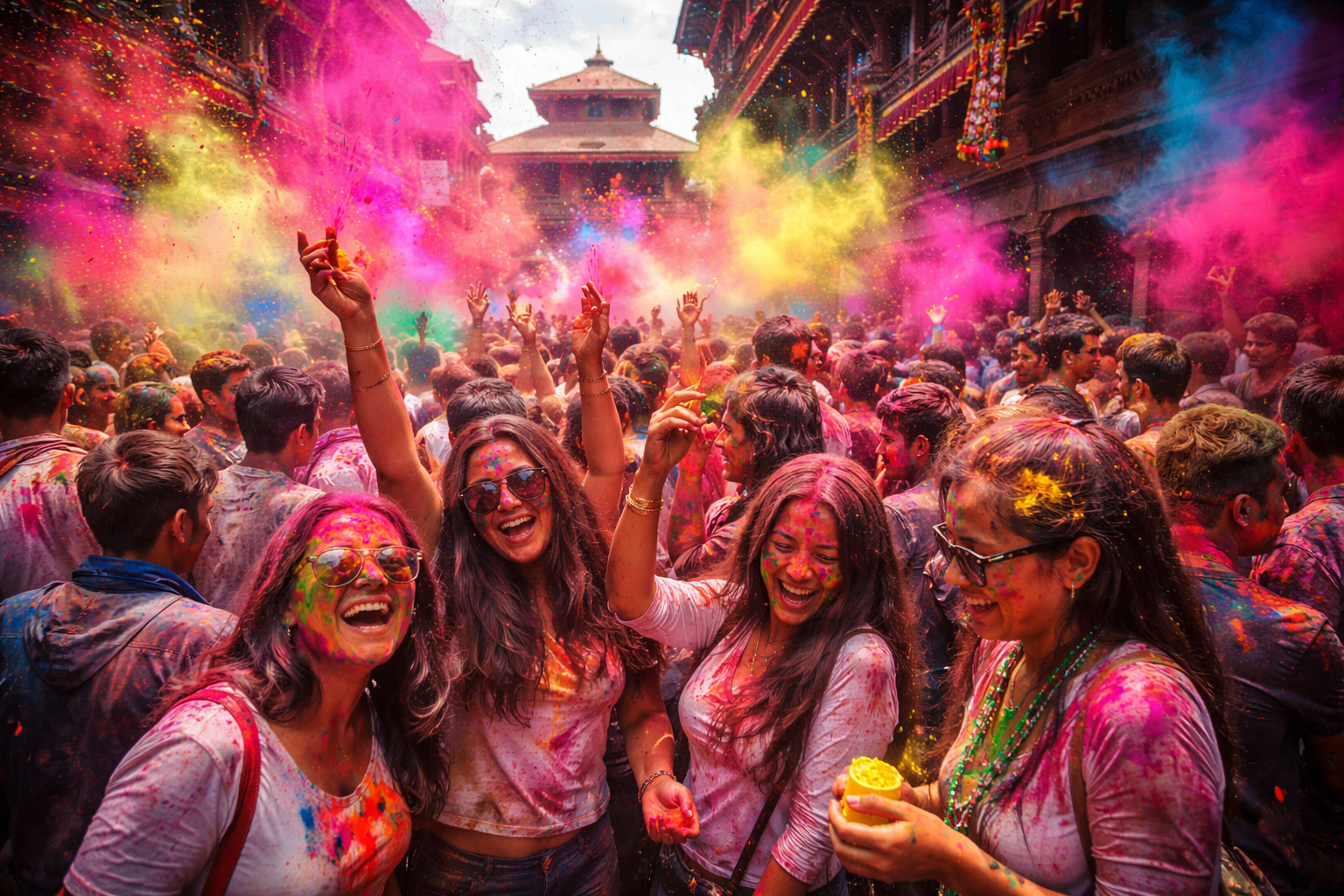
Holi is extremely popular among international tourists due to its lively atmosphere and social inclusiveness. It also signals the beginning of Nepal’s spring trekking season, one of the best times for mountain adventures. After celebrating Holi, travelers often head towards classic routes like the Langtang Valley Trek, or Everest View Treks, enjoying clear skies and blooming rhododendron forests. Experiencing Holi before trekking adds a colorful cultural memory to any Nepal travel itinerary.

 14 Days
 Challenging
US$ 1390
4. Buddha Jayanti: Birth of Lord Buddha
Buddha Jayanti celebrates the birth, enlightenment, and death of Lord Buddha and is one of the most important Buddhist festivals in Nepal. The festival is observed on a full moon day in May, with special significance in Lumbini, the birthplace of Lord Buddha and a UNESCO World Heritage Site. Monasteries and stupas are beautifully decorated, and peaceful prayer ceremonies are held across the country.
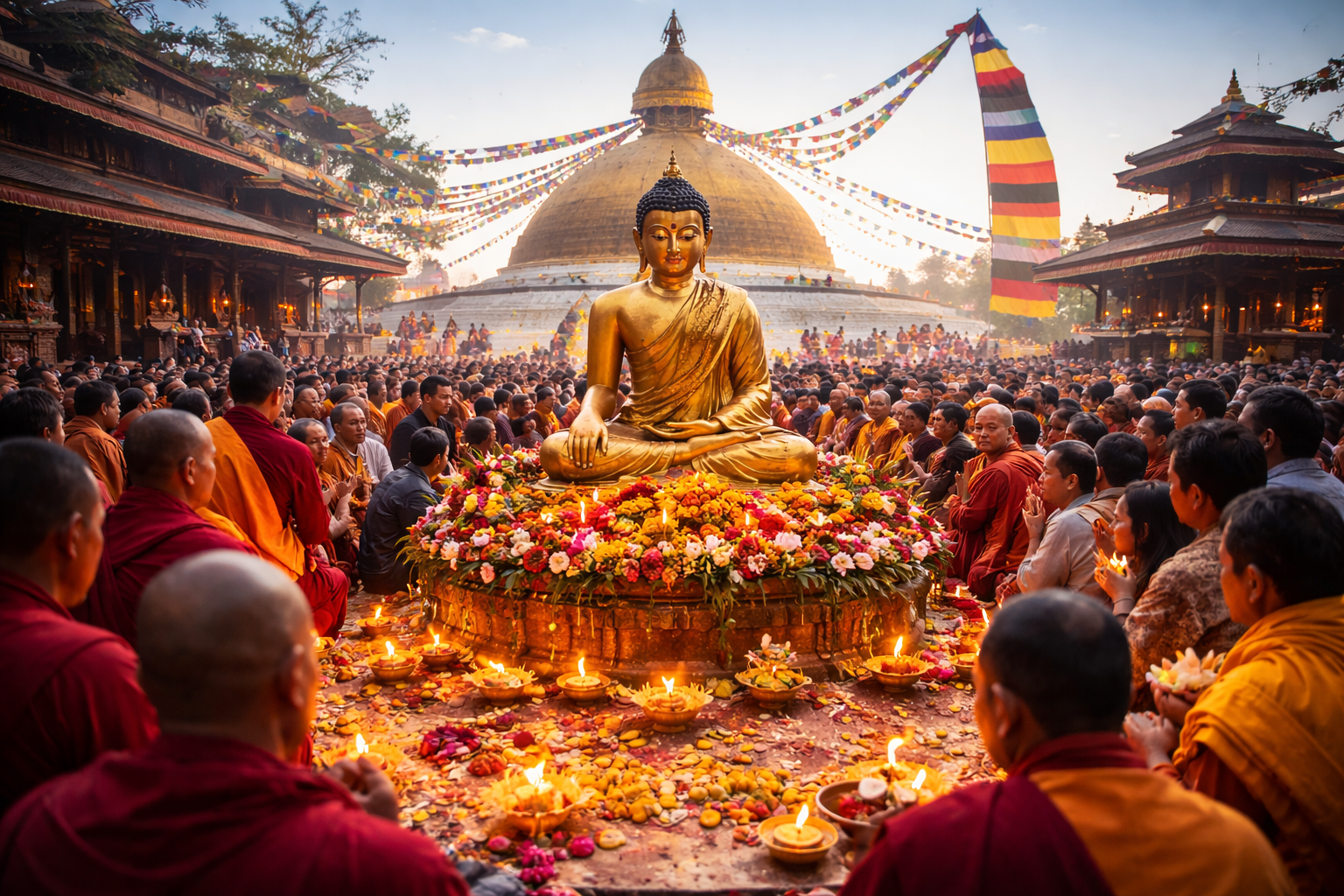
This festival offers travelers a calm and spiritual experience, contrasting beautifully with Nepal’s adventurous side. In Himalayan regions influenced by Buddhism, such as Langtang and Everest, monasteries hold special rituals during Buddha Jayanti. Many trekkers combine light trekking with cultural exploration, visiting monasteries along popular trails. For those seeking spiritual depth alongside nature, Buddha Jayanti is an ideal time to experience Nepal’s cultural and trekking harmony.
5. Teej: The Festival of Women in Nepal
Teej is a vibrant Hindu festival celebrated primarily by Nepalese women, dedicated to Goddess Parvati. During Teej, women dress in red saris, fast for marital happiness and family well-being, and participate in traditional songs and dances. Temples, especially Pashupatinath in Kathmandu, become lively centers of devotion and celebration.
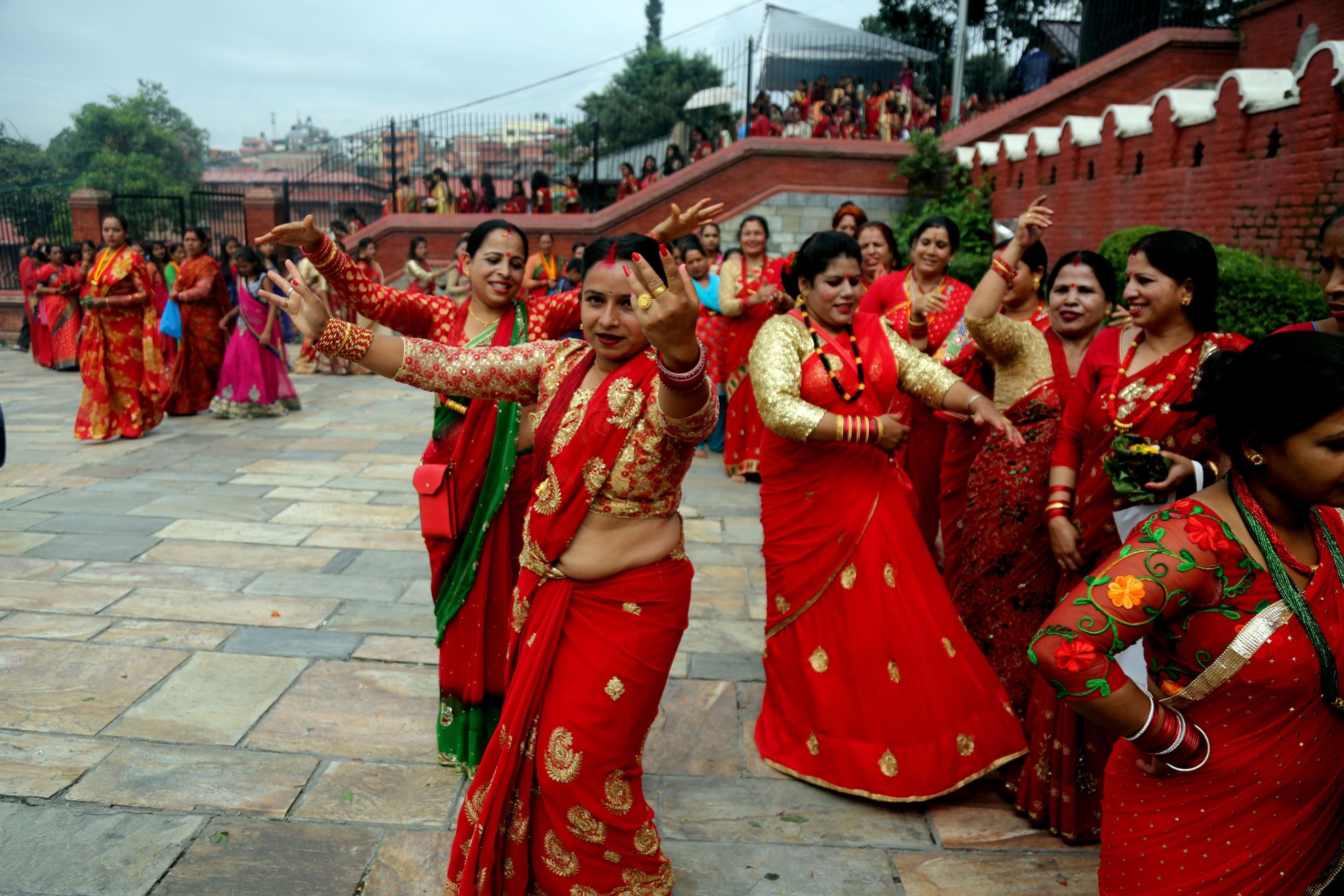
For travelers, Teej offers a unique insight into women-centric traditions and social values in Nepal. Along trekking routes and in cultural villages, visitors may witness Teej celebrations that reflect strong community bonds. Cultural encounters during treks in regions like Annapurna and Langtang allow travelers to observe authentic rural traditions beyond major cities. Experiencing Teej adds cultural depth to trekking journeys and highlights Nepal’s rich intangible heritage.
6. Indra Jatra: The Living Culture of Kathmandu Valley
Indra Jatra is one of the most vibrant and historically rich festivals celebrated in the Kathmandu Valley. Dedicated to Lord Indra, the god of rain, this festival is deeply rooted in Newari culture and is marked by masked dances, traditional music, and large chariot processions through ancient city squares. One of the major highlights of Indra Jatra is the public appearance of the Living Goddess Kumari, which attracts both locals and visitors.
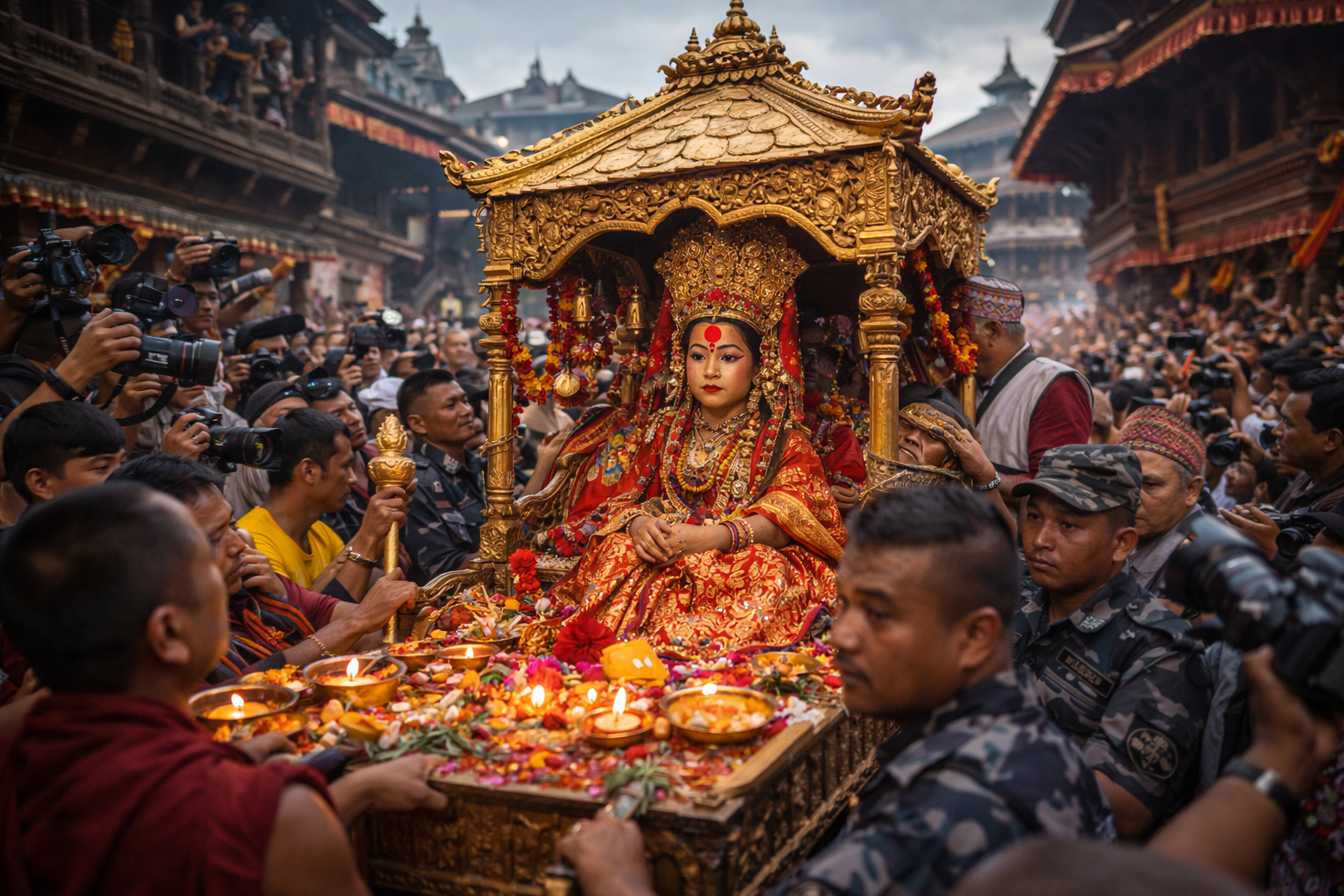
For travelers interested in heritage and history, Indra Jatra offers an immersive cultural experience within UNESCO World Heritage sites such as Durbar Square. The festival showcases Nepal’s artistic traditions, centuries-old rituals, and urban cultural life, making it ideal for travelers who wish to explore Nepal beyond its natural landscapes.
7. Mani Rimdu: Sacred Festival of the Himalayan Monasteries
Mani Rimdu is a significant Buddhist festival celebrated in Himalayan monastery communities, especially among the Sherpa people. The festival commemorates the introduction of Buddhism in the region and includes prayer ceremonies, symbolic rituals, and colorful masked dances performed by monks. These dances represent the triumph of wisdom over ignorance and evil.
For culturally curious travelers, Mani Rimdu offers a rare opportunity to witness authentic monastery life and ancient Buddhist practices in a serene mountain setting. The spiritual atmosphere, combined with breathtaking surroundings, makes this festival one of the most unique cultural events in Nepal, especially for those seeking meaningful travel experiences rooted in tradition and spirituality.
8. Losar: Tibetan New Year Celebration in Nepal
Losar marks the Tibetan New Year and is celebrated by Tibetan, Sherpa, Tamang, and Gurung communities across Nepal. The festival usually falls between January and February and is characterized by family gatherings, traditional dances, cultural performances, and religious ceremonies in monasteries. Homes are cleaned and decorated, and special dishes are prepared to welcome prosperity and good fortune.
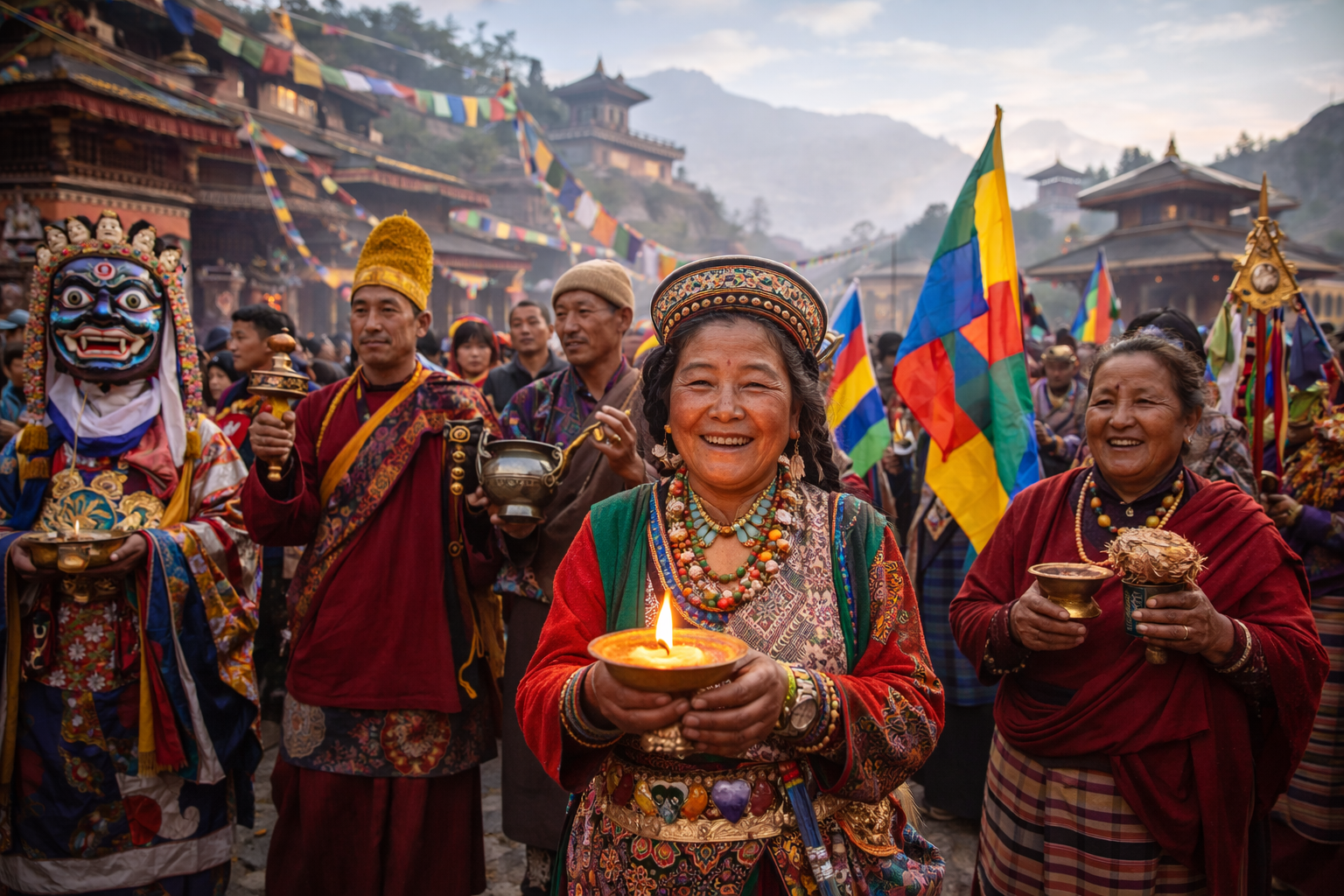
Losar provides travelers with insight into Himalayan lifestyles and Tibetan-influenced culture. The colorful costumes, ancient rituals, and festive atmosphere make it a rewarding cultural experience for visitors traveling in Nepal during the winter season, especially in regions where Tibetan heritage remains strong and well-preserved.
 15 Days
Challenging
15 Days
Challenging
9. Chhath: The Festival of Sun Worship
Chhath is a unique festival dedicated to the Sun God and is mainly celebrated in the southern plains of Nepal. Observed with strict rituals, fasting, and prayers, devotees offer gratitude to the sun for life, health, and prosperity. The festival takes place along rivers and water bodies, creating a visually striking and spiritually powerful environment.
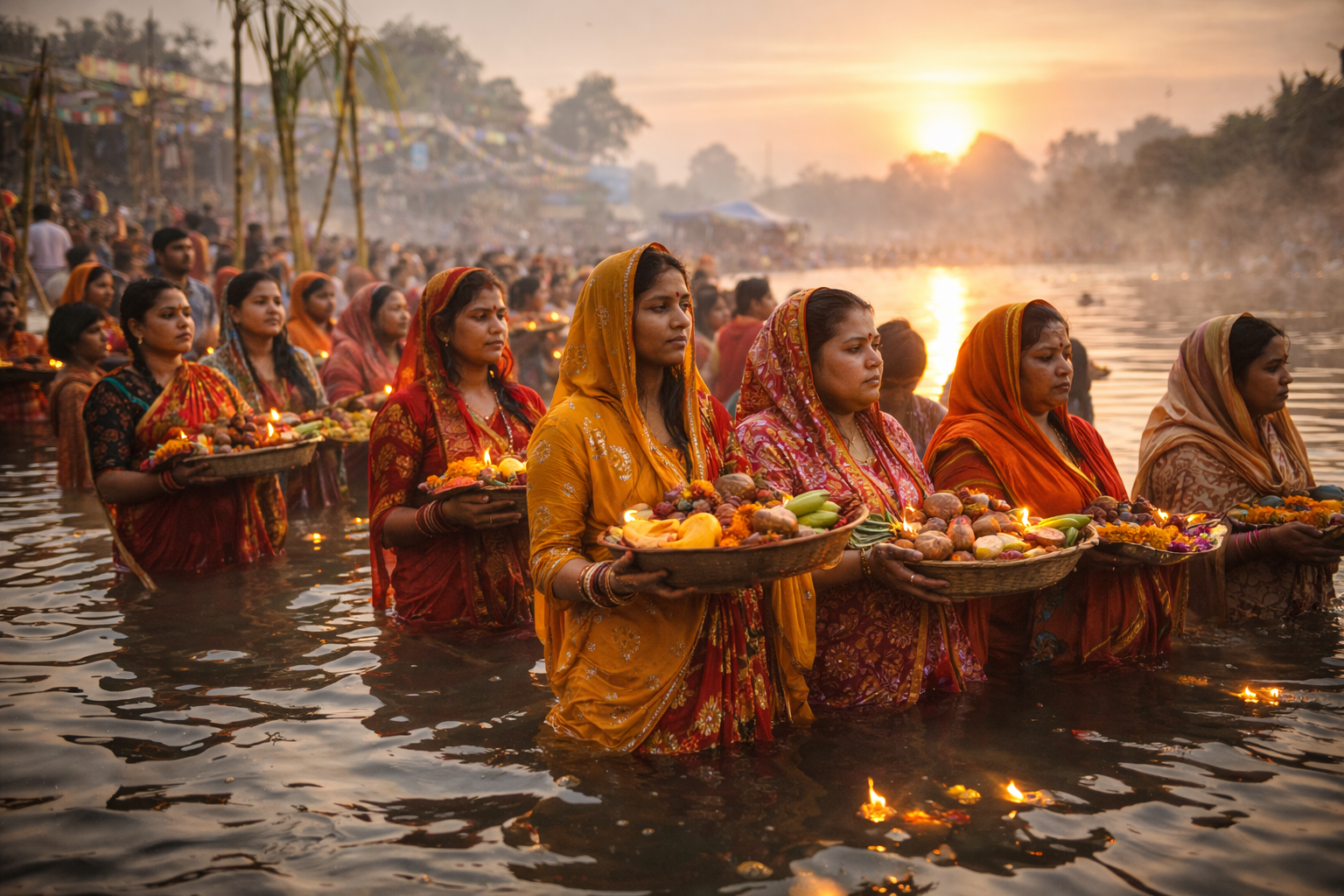
Chhath highlights Nepal’s cultural diversity and showcases traditions distinct from the hill and mountain regions. For travelers interested in exploring lesser-known cultural practices, this festival offers a meaningful glimpse into community devotion, environmental harmony, and ancient belief systems that have been preserved for generations.
10. Maghe Sankranti: Festival of Seasonal Transition
Maghe Sankranti marks the end of winter and the beginning of longer, warmer days. Celebrated in mid-January, this festival is associated with purification, health, and renewal. People take ritual baths in rivers, consume traditional foods like sesame sweets and root vegetables, and gather with family to celebrate seasonal change.
This festival reflects Nepal’s strong connection to nature and agricultural cycles. For visitors, Maghe Sankranti offers an authentic cultural experience that highlights how festivals in Nepal are closely tied to climate, livelihood, and traditional wisdom. It is an excellent example of how everyday life and spirituality are beautifully intertwined in Nepalese culture.
Best Time to Visit Nepal for Festivals and Cultural Experiences
Nepal celebrates festivals throughout the year, but the most favorable time to experience major festivals alongside travel activities is during spring (March to May) and autumn (September to November). These seasons offer pleasant weather, clear skies, and a festive atmosphere across the country. Many of Nepal’s biggest celebrations take place during these months, allowing visitors to enjoy cultural events without weather-related disruptions.
Winter and summer also feature important festivals, offering a quieter and more immersive cultural experience for travelers who prefer fewer crowds. Planning a trip around festival dates allows visitors to witness authentic traditions, local rituals, and community celebrations that enrich the overall travel experience in Nepal.
Why Experience Nepalese Festivals with Glorious EcoTrek Nepal
Experiencing festivals in Nepal becomes even more meaningful when guided by local expertise. Glorious EcoTrek Nepal specializes in creating responsible and immersive travel experiences that blend cultural exploration with adventure. With deep local knowledge, the company ensures travelers experience festivals respectfully while gaining insight into Nepal’s traditions and way of life.
From customizing itineraries around festival dates to offering eco-friendly travel options, Glorious EcoTrek Nepal focuses on authentic experiences that support local communities. Whether travelers are interested in cultural tours, nature-based journeys, or festival-focused trips, the company provides personalized services that enhance every aspect of the Nepal travel experience.
Conclusion
Festivals in Nepal are more than celebrations—they are living expressions of faith, history, and community. Each festival offers a unique window into Nepal’s cultural diversity, making every visit rich in meaning and connection. From vibrant street celebrations to peaceful spiritual rituals, these events add depth and color to any journey.
Planning a trip around Nepalese festivals allows travelers to experience the country beyond sightseeing, creating lasting memories rooted in culture and tradition. With thoughtful planning and local guidance from Glorious EcoTrek Nepal, travelers can enjoy a journey that beautifully blends culture, nature, and authentic Nepalese hospitality.