

Everest Base Camp Trek Insurance is a type of travel insurance specifically designed to protect trekkers while hiking in the Everest region. It covers things like medical emergencies, accidents, and evacuation from high altitudes.
This insurance is important because trekking in the Himalayas can be risky due to its challenging conditions and high altitude. Having insurance helps protect trekkers from unexpected problems.
What is the Everest Base Camp Trek?
Everest Base Camp Trek is a famous hiking journey that takes you to the base camp of Mount Everest. It is located in Nepal and offers a unique chance to see the world’s tallest mountain up close.
The trek is not about climbing Everest, but about reaching its base camp, which sits at an altitude of around 5,380 meters (17,600 feet). Along the way, trekkers experience breathtaking views, beautiful villages, and fascinating culture.
Why is Everest Base Camp a popular trek?
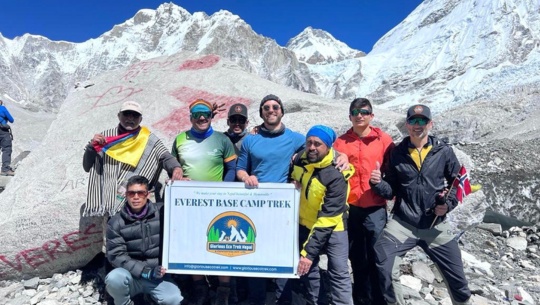
The trek is popular because it allows people to see Everest, the highest mountain in the world, without the need to climb it.
Many trekkers are drawn to the challenge of hiking in high altitudes and the chance to explore the stunning Himalayan landscape. The journey also offers a deep cultural experience, as it passes through traditional Sherpa villages and Buddhist monasteries.
Why You Should Have Insurance for Everest Base Camp Trek
It’s very important to have insurance for the Everest Base Camp Trek because it helps protect you from accidents or health issues during your journey.
Trekking in the high-altitude areas of the Everest region can be risky, and having insurance ensures you won’t have to worry about paying a lot if something happens.
If you get sick or injured while trekking, insurance can cover your medical expenses. In case of an emergency, it might even help you get evacuated from the mountains. This kind of protection allows you to enjoy your trek with peace of mind, knowing you’re covered.
Benefits of Having Travel Insurance for Everest
- Covers medical costs: Insurance helps cover medical expenses if you need treatment while trekking. This is especially important because Everest is in a remote area, and medical help can be far away.
- Helps with lost luggage or canceled flights: If your luggage is lost or your flight gets delayed, insurance can provide compensation for these issues.
- Provides peace of mind: With insurance, you don’t have to worry about unexpected situations like accidents or trip interruptions. It lets you enjoy your trek without stress.
Types of Insurance You Need for the Everest Base Camp Trek
Travel Insurance
Travel insurance covers unexpected situations that may happen during your trip, such as canceled flights, lost luggage, or trip delays. It ensures that you won’t lose money if something goes wrong before or during your trek.
Having travel insurance also protects you if you need to change your travel plans unexpectedly. It’s essential for covering any issues that may disrupt your travel to and from the Everest Base Camp.
Medical Insurance
Medical insurance is crucial for covering health issues while trekking in remote areas like Everest. If you get sick or injured, medical insurance will help pay for doctor visits, treatments, or hospital stays.
In places like the Everest region, medical help can be far away, so having medical insurance ensures you are covered in case of emergencies. It’s a key part of staying safe during your trek.
Evacuation Insurance
Evacuation insurance is especially important for treks at high altitudes like Everest. If you have a serious illness or injury, evacuation insurance will cover the cost of emergency evacuation to get you to a hospital.
What Does Everest Base Camp Trek Insurance Cover?
Medical Emergencies
Everest Base Camp Trek insurance covers medical emergencies that may occur during your trek. If you get injured or fall ill, the insurance will help cover the cost of medical treatment. This includes doctor visits, hospital stays, and medications.
Since medical facilities in the Everest region are limited, having insurance ensures that you’re protected in case of health problems while trekking.
Evacuation costs
Evacuation insurance covers the cost of getting you safely off the mountain if there’s an emergency. In case of serious illness or injury, this type of insurance helps pay for evacuation, either by helicopter or other means, to the nearest hospital.
Since Everest Base Camp is at a high altitude, evacuation can be expensive, and having this coverage ensures that you are not left to bear those costs on your own.
Lost luggage or personal items.
Insurance also covers lost luggage or personal items during your trek. If your bags are lost or stolen, your insurance can help recover the cost of replacing them. This ensures that you won’t lose valuable items like electronics, clothes, or personal belongings if something happens during your journey.
Having this coverage protects you from the financial loss of important items and helps you continue your trek with peace of mind.
What Happens if You Don’t Have Insurance?
If you don’t have insurance, you’ll face high costs in case of emergencies. Without coverage, you’ll need to pay for medical treatment, evacuation, or lost belongings out of your own pocket.
Examples of accidents or issues without insurance.
For example, if you need a helicopter evacuation due to injury or illness, it can cost thousands of dollars. Without insurance, this becomes your responsibility to pay.
If your luggage is lost or stolen, you’d have to replace everything on your own. Insurance helps protect you from these financial risks during your trek.
How to Choose the Right Trekking Insurance
Things to consider: medical coverage, emergency evacuation.
When choosing trekking insurance, make sure it covers medical emergencies. This is important because, in remote areas like Everest, getting medical help can be difficult and expensive.
Also, check if the insurance covers emergency evacuation. If you need to be evacuated due to injury or illness, evacuation can be very costly, and having this coverage ensures you won’t have to pay for it yourself.
Comparing insurance options for trekking.
Look at different insurance plans to find the best coverage for your needs. Compare the details like medical coverage, evacuation costs, and any exclusions. Some insurance plans may also cover things like trip cancellations or lost luggage, which can be helpful.
It’s important to choose an insurance provider that specializes in trekking or adventure travel, as they will be more experienced in handling high-altitude situations.
Travel Insurance vs. Trekking Insurance
Travel insurance covers general travel-related issues, such as trip cancellations, lost luggage, or delayed flights. It’s useful for overall travel protection, but it doesn’t always cover activities like high-altitude trekking.
Trekking-specific insurance, on the other hand, is designed to protect trekkers on challenging hikes like Everest Base Camp. It includes coverage for medical emergencies, high-altitude sickness, and evacuation from remote areas, which regular travel insurance may not cover.
Why Trekking Insurance is Better for Everest Base Camp
Trekking insurance is better for Everest Base Camp because it’s tailored to the risks associated with high-altitude trekking. Regular travel insurance may not cover the costs of emergency evacuation from the mountains or medical care at high altitudes.
Trekking insurance gives you the peace of mind that you’re fully covered for the unique challenges of Everest, ensuring you’re protected if something goes wrong during your trek.
Why do you need special insurance for Everest?
Special insurance is needed for Everest because it covers the unique risks of trekking at high altitudes. Standard insurance might not cover medical emergencies or evacuation in remote areas like Everest, where help can be far away.
High-altitude trekking brings risks like altitude sickness, which can happen suddenly and require urgent care or evacuation. Special insurance ensures that you’re protected from these specific risks.
What makes Everest Base Camp different from other treks.
Everest Base Camp is different from other treks because of its extreme altitude (5,364 meters) and harsh conditions. The trek involves physical strain, long distances, and the possibility of altitude sickness, which can be life-threatening if not treated properly.
Unlike lower treks, Everest requires specialized insurance that covers medical emergencies, helicopter evacuations, and treatments specific to high-altitude environments. These factors make trekking insurance essential for anyone planning to trek to Everest Base Camp.
Conclusion
Having insurance is important because it protects you from unexpected costs, such as medical emergencies, evacuations, or lost belongings. Without it, you could face huge expenses that might ruin your trek.
With the right insurance, you can stay safe and enjoy your trek without worry. It covers medical treatment, evacuation, and other emergencies, giving you peace of mind. By having the right coverage, you can focus on enjoying your adventure and feel secure throughout the journey.