


Mt. Everest Expedition Recommended Gear List is very important for climbing Mount Everest, the tallest mountain in the world. The weather is freezing, the wind is strong, and the air has very little oxygen. Without the right gear, climbers can get sick, feel very tired, or get frostbite. Whether starting with the Everest Base Camp Trek or heading directly to the summit, warm clothes, strong climbing tools, and safety gear help climbers stay safe. Good gear keeps the body warm, makes climbing easier, and helps survive harsh weather. Being well-prepared gives a better chance to reach the top safely. The right gear is the key to staying strong and finishing the climb successfully.
Essential Clothing for Extreme Conditions
Climbing Mount Everest is one of the hardest things a person can do. The weather is freezing, the wind is very strong, and there is very little oxygen in the air. Without the right clothes, it is impossible to survive. Climbers need to wear proper layers of clothing to stay warm and safe. There are four important layers: the base layer, mid layer, outer layer, and an insulated down suit. Each layer has a special job to keep the body warm and protected.
The base layer is the first layer of clothing that comes in direct contact with the skin, and its main function is to keep the body dry by wicking away sweat. If sweat remains on the skin, it can lead to chills, which is dangerous, especially at high altitudes. High-quality base layers are typically made from materials like merino wool or synthetic fabrics, as they dry quickly and help retain warmth. Cotton should be avoided, as it absorbs sweat and takes too long to dry, leaving the body cold. If you’re planning to experience the Everest Helicopter Tour, make sure you have the right base layer to stay comfortable and warm during the trip, especially at higher altitudes.
The mid layer helps trap body heat and keep the climber warm. This layer is usually made from fleece or down. Fleece jackets are light, soft, and still work even if they get a little wet. Down jackets are even warmer, but they stop working if they get wet. Many climbers wear both fleece and a lightweight down jacket to stay warm.
The outer layer serves as a protective shield against harsh weather conditions, keeping out wind, snow, and rain. It’s crucial that this layer is both waterproof and windproof. Jackets and pants made from Gore-Tex are the top choice because they block water and wind while allowing sweat to escape, ensuring you stay dry and comfortable. Without a proper outer layer, the cold temperatures and strong winds can lead to serious health risks, such as frostbite or illness. When considering the best things to do during Everest Base Camp trek, make sure to focus on layering properly, as the right outer layer can make a huge difference in your comfort and safety.
The insulated down suit is a critical layer for those aiming to reach the summit of Everest. As climbers ascend, temperatures can drop to life-threatening levels, sometimes reaching as low as -40°C (-40°F). This suit covers the entire body and traps essential warmth, while remaining lightweight and flexible for movement. Without a high-quality down suit, surviving the final stages of the climb would be nearly impossible. If you’re preparing for your trek or climb, learning 10 facts about Mount Everest can help you understand the extreme conditions climbers face, emphasizing the importance of proper gear like the insulated down suit.
Wearing the right clothes is the key to staying safe and strong while climbing Everest. Whether someone is doing the Everest 3 Passes Trek or trying to reach the summit, having the best gear can mean the difference between success and failure.
Climbing Gear for High-Altitude Success
Climbing to the top of Mount Everest is an incredibly challenging and dangerous endeavor. To stay safe, climbers require specialized equipment that helps them navigate ice, snow, and rocky terrain. The proper gear is essential for protecting against falls, avalanches, and other potential hazards. If you’re not reaching the summit but still want to experience the beauty of the region, the unique experiences of the Everest Base Camp trek offer breathtaking views and cultural encounters, with far less risk but still an unforgettable adventure.
One of the most essential pieces of gear for climbing Everest is a high-quality pair of mountaineering boots. These boots need to be exceptionally warm because the extreme cold on Everest can freeze your feet. The best boots are double boots, featuring two layers—one inner and one outer—providing extra insulation and protection against frostbite. In addition, good boots offer excellent ankle support, which makes it easier to walk on uneven and challenging terrain. If you’re not climbing to the summit but still want to experience the awe of the region, consider the Everest Base Camp Helicopter Tour, which allows you to enjoy the stunning views of the mountain without the need for such intense gear.
To walk safely on ice, climbers need crampons. These are sharp metal spikes that attach to the bottom of the boots. They help climbers grip the ice and snow so they don’t slip. Without crampons, it would be almost impossible to climb the steep, slippery parts of Everest.
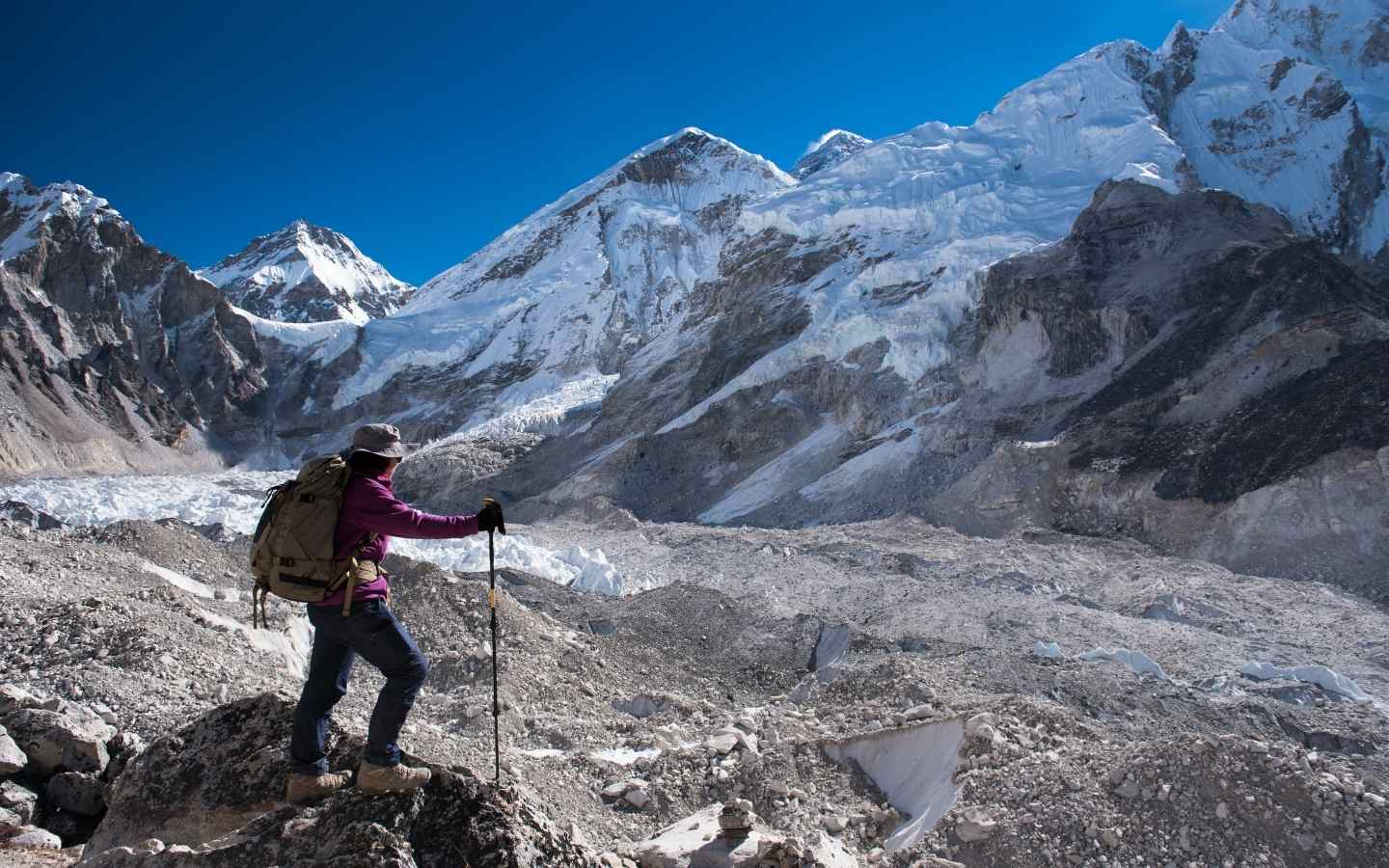
An ice axe is another crucial tool for climbers, as it helps maintain balance and can stop a fall if they slip on ice. The axe needs to be strong yet lightweight, making it easy to carry and use effectively. It plays a vital role in both ascending and descending safely. If you’re considering the Everest Base Camp trek without a guide, it’s important to know how to properly use an ice axe and other essential equipment to navigate the terrain, as the trail can be challenging in certain sections, even without the extreme conditions of summit attempts.
For added safety, climbers wear a harness and use carabiners. The harness fits securely around the waist and legs, ensuring the climber remains attached to the ropes, while the carabiners—strong metal clips—link the climber to fixed ropes and anchors. This setup helps prevent dangerous falls, especially in treacherous terrain. While these safety measures are essential for those attempting to summit Everest, trekkers enjoying the top attractions of the Everest Base Camp trek don’t need such gear but will still encounter breathtaking views, Sherpa culture, and iconic landmarks along the way, all requiring proper preparation and attention to safety.
A helmet is also a vital piece of equipment for climbers, offering protection from falling rocks and ice. A good helmet should be lightweight yet strong enough to keep the climber safe in dangerous conditions. While you won’t need a helmet for the difficulty level of the Everest Base Camp trek, it’s still a key piece of gear for mountaineers attempting to summit the peak, where rockfall and icefall hazards are more prevalent. For those trekking to base camp, focusing on the right footwear, clothing, and safety gear is important to ensure comfort and protection during the journey.
Climbers also use ascenders and ropes to go up steep sections. Jumar ascenders help climbers grip the rope and climb higher. Strong ropes are used to secure climbers on dangerous parts of the mountain.
Having the right equipment is very important, whether you are climbing Everest or doing the Everest Base Camp Heli Return Trek. The right gear makes the journey safer and gives climbers a better chance of reaching their goal.
Sleeping and Camping Equipment
Surviving the harsh environment of Mount Everest requires the right sleeping and camping gear. Nights on the mountain can be extremely cold, with temperatures plummeting as low as -40°C (-40°F). Without the proper gear, you can lose heat quickly and fail to get the rest your body desperately needs. Rest is vital, as it helps your body recover from the physical exertion of climbing. If you’re planning to trek to Everest Base Camp, knowing the best time of the Everest Base Camp trek in Nepal can help you prepare for the conditions, ensuring you choose the most favorable weather to maximize your comfort and safety.
A good sleeping bag is one of the most important items for high-altitude camping. It must be made to handle very cold weather. A well-made sleeping bag uses high-quality down to trap your body heat. This means even when the temperature is extremely low, you can sleep comfortably and safely.
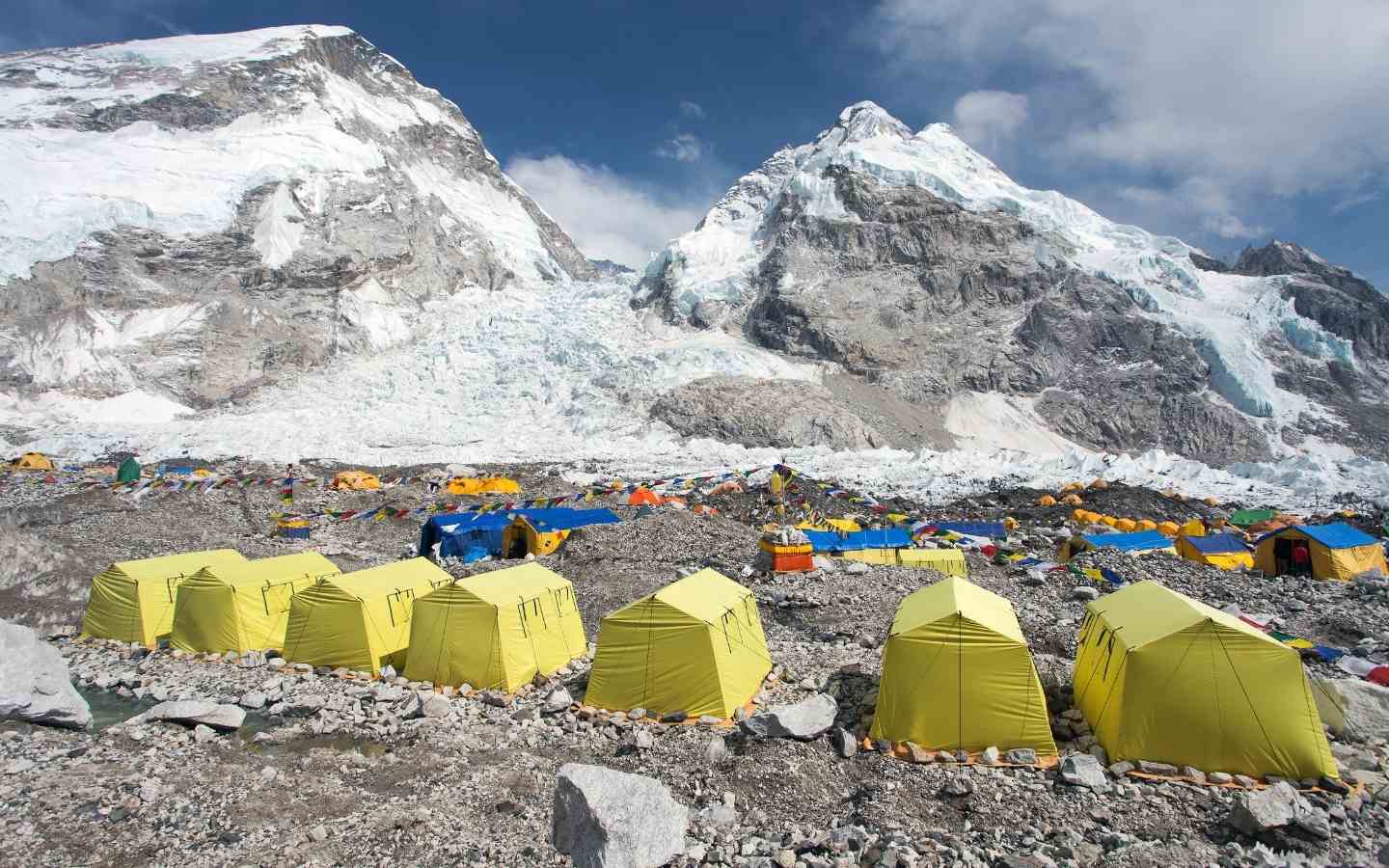
In addition to a sleeping bag, a sleeping pad is essential to keep you warm from the cold ground. The icy surface of Everest can quickly drain your body heat, so a sleeping pad acts as both a cushion and a barrier between you and the frozen earth. This extra layer helps retain your body heat throughout the night, ensuring you wake up rested and ready for another day of trekking. For those undertaking the Everest Base Camp trek for beginners, having the right gear like a quality sleeping bag and pad is key to staying comfortable and prepared for the elements along the trail.
A strong and reliable tent is crucial for your safety when trekking in the mountains. Tents used on high-altitude expeditions are designed to withstand heavy snowfall and fierce winds, providing a safe shelter to sleep in and protecting you from the harsh conditions outside. Even though many Everest expeditions supply tents, it’s important to ensure the tent is of good quality before embarking on your journey. For trekkers considering the guide and porter hiring for Everest Base Camp trek, having an experienced guide and porter can also help ensure your gear is properly packed and set up, so you’re prepared for any weather conditions during the trek.
For food preparation, you need lightweight cooking equipment. A small stove is used to melt snow into water and to prepare simple meals. Because carrying heavy fuel is not practical, efficient fuel canisters are used instead. Good cooking gear and personal eating tools like a bowl, spoon, and thermos will help you stay healthy. This kind of gear is very important, especially on adventures like the Everest Base Camp Trek via Gokyo Lakes, where every bit of warmth and energy counts.
Personal Essentials and Health Gear
Climbing Mount Everest requires meticulous planning, and it’s not just about clothes and climbing tools. The personal items you carry are just as crucial. These items ensure you stay hydrated, protect yourself from the harsh sun, and prepare for any health issues that may arise during the climb. If you’re considering a last-minute booking for Everest Base Camp trek, it’s important to make sure you have all the essential items packed, as proper preparation will ensure you can focus on the adventure rather than facing unexpected challenges on the trail.
You will need a backpack and a duffel bag to carry your gear. A backpack of about 60-70 liters is best for carrying your daily items like food, water, extra clothes, and emergency supplies. A strong and waterproof duffel bag is used to move heavier gear from one camp to the next. These bags must be light and strong because porters and even yaks often help carry them up the mountain.
Drinking enough water is crucial at high altitudes, even though the cold can freeze it. A reliable hydration system, such as insulated water bottles or a water bladder, helps prevent your water from turning into ice. Dehydration can lead to serious issues like altitude sickness, so staying hydrated is essential. If you’re planning the Everest Base Camp trek in March, be prepared for cold temperatures, and make sure to carry the right hydration gear to ensure you can maintain proper fluid intake throughout your trek.
The sun is very strong at high altitudes, and the snow reflects the light, making it even brighter. Wearing sunglasses that block the strong rays is a must so you do not get snow blindness, which hurts your eyes. It is also important to use sunscreen with SPF 50+ to stop your skin from getting burned by the sun.
A small first aid kit is essential for any trek, as it prepares you for injuries or illnesses along the way. It should include medication for altitude sickness, pain relievers, bandages for blisters, and any personal medications you may need. Additionally, once you go above 7,000 meters, you’ll require an oxygen system to assist with breathing in the thin air. Oxygen bottles and masks are crucial for high-altitude safety. When preparing your Everest Base Camp trek packing list, make sure to include these items to stay prepared for any situation that may arise during the trek.
These items help keep you safe and strong while climbing Everest. Even when taking an Everest Helicopter Tour, having good health gear is very important.
Nutrition & Hydration Gear
Proper nutrition and hydration gear are essential when trekking in the mountains. Every step on a mountain like Everest requires significant energy, so your body needs the right fuel to keep going. High-energy snacks such as protein bars, nuts, and dried fruits are incredibly useful for climbers. They are compact, easy to pack, and provide a quick energy boost when you start to feel fatigued. Nuts offer a great source of protein and healthy fats, while dried fruits supply natural sugars for fast energy. Protein bars are specially designed for those who need a quick, sustaining snack while on the move. If you’re planning your best time for the Everest Base Camp trek, make sure to pack plenty of these high-energy snacks to keep your body fueled and ready for the challenges of the trek.

Staying hydrated is crucial during any climb, especially at high altitudes. Water is essential for maintaining health, but the cold can cause it to freeze. That’s why it’s important to have a reliable hydration system that keeps your water from turning into ice. Water alone may not be sufficient, as your body loses salts and minerals while climbing. Many climbers choose to add electrolyte powders to their water, as they mix easily and replenish the salts and minerals your body needs. This helps prevent dehydration and keeps your energy levels up. Remember, before you head out on your trek, ensure you have your Everest Base Camp trek permit ready for a smooth and prepared adventure.
For climbers who travel on their own, having a portable stove and simple cooking equipment is very useful. This gear lets you heat your food and water quickly when it is very cold. A warm meal or drink can lift your spirits and boost your strength. Whether you are climbing Everest or enjoying an adventure like the Gokyo Lakes Trek, the right nutrition and hydration gear makes all the difference in keeping you safe and strong.
Communication & Navigation Tools
When climbing high mountains like Everest, having the right communication and navigation tools is essential for safety. A satellite phone or radio can be a lifesaver in case of an emergency, allowing you to stay connected even when you’re far from help. These tools enable you to call for rescue or communicate with your team, providing a crucial lifeline if problems arise unexpectedly. In the unpredictable mountain environment, where weather can change rapidly, having reliable communication can make all the difference. This sense of security is one of the reasons why tourists love the Everest Base Camp trek, as it allows adventurers to focus on the stunning landscapes and unique experiences while knowing they are prepared for any challenge.
Navigation tools are absolutely essential for any trek, especially when venturing into challenging terrains like Everest Base Camp. A GPS device acts as a digital map, providing real-time location updates to help you stay on the right path. It’s particularly useful for selecting the best route and ensuring you’re heading in the correct direction. Alongside a GPS, a compass is crucial—it always points north, providing a backup if your GPS fails. Whether you’re navigating through fog or heavy snowfall, a compass can guide you safely. Together, these tools help you avoid getting lost in the vast, icy landscape. For those preparing for this adventure, understanding the top 10 things you should know before going on ABC will ensure you’re fully equipped for the journey, from navigation to safety tips.
It is also a good idea to carry a notebook and pen. Writing down your journey is not only a way to remember your adventure but also a way to record important information. You can note weather changes, your route, and even your thoughts during the climb. This simple habit can be very helpful later when you look back on your experience or need to share important details with your team.
Every piece of equipment matters in a challenging climb. With the right communication and navigation tools, your journey becomes safer and more manageable, much like on an Everest Panorama Trek where each tool helps guide you safely through breathtaking and challenging terrain.
Conclusion & Expert Advice from Glorious Eco Trek
Climbing Mount Everest is very hard and dangerous. The right gear can mean success or failure. Good equipment keeps you safe and warm in the cold. It is important to use strong and quality gear. Many climbers try to save money by buying cheap items, but that can hurt you on the mountain. You must test your boots, sleeping bag, and climbing tools before you start your journey. At Glorious Eco Trek, the best trekking company in Nepal our team helps you choose the best gear and offers rentals. Trust our expert advice and join a safe expedition.
| Ready to explore? Your dream trekking experience is just a message away! Contact us at Glorious Eco Trek Nepal through E-mail ([email protected]) or WhatsApp (+977-9851098382) to begin the planning process and turn your outdoor aspirations into reality. |