

Everest Base Camp Trek – 14 Days
Based on 350 reviews

Duration
14 Days
Trip Difficulty
Challenging
Max Altitude:
5,555m. / 18,225ft.
Group Size
2-20+ People
Best Season
Mar, Apri, May, Sep, Oct, Nov & Dec
Meals
Breakfast, Lunch & Dinner (during the trek)
Accommodation
3 Star Hotel in Kathmandu, Lodge & Tea House during the trek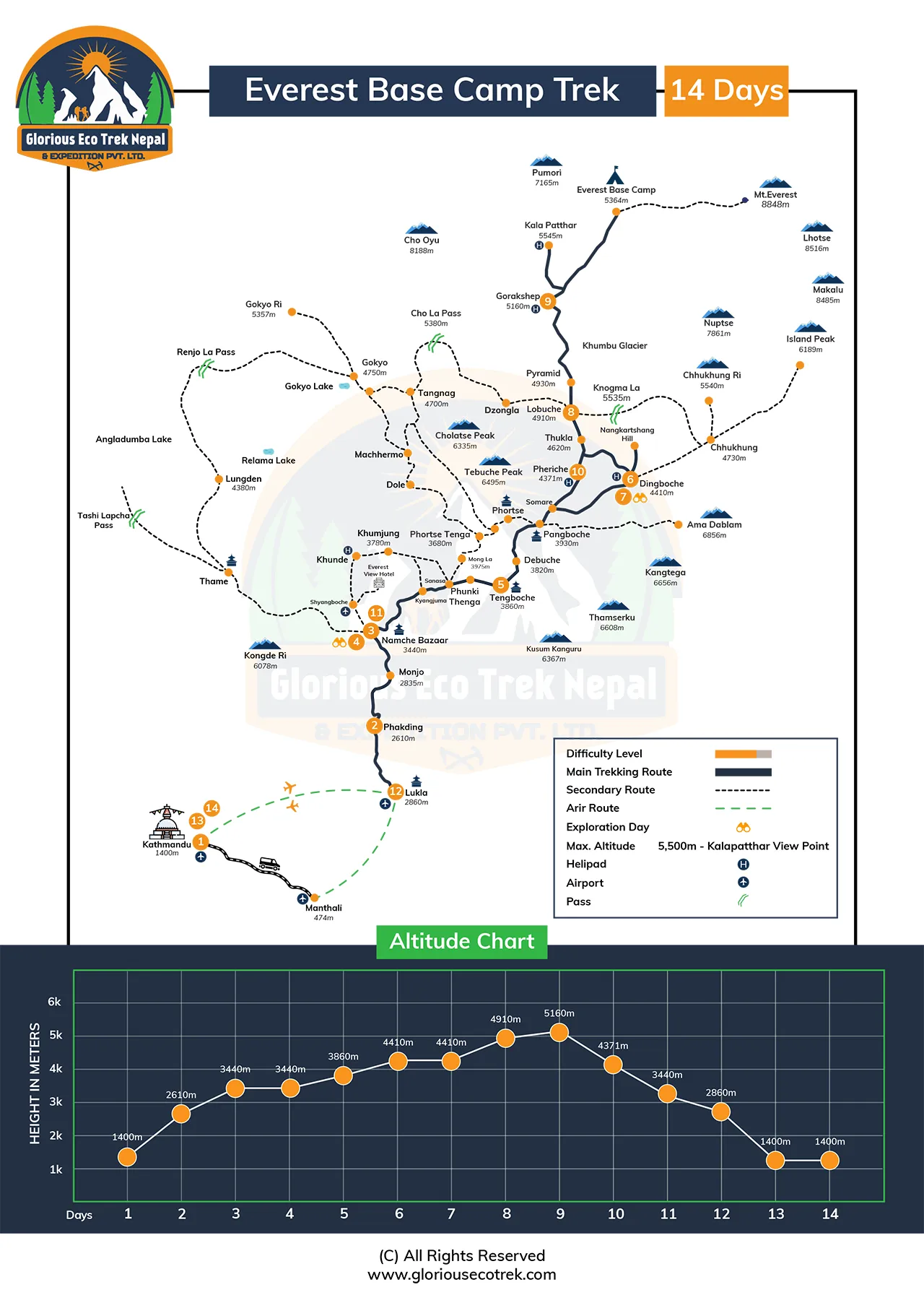
Everest Base Camp Trek – 14 Days route map
Price starts
US$ 1728
1390 US$
We offer group discount
-
1 -
1 person
US$ 1590
-
2 -
2 people
US$ 1390
-
3 -
6 people
US$ 1350
-
7 -
10 people
US$ 1290
-
11 + people
9999
US$ 1190
US$ 1590
- Best price guarantee
- Secure & easy online booking
- Flexible booking dates

Need Help?
Talk to travel expert
 Excellent
Overview and Highlights of Everest Base Camp Trek – 14 Days
Everest Base Camp Trek is one of the most exciting adventures in the Himalayas. It takes you to the base of the world’s tallest mountain, Mount Everest, which stands at 5,364 meters. This journey gives you a chance to see breathtaking mountain views, explore local Sherpa culture, and enjoy a great sense of accomplishment. The trek is planned in a way that gives your body time to adjust to the altitude, making the hike safer and more comfortable. One of the most unforgettable moments is the early morning hike to Kala Patthar (5,545 meters), where you can see amazing views of Everest, Lhotse, Nuptse, and many other snowy peaks.
The trek follows a classic trail through the Khumbu region. You’ll start by walking through green forests and farmland and then move into high mountain landscapes with rocky paths and glaciers. Some highlights along the way include long suspension bridges, fast-flowing rivers, and the impressive Khumbu Glacier. Important stops include Namche Bazaar, the lively village in the heart of the Khumbu; Tengboche Monastery, known for its peaceful setting and mountain views; and touching memorials that remember those who climbed Everest in the past.
Your adventure begins with a scenic 45-minute flight from Kathmandu to Lukla, a small mountain airport at 2,840 meters. From Lukla, you’ll begin your walk to Phakding and then on to Namche Bazaar. This town is known as the “gateway to Everest” and is where you’ll spend time resting and adjusting to the higher elevation. As you continue the trek, you’ll pass through places like Tengboche, Dingboche, and Lobuche, where the scenery becomes more dramatic and rocky.
The most exciting parts of the trek are reaching Everest Base Camp and climbing Kala Patthar for sunrise. These moments offer jaw-dropping views and a feeling of pure joy. After that, you’ll follow the same trail back to Lukla and take a flight to Kathmandu, ending your trip with incredible memories and a once-in-a-lifetime experience.
Trip Highlights
-
Visit Syangboche Airstrip for stunning views of Everest and nearby peaks.
-
Experience Sherpa culture and warm hospitality in traditional mountain villages.
-
Stand at the base of Mount Everest, the world’s highest peak.
-
Enjoy views of Lhotse, Cho Oyu, Makalu, and other Himalayan giants.
-
Trek through Sagarmatha National Park, a UNESCO World Heritage Site.
-
See prayer flags, Mani walls, and cross thrilling suspension bridges.
-
Spot Himalayan wildlife and colorful alpine flowers.
-
Visit Tengboche Monastery, the spiritual heart of the Everest region.
-
Witness the mighty Khumbu Glacier up close.
-
Climb Kala Patthar for a breathtaking sunrise over Everest.
Itinerary Overview of Everest Base Camp Trek – 14 Days
Your Everest Base Camp journey starts when you arrive in Kathmandu. Our team member will be there to greet you at the airport and take you to your hotel for check-in and rest.
The next day, you’ll meet your trekking guide, who will give you a full briefing about the trip. You’ll do any last-minute shopping and get your trekking gear ready. We’ll provide important items like duffle bags, sleeping bags, down jackets, and a trek map.
On the third day, you’ll fly to Lukla, a small mountain airport. During busy seasons, flights may leave from Manthali Airport instead of Kathmandu. After landing, you’ll meet your porter, who will carry your heavy bag, and start walking toward Phakding.
The first day of trekking is easy, with scenic paths through villages like Chheplung and Ghat, and alongside the Dudh Koshi River. You’ll spend the night at a tea house in Phakding.
The next day, you’ll trek to Namche Bazaar, crossing suspension bridges and stopping at Monjo, where your permits will be checked. The final climb to Namche is tough, but the reward is a beautiful Sherpa town where you’ll stay for two nights to rest and acclimatize.
During your rest day in Namche, you’ll hike to Syangboche and the Everest View Hotel, with fantastic views of Everest, Lhotse, Ama Dablam, and more. You can also visit the Sherpa Culture Museum and explore the local shops.
From Namche, you’ll trek to Tengboche, home to a famous Buddhist monastery. The trail has ups and downs but offers stunning mountain views. You’ll have time to visit the monastery and enjoy the peaceful setting.
Next, you’ll walk to Dingboche, passing through Deboche and Pangboche. At 4,340 meters, Dingboche is one of the highest villages in the region. You’ll spend another acclimatization day here and hike up to Nangkartshang Hill for amazing views of Makalu, Cho Oyu, Lhotse, and Ama Dablam.
Then you’ll trek to Lobuche, passing Thukla Pass, where memorials stand for climbers who lost their lives on Everest. You’ll stay overnight in Lobuche.
The next day, you’ll reach Gorakshep, rest briefly, and then hike to Everest Base Camp. This is the highlight of the trek. You’ll celebrate your achievement, take photos with the EBC rock, and enjoy the views before walking back to Gorakshep for the night.
In the early morning, you’ll hike up to Kala Patthar for sunrise. From here, you can see the best views of Mount Everest and nearby peaks. After that, you’ll trek down to Pheriche.
Over the next couple of days, you’ll return to Lukla by the same route. After one last night in Lukla, you’ll fly back to Kathmandu, where your trip ends.
Everest Base Camp Trek – 14 Days Itinerary

Day 01: Arrival in Kathmandu (1,400 m / 4,593 ft), Tribhuvan International Airport
After you land at Tribhuvan International Airport, one of our friendly Glorious Eco Trek Nepal representatives will be eagerly waiting to receive you. They’ll be holding a pamphlet with our company logo and your name so you can spot them easily. You’ll be welcomed with a warm greeting and a traditional marigold (flower) garland to honor your arrival.
From the airport, a private company vehicle along with your guide will be ready to transfer you comfortably to your hotel in Kathmandu. After reaching the hotel and arranging your luggage, you’ll have some time to settle in and rest.
Once you’re refreshed, you’ll meet your trekking guide for a short but detailed briefing. During this session, you’ll learn about the Everest Base Camp trek, the daily schedule, safety guidelines, and helpful tips to make your journey smooth and enjoyable.
Later, you can explore the colorful streets of Thamel, Kathmandu’s famous tourist hub. You may browse local shops, enjoy authentic Nepali cuisine, or simply soak in the lively atmosphere before your adventure to the Everest region begins.
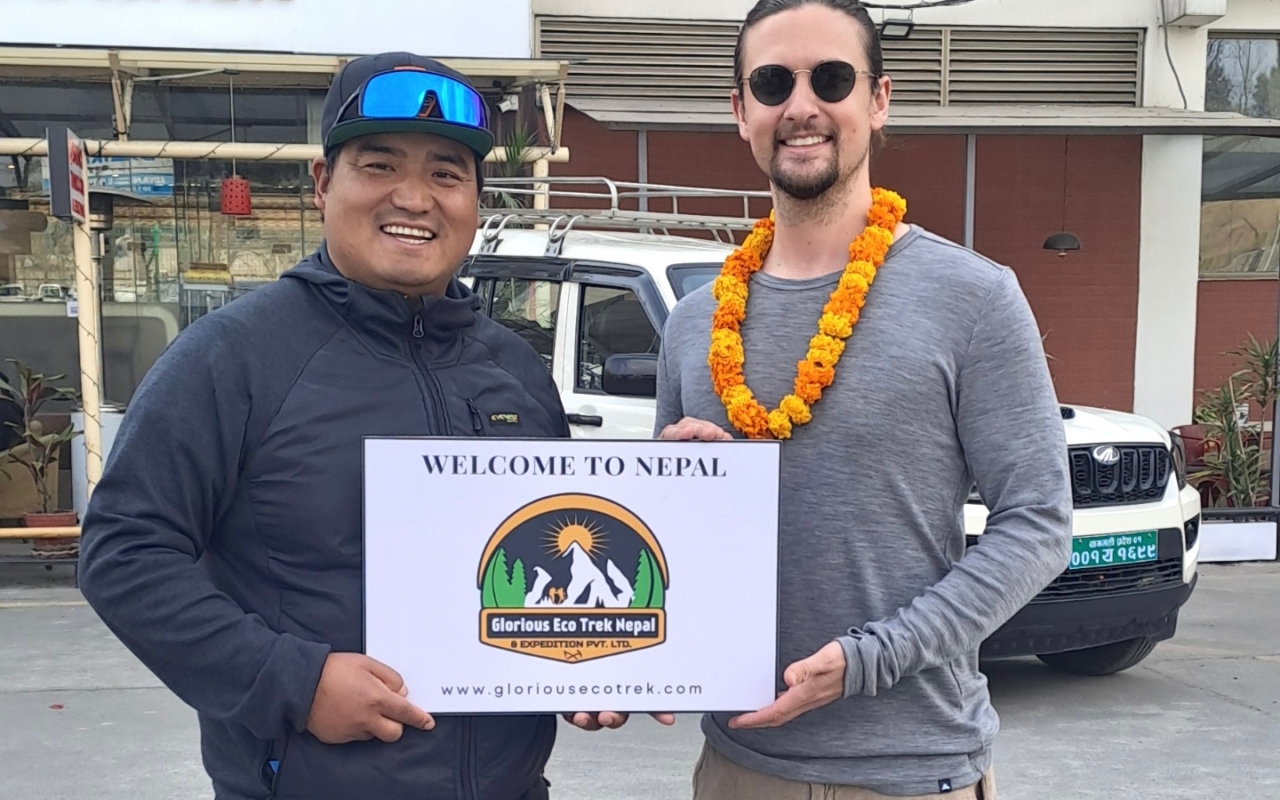
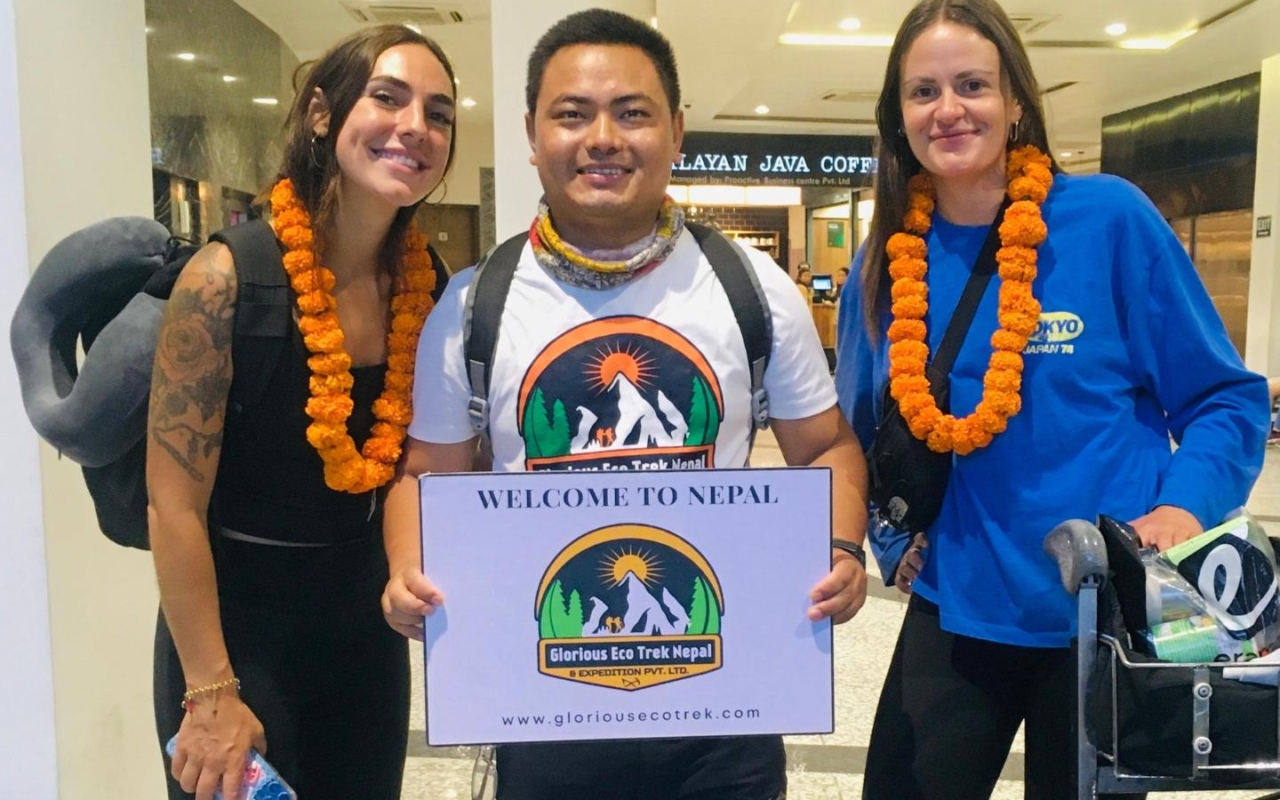
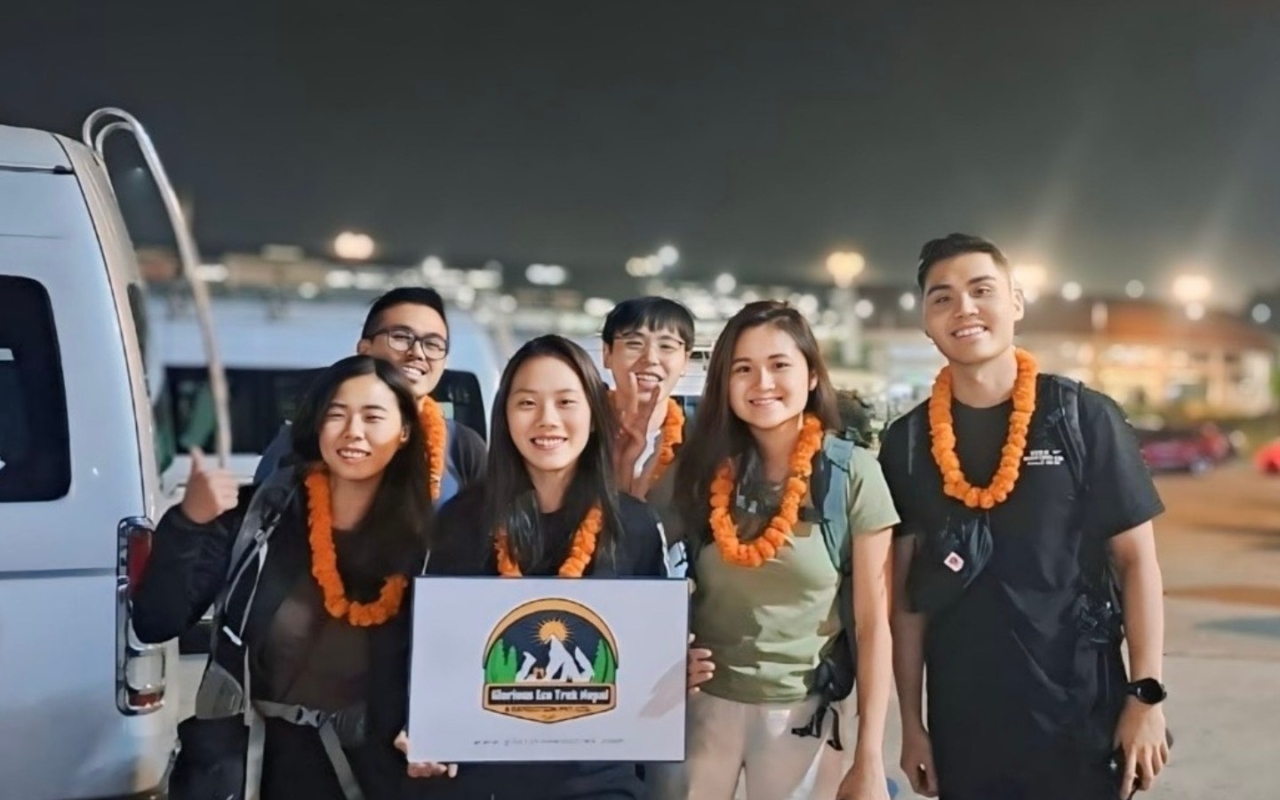

Activity: 20 - 25 mins drive

Max. Altitude: 1,400m/4,593ft. (Kathmandu)

Meal: Breakfast

Accommodation: 3 Star Hotel
Note: Everest Base Camp Trek is one of the most exciting adventures in the Himalayas. It takes you to the base of the world’s tallest mountain, Mount Everest, which stands at 5,364 meters.
Day 02: Fly to Lukla (2,850 m / 9,350 ft), Trek to Phakding (2,652 m / 8,699 ft)
We leave early in the morning for the flight to Lukla. The short flight offers beautiful mountain views and gives you your first real sense of the Himalayas.
During busy months like March to May and October to November, flights sometimes take off from Ramechhap instead of Kathmandu. If that happens, we will drive from Kathmandu to Ramechhap around midnight to reach Manthali Airport in time for the morning flight.
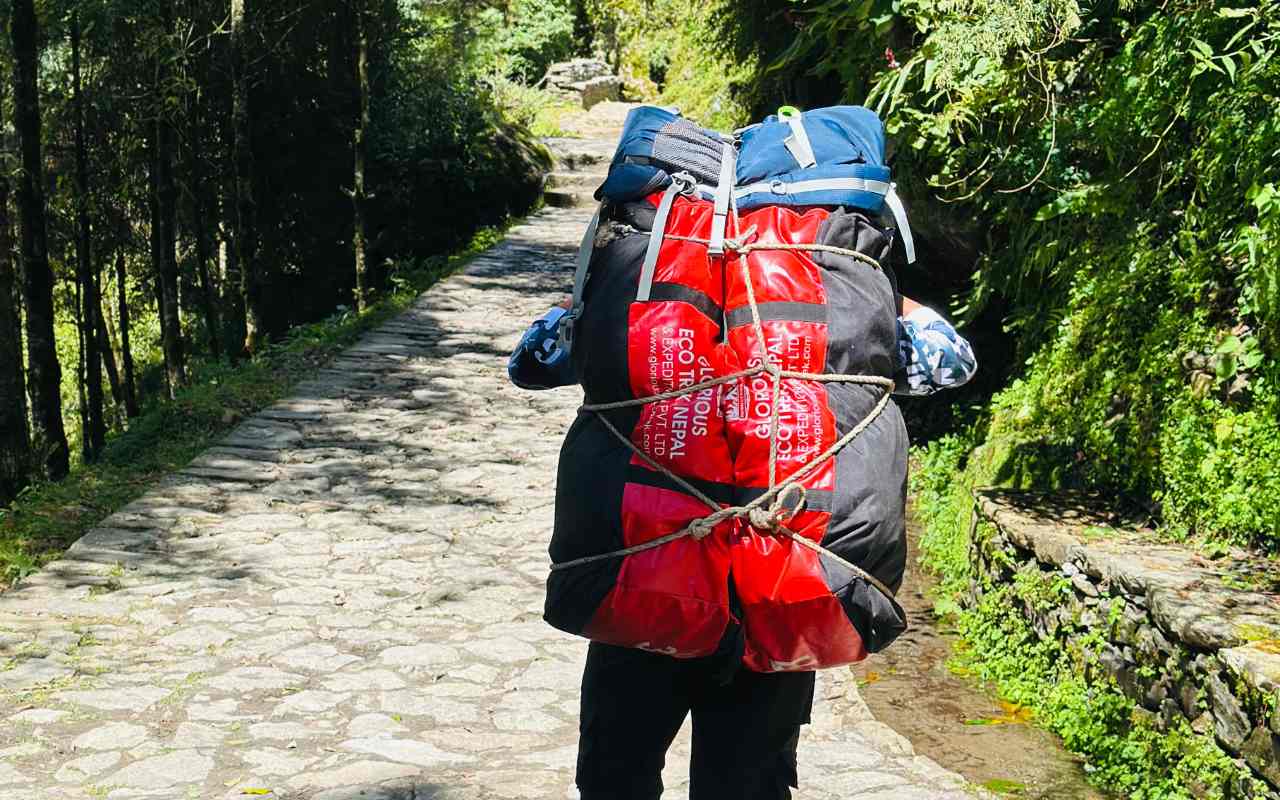
After landing in Lukla, we meet our porters and start walking. The trail passes through Chaurikharka village and goes down toward the Dudh Koshi River. On the way, you can see prayer walls, spinning wheels, and pine forests. It’s a peaceful walk with the sound of the river beside you.
After about three to four hours, we reach Phakding, a quiet Sherpa village by the river. You can rest, take a short walk around the village, or visit Rimishung Monastery before dinner.
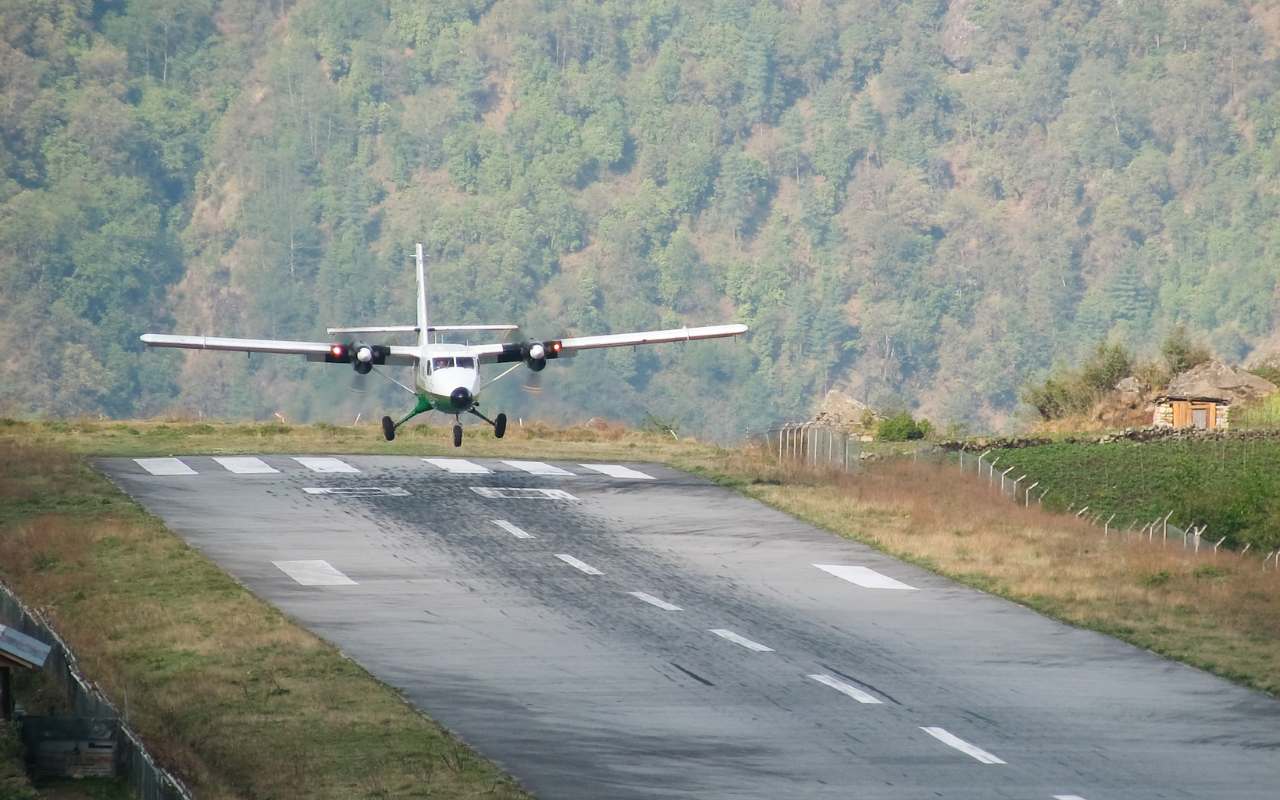


Duration: 3 - 4 hours
Activity: 35 mins flight

Distance: 6.2km/3.8miles
Max. Altitude: 2,850m/9,350ft. (Lukla)
Meal: Breakfast, Lunch, Dinner
Accommodation: Lodges/Tea House
Note: Flights to and from Lukla can be delayed or canceled because of changing weather conditions. It’s a good idea to keep at least one extra day in your schedule before or after the trek.
Day 03: Trek from Phakding to Namche Bazaar (3,440 m / 11,286 ft)
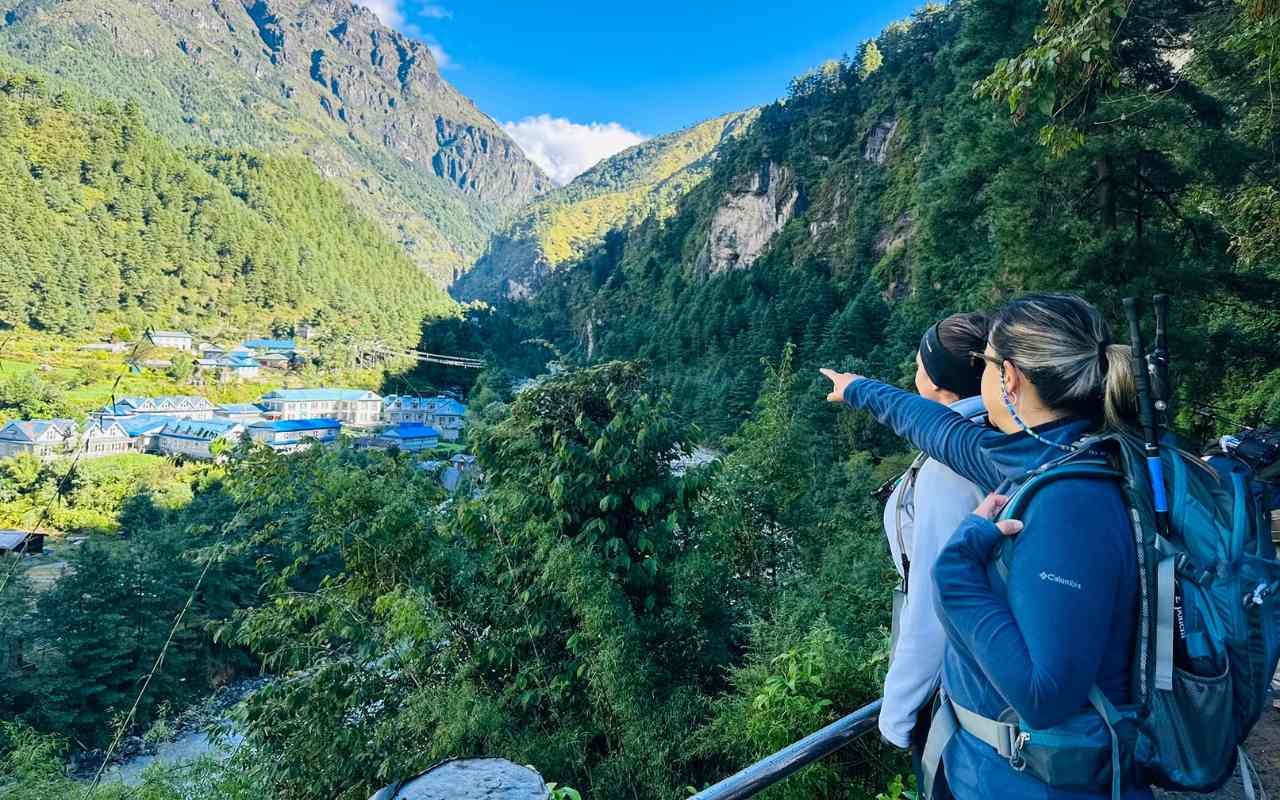
After breakfast, we start walking along the Dudh Koshi River, crossing several hanging bridges, including the famous Hillary Suspension Bridge. The trail passes through small Sherpa villages such as Tok Tok, Benkar, and Monjo, with beautiful views of waterfalls and green hills.
At Monjo, we enter Sagarmatha National Park, a UNESCO World Heritage Site. Here, our Everest Base Camp permits will be checked before we continue the climb. From this point, the path becomes steeper and winds through pine and rhododendron forests. With each step, the scenery grows more impressive.
After a long uphill walk, we finally reach Namche Bazaar, the main trading town of the Khumbu region. Namche is lively, with shops, bakeries, cafes, and gear stores. From here, you can see the peaks of Kongde Ri and, on a clear day, your first glimpse of Mount Everest.


Duration: 6-7 hours
Distance: 7.4km / 4.6 miles
Max. Altitude: 3,440m/11,286ft. (Namche Bazaar)
Meal: Breakfast, Lunch, Dinner
Accommodation: Lodges/Tea House
Day 04: Acclimatization Day in Namche Bazaar
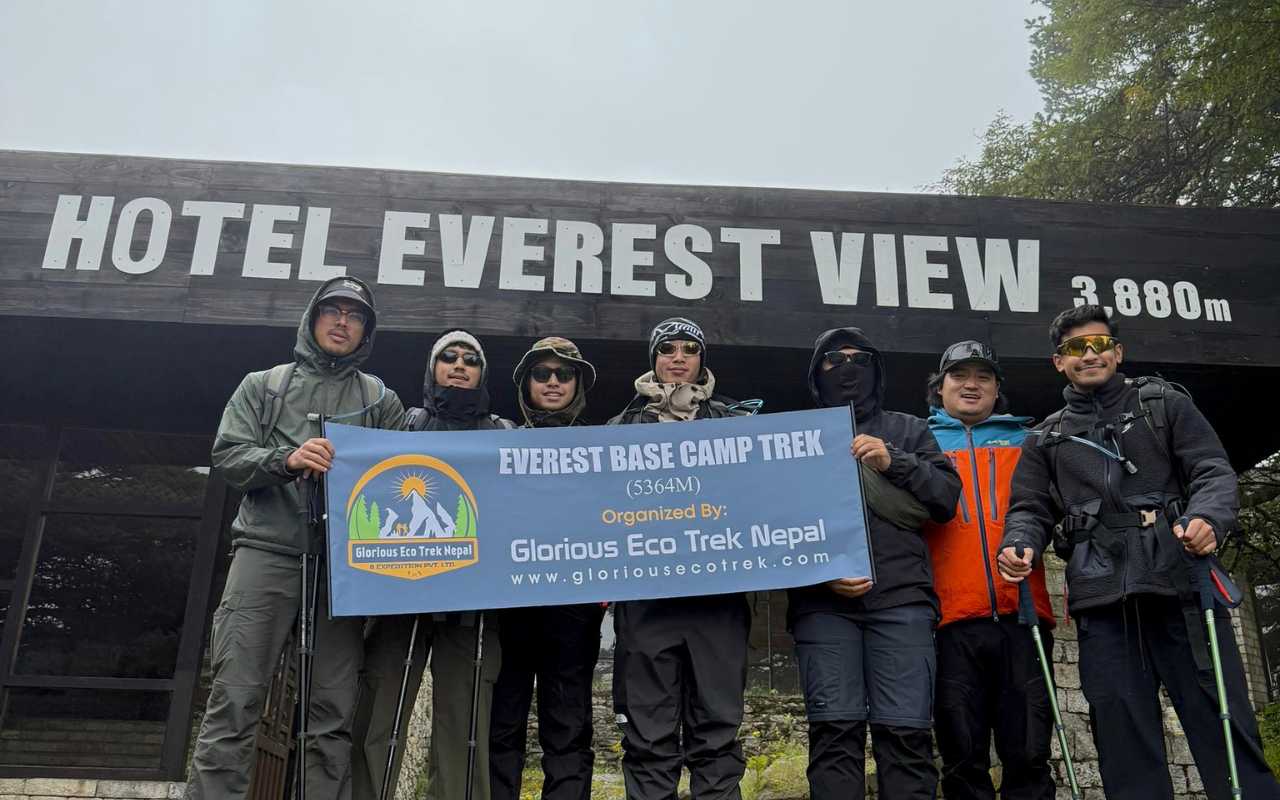
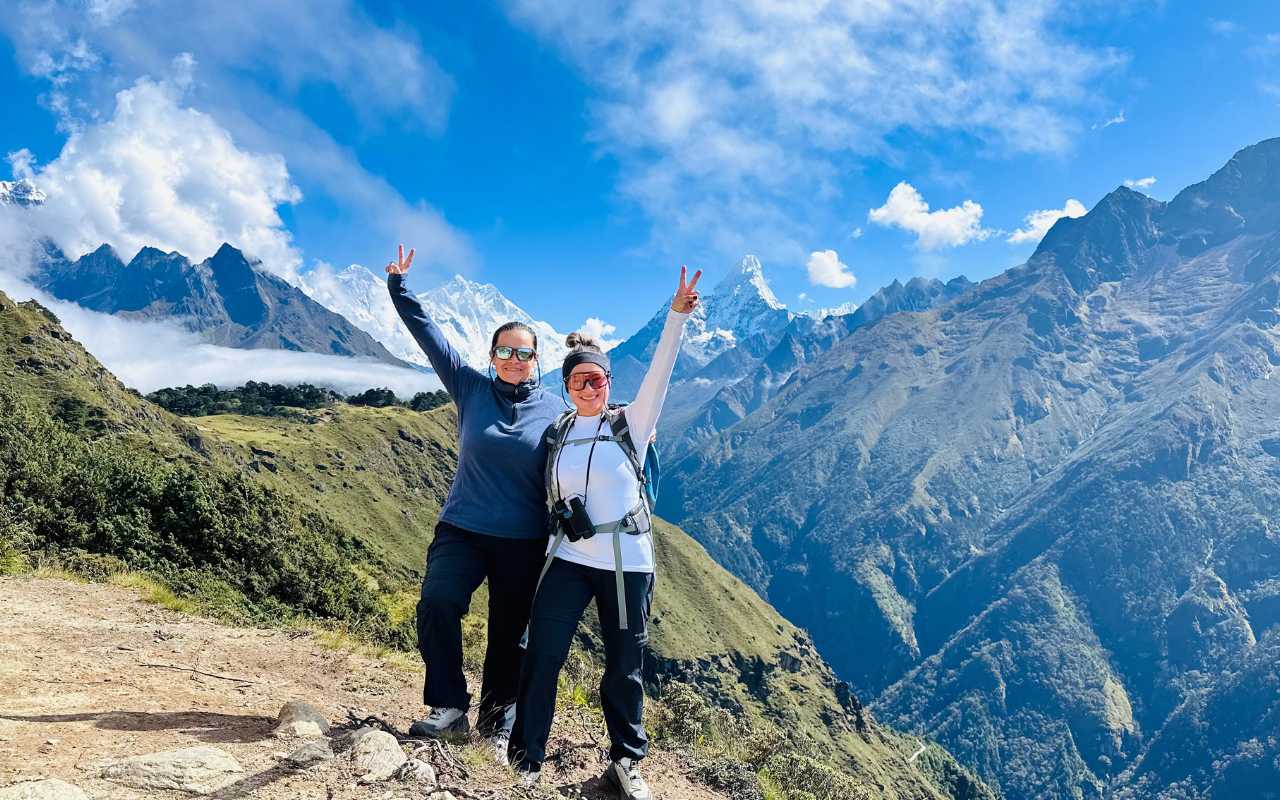
Today is a rest day to help your body adjust to the altitude. After breakfast we walk up to the Everest View Hotel at 3,880 meters where you can see Mount Everest, Ama Dablam, Lhotse, and Thamserku. The walk is short but helps your body adapt while you enjoy beautiful mountain views. You can also visit the Sherpa Culture Museum and the Everest Photo Gallery to learn more about local life and climbing history. If it is a market day, you can visit the busy Namche Bazaar market where local people from nearby villages come to trade goods.
In the afternoon take it easy. Drink plenty of water, rest, or relax at a café and enjoy the view. This acclimatization day helps prevent altitude sickness and prepares you for the higher trails ahead. If you ever think about what if we get sick during trek, our guides are trained in first aid and carry medical supplies. In case of any serious problem, we arrange a quick descent or helicopter evacuation to make sure you stay safe.

Duration: 3-4 Hours
Distance: 3-4 Km
Max. Altitude: 3,880m/12,730ft. (Hotel Everest View )
Meal: Breakfast, Lunch, Dinner
Accommodation: Lodges/Teahouse
Day 05: Trek from Namche Bazaar to Tengboche (3,860 m / 12,660 ft)
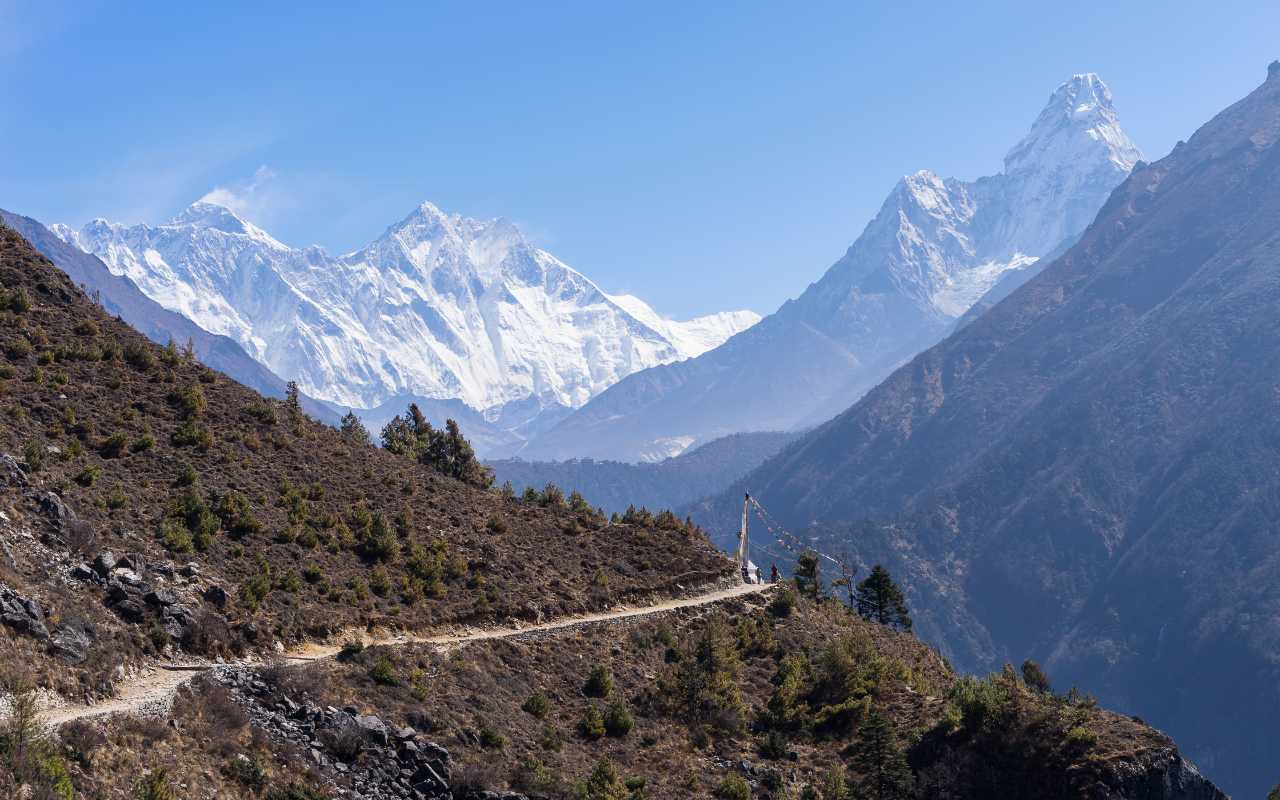
After breakfast we start walking towards Tengboche. The trail is gentle at first and offers wide views of Everest, Lhotse, Nuptse and Ama Dablam. As we leave Namche, we walk past prayer flags and stone paths that lead through pine and rhododendron forests. Sometimes we see musk deer, mountain goats and colorful pheasants along the way. After a few hours we walk down through the forest to Phunki Tenga, a quiet place by the Dudh Koshi River where we stop for lunch.
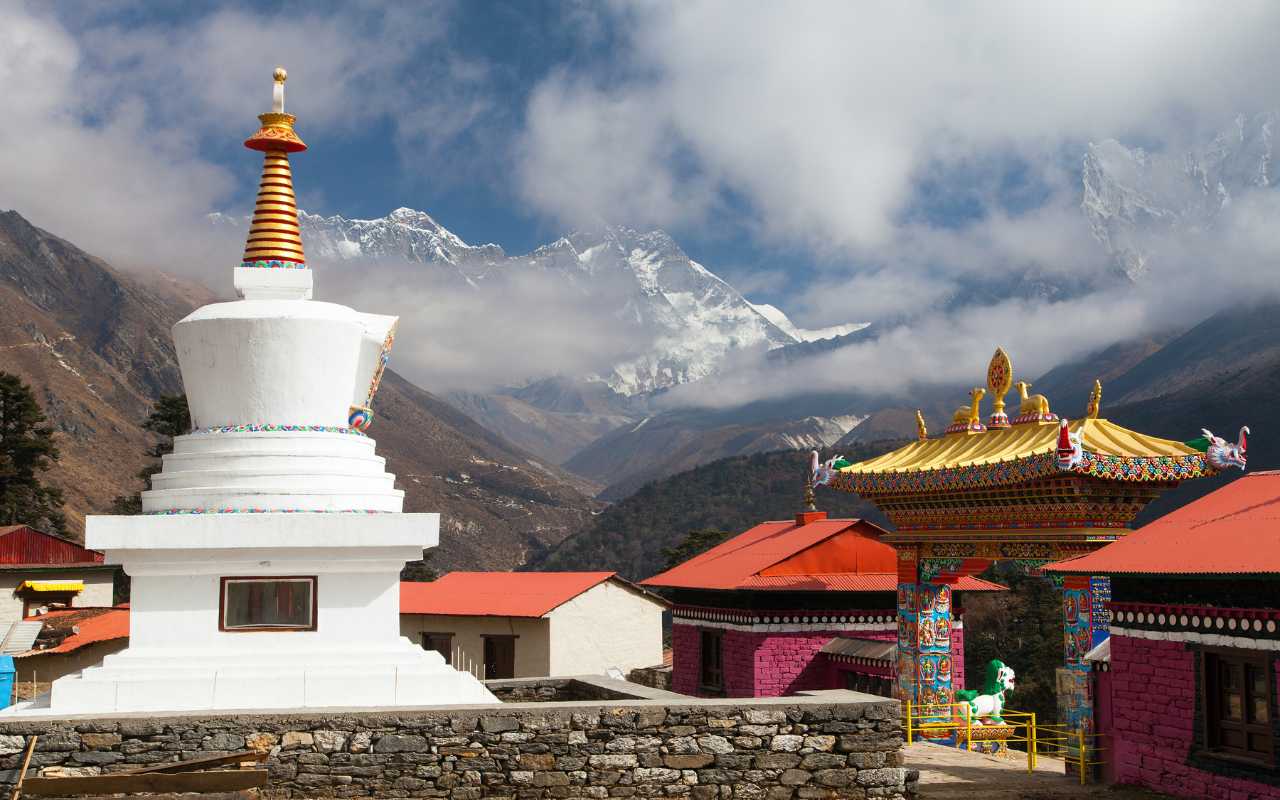
After lunch the trail climbs steeply to Tengboche. It is a slow and steady walk uphill, but the mountain views keep us motivated. When we reach the top, we arrive at the beautiful Tengboche Monastery, the largest monastery in the Everest region. The setting is peaceful and surrounded by snowy peaks. In the evening we can visit the monastery and listen to the monks chanting prayers, a calm and special moment in the Himalayas.
Duration: 5 - 6 hours
Distance: 10 - 11km / 6-7 miles
Max. Altitude: 3,860m/12,664ft. (Tengboche)
Meal: Breakfast, Lunch, Dinner
Accommodation: Lodges/Tea House
Trekker Tip: Dress modestly and remove shoes when entering the monastery. Consider donating to support the monks’ daily rituals.
Day 06: Trek from Tengboche to Dingboche (4,410 m / 14,464 ft)
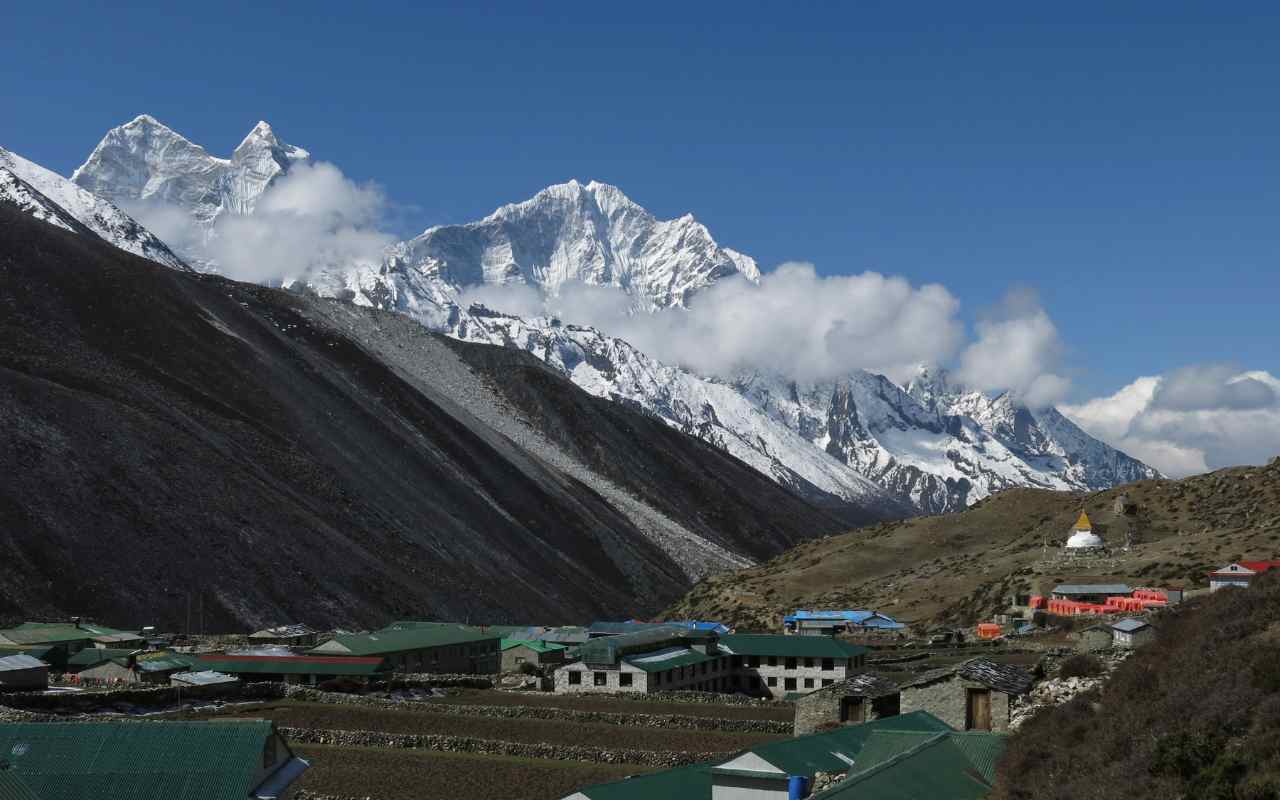
After breakfast we start walking down through rhododendron and fir forests towards Debuche. The trail is peaceful with sounds of birds and the river below. We cross a suspension bridge over the Imja Khola and then climb gradually to Pangboche, a beautiful Sherpa village at 3,985 meters. Pangboche is the highest permanent village in the area and has one of the oldest monasteries in the Khumbu region.
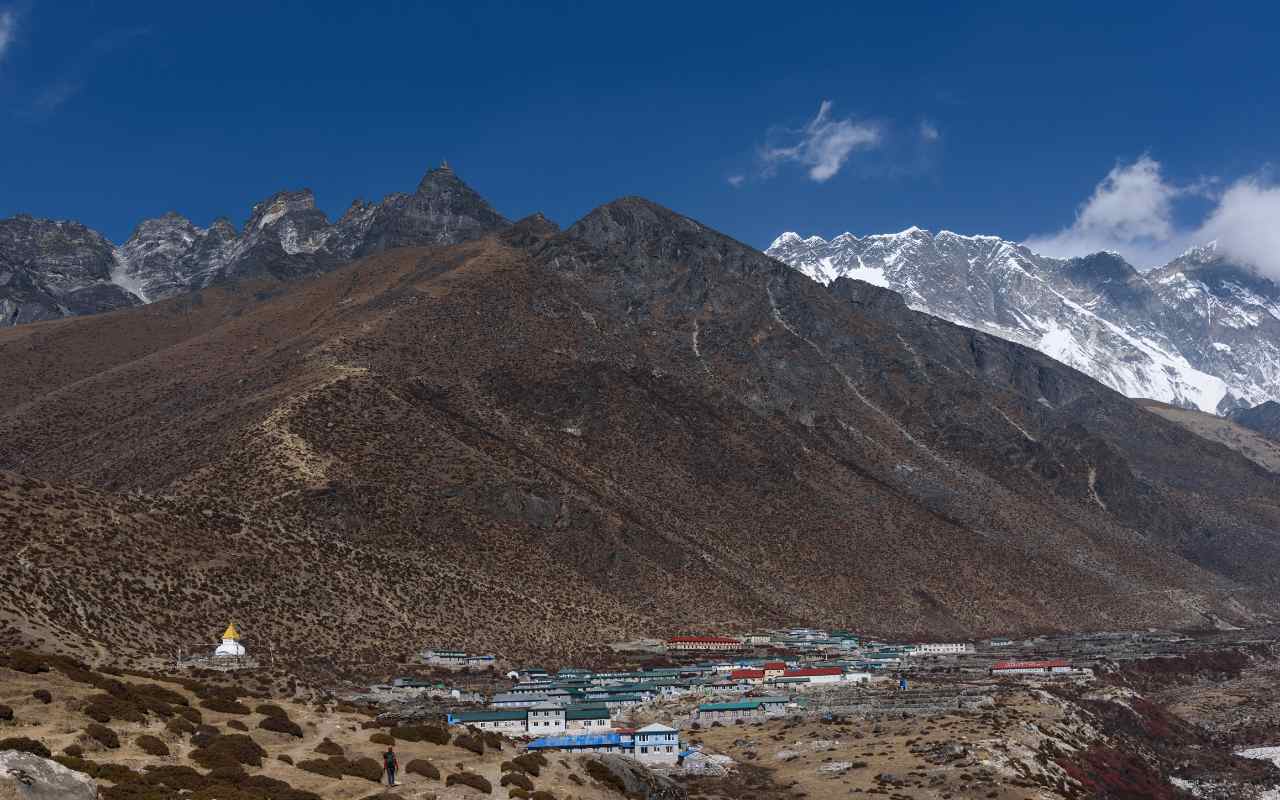
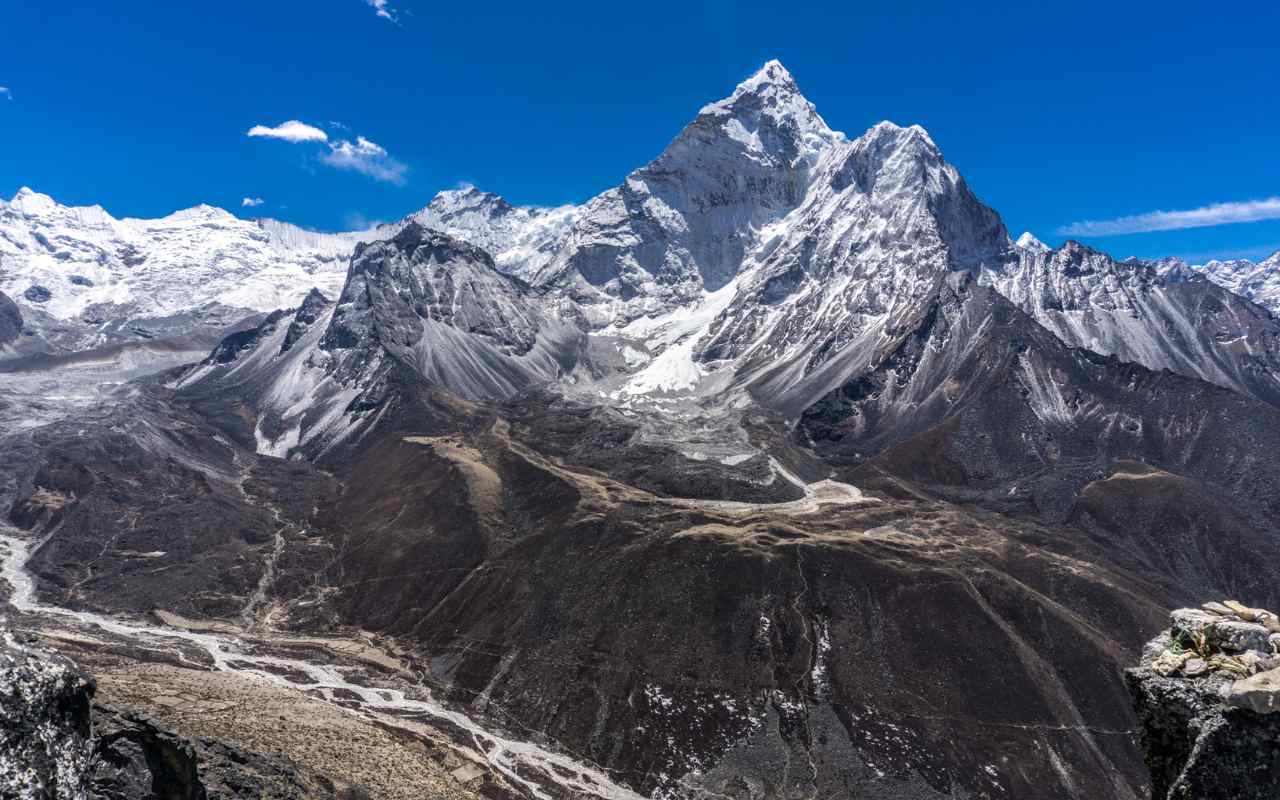
Beyond Pangboche the landscape changes as trees become fewer and the ground turns into open alpine meadows. We pass stone walls, prayer carvings and small chortens along the trail. As we get closer to Dingboche, the path becomes easier with wide views of the valley. Fields of barley and potatoes are protected by stone fences and yaks can often be seen grazing nearby. Dingboche sits in a sunny valley with amazing views of Ama Dablam and Island Peak. The village has cozy teahouses and bakeries, a great place to rest and enjoy the calm mountain setting.
Duration: 5 - 6 hours
Distance: 11 - 12km / 7 miles
Max. Altitude: 4,410m/14,469ft. (Dingboche)
Meal: Breakfast, Lunch, Dinner
Accommodation: Lodges/Tea House
Trekker Tip: Drink plenty of fluids, move slowly, and avoid alcohol to reduce the risk of altitude sickness.
Day 07: Acclimatization Day in Dingboche (4,410 m / 14,464 ft)
Today we stay in Dingboche to help our bodies adjust to the higher altitude. After breakfast we take a short but steep hike up to Nagerjun Hill, a ridge just above the village. The walk takes about three to four hours in total. It can be tiring, but the views from the top are worth it. On a clear day you can see Makalu, Lhotse, Ama Dablam and even Cho Oyu in the distance. This hike helps your body adapt by climbing high and sleeping low, which reduces the chance of altitude sickness.
After returning to Dingboche we rest and enjoy lunch. The afternoon is free to relax, drink plenty of water or explore the village. You can spend time at a local bakery, read a book or chat with other trekkers. Some teahouses offer Wi-Fi and charging facilities for a small fee. Dingboche even has satellite internet, making it one of the highest villages in the world with online access.
Duration: 4 - 5 hours
Distance: 5 - 6 km
Max. Altitude: 5,083m/16,677ft. (Nangkartshang Hill)
Meal: Breakfast, Lunch, Dinner
Accommodation: Lodges/Tea House
Fun Fact: Dingboche has a functioning satellite internet system, making it one of the highest villages with internet access in the world.
Day 08: Trek from Dingboche to Lobuche (4,910 m / 16,105 ft)
After breakfast we start walking up from Dingboche toward Lobuche. The trail climbs gently through open alpine land with views of Taboche and Cholatse. After a few hours we reach Dughla, a small place where most trekkers stop for lunch. From here the trail becomes steeper as we climb to Thukla Pass. Along the way you will see stone memorials built in memory of climbers and Sherpas who lost their lives on Everest. It is a quiet and emotional part of the journey that reminds us of the strength and courage of those who faced the mountain.
After spending a few moments at the memorials, we continue along the rocky path beside the Khumbu Glacier until we reach Lobuche. The air feels colder and thinner as we gain height, so it is best to walk slowly and stay hydrated. Lobuche is a small village with simple teahouses surrounded by tall peaks. The night is usually cold, and some trekkers may start to feel the effects of altitude here.
Duration: 5 - 6 hours
Distance: 11 - 12km / 7 miles
Max. Altitude: 4,910m/16,109ft. (Lobuche)
Meal: Breakfast, Lunch, Dinner
Accommodation: Lodges/Tea House
Trekker Tip: Keep your body warm, stay hydrated, and report any symptoms like headaches, dizziness, or loss of appetite to your guide.
Day 09: Trek from Lobuche to Everest Base Camp (5,364 m), Return to Gorak Shep (5,180 m)
Today is one of the most exciting days of the trek. We start early and follow the trail along the Khumbu Glacier towards Gorak Shep, the last village before Everest Base Camp. The walk is slow and steady over rocky ground with views of tall peaks all around. After reaching Gorak Shep, we leave our bags at the teahouse and continue towards Base Camp carrying only what we need. The path is uneven and can feel hard because of the thin air, but the sense of adventure keeps everyone going.
After about two to three hours we reach Everest Base Camp, the foot of the highest mountain in the world. During climbing season the area is filled with colorful tents of expedition teams. Even though the summit is not visible from here, the place itself feels powerful and full of life. We take time to enjoy the view, take photos and celebrate this special moment together. Later we return to Gorak Shep for dinner and a well-earned rest.
Duration: 8 - 9 hours
Distance: 14 - 15km/ 9 miles
Max. Altitude: 5,364m/17,598ft. (Everest Base Camp)
Meal: Breakfast, Lunch, Dinner
Accommodation: Lodges/Tea House
Did You Know? The Khumbu Icefall, visible from EBC, is cosidered one of the most dangerous sections of the Everest ascent route.
Day 10: Hike to Kala Patthar (5,545 m / 18,192 ft), then Trek to Pheriche (4,240 m / 13,911 ft)
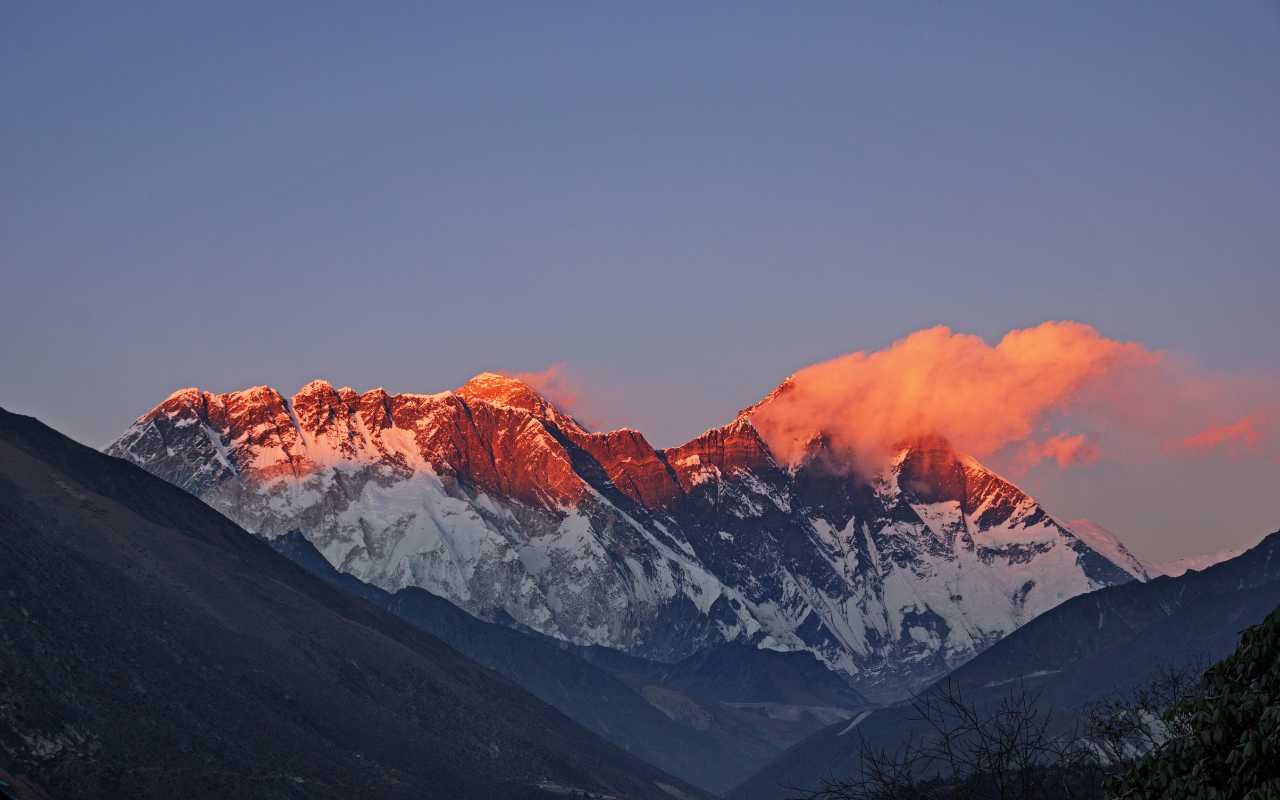
We start very early today, often before sunrise, to climb Kala Patthar. The trail is steep and slow, but reaching the top is worth every step. From here, you get the best close-up view of Mount Everest, along with Nuptse, Changtse, and other nearby peaks. Watching the first light of day touch the summit of Everest is a powerful and emotional experience for many trekkers. After enjoying the views and taking photos, we walk back down to Gorak Shep for breakfast.
After breakfast we begin the long descent toward Pheriche. The walk feels easier as we go lower and the air becomes thicker. We follow the same trail back past Lobuche and Dughla before turning toward Pheriche. The village sits in a wide, windy valley and feels much warmer compared to the high camps. It is a quiet place where many trekkers stop to rest after visiting Everest Base Camp.
Duration: 8 - 9 hours
Distance: 14 - 15km/ 9 miles
Max. Altitude: 5,555m/18,225ft. (Kala Patthar)
Meal: Breakfast, Lunch, Dinner
Accommodation: Lodges/Tea House
Trekker Tip: Descending quickly can cause knee strain use trekking poles and take breaks when needed.
Day 11: Trek from Pheriche to Namche Bazaar (3,440 m / 11,286 ft)
Today we have a long but enjoyable walk as we head back toward Namche. The trail passes through open alpine meadows and then into rhododendron forests that become greener with every step. We walk past Pangboche, Debuche, and Tengboche, where you can stop again to see the monastery or rest for a while. From Tengboche the path drops steeply to Phunki Tenga and then climbs gently through pine trees toward Kyangjuma.
As we get closer to Namche, the air feels richer and breathing becomes easier. The familiar path and warmer weather make the walk more relaxed. Reaching Namche Bazaar feels like returning home after a great journey. You can enjoy a warm shower, visit a bakery, or simply rest at the lodge and celebrate how far you have come.
Duration: 7 - 8 hours
Activity: 6–7 hours trek
Distance: 14 - 15km/ 9 miles
Max. Altitude: 3,440m/11,286ft. (Namche Bazaar)
Meal: Breakfast, Lunch, Dinner
Accommodation: Lodges/Tea House
Optional Treat: Celebrate your Everest Base Camp Trek success with a fresh pastry or pizza from one of Namche’s cozy cafes!
Day 12: Trek from Namche Bazaar to Lukla (2,840 m / 9,317 ft)
This is the last day of walking. The trail goes down sharply at the beginning, crossing several bridges over the Dudh Koshi River. The forest looks greener and the air feels warmer as we lose height. We pass through Monjo, Phakding, and small Sherpa villages with prayer flags, fields, and stone houses along the way.
By afternoon we reach Lukla. It feels good to be back where the journey started. Everyone is tired but happy. In the evening we have dinner with our guides and porters, share stories from the trek, and enjoy the last night together in the mountains.
Duration: 7 - 8 hours
Distance: 18 -19km / 11 miles
Max. Altitude: 2,840m/9,318ft. (Lukla)
Meal: Breakfast, Lunch, Dinner
Accommodation: Lodges/Tea House
Day 13: Fly from Lukla to Kathmandu (1,400 m / 4,593 ft)
If the weather is clear, we take an early morning flight from Lukla to Kathmandu. The short flight offers beautiful mountain views, so try to get a window seat for one last look at the Himalayas. After landing, we head to the hotel where you can rest and freshen up.
The rest of the day is free. You can relax at the hotel, walk around Thamel, shop for souvenirs, or enjoy a meal at one of the local restaurants and cafes. Keep in mind that flights from Lukla often depend on weather, so it is wise to have at least one extra day in your schedule in case of delays.
Duration: 20 - 35min
Activity: Flight
Max. Altitude: 1,400m/4,593ft. (Kathmandu)
Meal: Breakfast
Accommodation: 3 Star Hotel
Day 14: Final Departure
After breakfast our team helps you get ready for your flight home. We arrange your transfer to Tribhuvan International Airport based on your flight time and make sure everything goes smoothly.
As you leave Kathmandu, take a moment to think about the journey you’ve just completed. The walk to Everest Base Camp, the mountains, the people, and the spirit of Nepal will stay with you for a long time. We wish you a safe flight and hope to see you again for another adventure in the Himalayas.
Meal: Breakfast
Note: If you wish to continue your journey after the Everest Base Camp trek, we can customize your travel plans. You can extend your stay in Nepal to visit places like Pokhara, Chitwan National Park, or Lumbini, or add short cultural tours and adventure activities. Let us know your interests, and we will design a trip that fits your time and preferences.

Note:
If you have a private group and prefer a personalized experience, we can organize a custom trip tailored to your requirements and group size, running it any day you choose.
 Price Includes
 Price Includes
 Price Excludes
 Price Excludes
What's included?

Transportation
- Round-trip flight tickets from Kathmandu or Manthali to Lukla and back
- Shared vehicle ride between Kathmandu and Manthali if needed (depending on the flight season)
- Private car pick-up and drop-off between Kathmandu Airport and your hotel

Meals
- Full meals included: 14 breakfasts, 13 lunches, and 14 dinners during the trek
- One main dish per meal from the available menu at each teahouse
- Clean drinking water tablets to make safe water
- Fresh seasonal fruits served daily

Accommodation
- Total 13 nights of comfortable stay during the trek
- 6 nights in rooms with attached bathrooms in Lukla, Phakding (2 nights), and Namche Bazaar (3 nights)
- 7 nights in standard lodges at Deboche (2 nights), Dingboche (2 nights), Lobuche, Gorakshep, and Pheriche

Guide and Porter
- Friendly, licensed English-speaking trekking guide to lead the group
- For groups with more than 12 people, there will be an assistant guide as well
- One porter for every two trekkers (porters can carry up to 18 kg total — 9 kg per person)
- All expenses like food, accommodation, insurance, transport, and salary for the guide and porters are covered

Trek permit and expenses
- Sagarmatha National Park entry fee
- Khumbu Pasang Lhamu Rural Municipality trekking permit
- All government taxes and paperwork included

Medical Assistance
- Basic first aid kit including an oximeter to check oxygen levels at high altitudes
- Help with arranging emergency helicopter rescue if someone gets seriously sick (must be covered by your own insurance)
What's not included?

International Flight
- The cost of your international flights to and from Nepal is not covered.

Accommodation
- Any hotel stays in Kathmandu before or after the trek are your own responsibility.
- If you arrive early, leave late, or return from the trek earlier than planned and need extra nights in Kathmandu, those costs are not included.

Food
- Meals in Kathmandu, before the trek starts and after it ends, are not part of the package.

Guide and Porter
- Tips for your guide and porter are not included but are recommended as a way to show appreciation.

Visa
- The Nepal tourist visa fee on arrival at Tribhuvan International Airport is not included.
- Visa fees depend on the duration: $30 for 15 days, $50 for 30 days, and $125 for 90 days.
Travel Insurance
- You must have your own travel insurance that covers emergency rescue and evacuation at high altitudes. This is mandatory.

Personal Expenses
- Costs like snacks, bottled water, tea or coffee, cold drinks, hot showers, Wi-Fi, phone calls, charging devices, buying extra porter help, shopping, and other personal things are not included.
- Also, personal clothing and trekking gear you need to bring yourself are not part of the package.
Departure Dates
 Group Joining
 Group Joining
 Private Trip
 Private Trip
Starting Date
End Date
Availability
Starting Date
02 Mar 2026End Date
15 Mar 2026Availability
ConfirmedPrice
US$ 1390Starting Date
14 Mar 2026End Date
27 Mar 2026Availability
ConfirmedPrice
US$ 1390Starting Date
21 Mar 2026End Date
03 Apr 2026Availability
2 Spaces LeftPrice
US$ 1390Starting Date
05 Apr 2026End Date
18 Apr 2026Availability
ConfirmedPrice
US$ 1390Starting Date
15 Apr 2026End Date
28 Apr 2026Availability
ConfirmedPrice
US$ 1390Starting Date
04 May 2026End Date
17 May 2026Availability
ConfirmedPrice
US$ 1390Starting Date
13 May 2026End Date
26 May 2026Availability
ConfirmedPrice
US$ 1390
Note:
If you have a private group and prefer a personalized experience, we can organize a custom trip tailored to your requirements and group size, running it any day you choose.
Note: You will be able to add these addon while booking this trip.
Price starts
1728 US$
1390 US$
-
1 -
1 person
US$ 1590
-
2 -
2 people
US$ 1390
-
3 -
6 people
US$ 1350
-
7 -
10 people
US$ 1290
-
11 + people
9999
US$ 1190
Route Map & Altitude Chart
 Packing List for Everest Base Camp Trek
 Packing List for Everest Base Camp Trek
 For Everest Base Camp Trek, you’ll need the right clothes, gear, and equipment. We provide one porter for every two trekkers. Each porter can carry a maximum of 18 kg, so each person should keep their luggage around 9 kg.
Because one porter carries bags for two people, it’s best to share a big duffle bag (about 60 liters or more) with your trekking partner. Also, bring a small daypack (20 to 30 liters) to keep your important items like documents and valuables. Please check the packing list for the EBC Trek.

For Head
- Wide-brimmed hat for sun protection
- Warm beanie or wool hat
- Neck gaiter or buff to protect from sun and cold
- Small headlamp with adjustable light
- Sunscreen with high SPF
- Lip balm with sun protection
- Sunglasses with UV protection
- Face wipes to freshen up

For Upper Body
- Quick-dry t-shirts (both short and long sleeves)
- Thermal base layers for cold weather
- Warm fleece jacket and down jacket
- Light puffy jacket for extra warmth
- Waterproof and windproof jacket (like Gore-Tex)
- Raincoat for wet weather
- Light, breathable long-sleeve shirts
- Several pairs of polypropylene underwear

For Hands
- Warm gloves or mittens for cold days
- Waterproof gloves for rainy or wet conditions

For Lower Body
- Quick-drying trekking pants (convertible or full-length)
- Insulated pants for cold weather
- Lightweight cotton pants for comfort
- Thermal leggings or long underwear for warmth
- At least two pairs of thermal or trekking pants

For Footwear
- Wool or synthetic hiking socks (4 pairs)
- Waterproof, sturdy hiking boots with ankle support (already broken-in)
- Sandals for wearing at the camp or crossing rivers
- Gaiters to protect your boots from mud, water, and stones

Toiletries
- Biodegradable soap bar
- Toothbrush and toothpaste
- Medium towel for drying
- Wet wipes or hand sanitizer
- Toilet paper (keep in a ziplock bag)
- Feminine hygiene supplies (if needed)
- Travel-size shampoo
- Nail clippers
- Deodorant
- Small mirror

Accessories
- Adjustable and light trekking poles (collapsible preferred)
- Water bottle or hydration bladder (at least 2 liters, insulated if possible)
- Water purification method (tablets, filter, or UV purifier)
- Sleeping bag suitable for -10 to -15 degrees Celsius

Extra Items
- Camera or smartphone (with extra batteries or memory cards)
- Power bank or extra batteries for charging
- Two-pin charger adapter
- Basic first aid kit (band-aids, antiseptic wipes, painkillers, Diamox)
- Any personal medicines (like inhalers or allergy pills)
- Few passport-sized photos
- Photocopies of your passport
- Notebook and pen
- Binoculars (optional)
- Swiss army knife or multitool (with scissors and can opener)
Note: Fitness and Trip Preparation
If you have a private group and prefer a personalized experience, we can organize a custom trip tailored to your requirements and group size, running it any day you choose.
Trip Information
Arrival, Welcome, and Start of Trek
If you share your flight details with us before you arrive, our company representative will be waiting for you at Kathmandu airport with a sign showing your name.
You will be welcomed with a traditional Khada scarf or a marigold garland. Then, you will be taken to your hotel by private vehicle. If you want, we can help you choose a good hotel.
Accommodation During the Trek
You will stay for 13 nights in lodges or guesthouses during the trek. Most rooms are twin-sharing.
You’ll have rooms with private bathrooms in Lukla, Phakding (2 nights), and Namche (3 nights). In other places like Tengboche (2 nights), Lobuche, Dingboche (2 nights), Gorakshep, and Pheriche, rooms are standard without private bathrooms.
Most lodges have electricity for charging devices, Wi-Fi, and hot showers, but some may charge extra for these services.
Meals Provided on the Trek
You will get 14 breakfasts, 13 lunches, and 14 dinners during the trek. All meals include one main dish.
You can choose from Nepali dishes, Tibetan-style meals like momos and chowmein, and some Western food like pizza, burgers, or sandwiches. We suggest eating energy-rich foods like lentils (dal), rice (bhat), and vegetables (tarkari).
To stay healthy, drink plenty of fluids such as green tea, lemon tea, ginger tea, or garlic soup. Avoid meat, dairy, alcohol, caffeine, and hot chocolate to help your body adjust to the altitude.
Drinks like tea, coffee, soft drinks, and alcohol are not included and cost extra.
Luggage and Porter Service
We assign one porter for every two trekkers. Each porter can carry up to 18 kg, so your luggage should be about 9 kg.
We recommend sharing a large duffle bag (60 liters or more) with your trekking partner. You can leave extra luggage at your hotel or our store for free while you trek.
Facilities and Essentials
Water:
You can buy bottled water along the way, but we suggest using a refillable water bottle and filling it with boiled or filtered water to protect the environment. We can provide water purification tablets if you ask.
Communication:
You can buy a local SIM card in Kathmandu. However, phone signals may be weak at higher altitudes. Our office stays in contact with your trekking group through the guide daily and is ready to help if there is an emergency.
Important Travel Information
Visa:
Most foreign visitors (except Indians) need a visa to enter Nepal. You can get a visa on arrival at Kathmandu airport if you have a passport valid for at least 6 months, two passport-sized photos, and the visa fee. A 30-day visa costs about USD 50. Check the Nepal immigration website for updated details.
Travel Insurance:
Travel insurance is required and must cover health care and emergency helicopter evacuation up to 5,500 meters. Check with your insurance provider to make sure your plan covers helicopter rescue.
Currency Exchange:
1 USD equals about 133 Nepalese Rupees (NPR). Bring major foreign currencies like USD, GBP, or EURO to exchange in Kathmandu. You can also withdraw NPR from ATMs but expect some fees. If you have Indian Rupees, only INR 100 notes are accepted in Nepal.
Extra Costs:
You will need extra money for drinks, snacks, extra meals, souvenirs, and tips. On average, plan about USD 15 per day for personal expenses.
Everest Base Camp Facts
Height:
Everest Base Camp is at 5,364 meters (17,598 feet) above sea level. You can also hike to Kala Patthar (5,545 m) — the best spot for amazing views of Mount Everest.
Best Time to Trek:
- Spring (March–May) and Autumn (September–November) are the best seasons with clear skies and nice weather.
- In spring, temperatures can be 20°C during the day and -5°C at night.
- In autumn, it can reach 25°C in the day and drop to -10°C at night.
You can also trek in summer (June–August) and winter (December–February), but be aware:
- Summer has more rain and slippery trails, plus possible flight delays.
- Winter is very cold with possible heavy snow on trails.
Flight Delays to Lukla
Flights to Lukla may be delayed due to weather. If delayed, flights are rescheduled for the next available time. Helicopter flights are an option but costly ($500–$1,000 per seat). We recommend adding two extra days to your schedule to cover any delays.
Trek Difficulty
The Everest Base Camp trek is tough but doable with good fitness. You will walk 5 to 7 hours daily on steep, rocky trails with thin air. If you take your time to acclimatize, it’s a rewarding and unforgettable experience.
Preparation for Everest Base Camp Trek
Proper preparation is very important to enjoy and complete the Everest Base Camp trek successfully.
- Fitness: If you are not very fit, start cardio exercises like hiking, jogging, cycling, or swimming. These build endurance for long trekking days.
- Strength: Do strength training for your legs and core muscles. This helps with balance and walking on uneven, steep trails.
- Altitude Awareness: Learn about altitude sickness, how to acclimatize, and stay hydrated. Knowing symptoms of altitude sickness keeps you safe.
- Packing: Bring layered clothing to adjust to changing temperatures. Wear strong trekking boots, insulated gloves, and thermal wear to stay warm.
Mental preparation is just as important. Stay positive and determined, which will help you overcome tough parts of the trek and enjoy the journey more. Also, find this top 10 tips for everest base camp trek, this can be more helpful for you.
Acclimatization and Altitude Sickness
Altitude sickness can happen above 3,000 meters. Our trek plan includes important rest days in Namche Bazaar and Dingboche to help your body adjust to lower oxygen levels.
Our experienced staff know how to handle altitude sickness. Always walk at your own pace, follow acclimatization days, drink plenty of fluids, and listen to your guides.
Typical Day on the Everest Base Camp Trek
Every day, you will see amazing views, take photos, try local food, and explore mountain villages. Sherpa guides will tell you interesting stories about the places you visit. Porters carry your heavy bags, so you only carry a small daypack with valuables. Please get know the things to do during Everest Base Camp Trek.
- Trekking usually starts after breakfast around 7 or 8 am.
- Morning walk lasts 3 to 4 hours, then lunch and rest.
- After lunch, a shorter walk of about 2 hours takes you to the lodge for the night.
- You get snacks and some free time to relax or explore nearby.
- Dinner is served around 6 to 7 pm.
- After dinner, there is a briefing about the next day’s trek. You can also enjoy board games, watch documentaries, or learn some Nepali words.
Everest Base Camp Trip
Farewell Dinner
At the end of your trek, we will host a farewell dinner in Kathmandu to celebrate your achievement. You will also receive a trek completion certificate.
Departure
On your last day, we will take you to Tribhuvan International Airport in a private vehicle. Please share your hotel details and flight time so we can arrange your transfer smoothly. We hope to see you back in Nepal for more adventures!
Booking Your Everest Base Camp Trek
Safe and Official Bookings
We are a government-approved trekking company and members of official trekking organizations in Nepal.
To confirm your booking, pay a 10% advance through bank transfer, Wise, or our website (www.gloriousecotrek.com). After booking, send us your passport copy, photos, travel insurance, and flight details within a week.
You can pay the rest when you arrive in Nepal using cash, bank transfer, Wise, Western Union, or credit card. We will email you all payment options.
Private Treks
We only offer private treks. If your group is larger than 12, we add an assistant guide for extra support.
Last-Minute Bookings
If you want to book last minute, contact us with your documents and insurance ready. Full payment is required 24 hours before your departure date. Last-minute trips may face delays due to weather or accommodation limits. You can also read this blog about last minute booking for everest base camp trek, this might be helpful regarding this matter.
For last-minute queries, call at +977-9851098382 or email [email protected]
Flexible Schedule
Our package has fixed departure dates but can be adjusted to fit your needs. If the scheduled date doesn’t work, just let us know and we’ll arrange a trek on your preferred date.
Trip Extensions
If you want to stay longer in Nepal, we can help plan extra activities like sightseeing tours, jungle safaris, or other trekking trips.
Permits for Everest Base Camp Trek
You need two important permits for the trek:
- Sagarmatha National Park Permit:
This allows you to enter the protected Sagarmatha National Park, helping preserve the natural environment. - Khumbu Pasang Lhamu Rural Municipality Permit:
Issued by the local government, this permit manages trekking in the Khumbu region to support sustainable tourism and improve local facilities.
We will handle all permit arrangements for you before the trek starts, so you don’t have to worry about paperwork and can focus on your adventure.
Glorious Eco Trek Nepal Team
Our experienced, government-licensed guides and Sherpas will support you throughout your Everest Base Camp trek, making sure your journey is safe and unforgettable. They are trained in wilderness first aid and care deeply about protecting the environment. With many years of trekking experience in the Himalayas, they know the trails and culture well.
Our staff come from the high Himalayan region. We take good care of them by providing fair wages, insurance, food, and lodging during the trek. A happy and healthy team means a better experience for you!
Ecotourism Practices in the Everest Region
We are committed to eco-friendly trekking to protect the beautiful Everest region. To reduce plastic waste, we encourage the use of reusable water bottles and work closely with local lodges to support their communities.
We follow all national park rules and promote responsible trekking habits.
Together with the Kathmandu Environmental Education Project (KEEP), we organize eco-friendly trips that help both travelers and local people. Our policy is simple: leave only footprints behind and protect this fragile environment for future generations.
Tipping Culture
In Nepal, tipping is a respected way to say thank you (Dhanyabad) for good service. We recommend tipping as a group at the end of the trek for your guide and porters.
The amount is your choice and can depend on your budget, the length of your trek, and how happy you are with the service. Tips are always appreciated but never mandatory.
Is Everest Base Camp Worth It?
Absolutely! Trekking to Everest Base Camp is one of the most amazing adventures you can have. You’ll see breathtaking Himalayan views, meet warm Sherpa communities, and feel proud of reaching the base of the world’s tallest mountain.
Whether you stand at Everest Base Camp or climb up to Kala Patthar for the best view of Everest, this journey is truly a once-in-a-lifetime experience for anyone who loves adventure and nature.
Similar Trek for Everest Region
There are other treks in the Everest region that give the same mountain views and local experience. Each trail has its own charm and story. Here are some similar trips you might like to see:
Luxury Everest Base Camp Trek
Experience the Everest Base Camp trek with added comfort, luxury lodges, and personalized service.
Everest 3 Passes Trek
A challenging circuit that crosses three high mountain passes with breathtaking views from every angle.
Gokyo Lakes Trek
Walk to the beautiful turquoise lakes of Gokyo and enjoy peaceful trails away from the main route.
Everest Panorama Trek
A short and scenic trek offering stunning views of Everest and Ama Dablam without going too high.
Everest Base Camp Trek via Gokyo Lakes
Combine the beauty of Gokyo Lakes with the thrill of reaching Everest Base Camp on one unforgettable route.
EBC Trek with World Heritage Sightseeing Tour
Enjoy Kathmandu’s UNESCO World Heritage sites before heading to the mountains for the Everest Base Camp trek.
Note: Read this interesting article about Sleeping Beauty of Mount Everest, this is about Francys Arsentiev Tragic Story who went to Climb Mount Everest.
Price starts
US$ 1728
1390 US$
- Best price guarantee
- Secure & easy online booking
- Flexible booking dates
Need Help?
Talk to travel expert
Excellent
FAQs for Everest Base Camp Trek – 14 Days
 General
Everest Base Camp Trek is a 14-day adventure that takes you to the base of the world’s highest mountain, Mount Everest. It’s one of the most iconic treks in Nepal, offering breathtaking views of the Himalayas, rich Sherpa culture, and a deep sense of achievement. Trekkers also visit beautiful villages, ancient monasteries, and experience the warm hospitality of the Khumbu region.
This trek is considered moderately challenging. You don’t need mountaineering skills, but you should be physically fit. The trail includes uphill and downhill walks, some steep climbs, and high-altitude hiking. With proper acclimatization and guidance, most trekkers can complete it safely.
The standard Everest Base Camp Trek offered by Glorious Eco Trek Nepal takes 14 days, which includes arrival, trekking days, acclimatization stops, and return.
No, prior trekking experience is not mandatory. Many beginners complete this trek successfully. However, being in good health and having a basic level of fitness helps.
Yes, solo travelers are welcome. You can join one of our group treks with Glorious Eco Trek Nepal. It’s a good way to meet other travelers and share the experience. If you are wondering about doing the Everest Base Camp trek without guide, please note that it is not allowed. A licensed guide is required for safety and to follow local trekking regulations.
 Preparation & Fitness
Everest Base Camp trek has a moderate difficulty level, it’s not a technical climb, but the high altitude and long walking days can make it demanding. With basic fitness, good preparation, and a steady pace, most trekkers can complete it without problems. Taking time to acclimatize and staying positive makes the journey easier and more enjoyable.
Yes, training helps. Regular walking, hiking, or cardio workouts can make your trek easier and more enjoyable.
Training 3 to 6 weeks in advance is ideal. Focus on stamina, leg strength, and endurance.
Start walking daily, go on weekend hikes, and build your fitness with simple cardio and strength exercises.
Walk slowly, stay hydrated, take acclimatization breaks, and avoid alcohol. Trekking gradually is the key.
You’ll walk around 5 to 7 hours daily, depending on the trail and altitude.
Yes, beginners can do it with proper preparation, a slow pace, and support from experienced guides.
 Permits
You will need two permits: the Khumbu Pasang Lhamu Rural Municipality Permit and the Sagarmatha National Park Permit.
Yes, all permits required for the trek will be arranged by our team. You don’t need to worry about paperwork.
 Insurance & Visa
Yes, travel insurance is mandatory for ebc trek. It should cover emergency medical evacuation, trip cancellations, and high-altitude sickness.
You can get a tourist visa on arrival at Tribhuvan International Airport in Kathmandu or apply online via the Nepal Immigration website. Here’s a link: https://www.immigration.gov.np/en
Yes, most nationalities can obtain a visa on arrival. You’ll need a valid passport, passport size photo, and visa fee.
Your insurance must cover high-altitude trekking up to 5,500 meters, including helicopter rescue in case of emergencies.
 Guides & Support Staff
Yes, Glorious Eco Trek Nepal provides experienced guides and porters to make your journey safe and comfortable.
Our guides are licensed, experienced, and well-trained in high-altitude trekking, first aid, and local culture. This is why tourists love everest base camp trek at Nepal.
Yes, our guides speak good English and are familiar with communicating with international trekkers.
Yes, porters will carry your main backpack or duffel bag. You only need to carry a small daypack with your essentials.
Yes, tipping is customary in Nepal. While it’s not mandatory, it’s a way to show appreciation for their hard work and support.
No, solo trekking without a licensed guide is currently restricted in Nepal for safety reasons. All trekkers must be accompanied by a registered guide.
 Accommodation and Facilities
You’ll be sleeping at Everest Base Camp trek tea houses and mountain lodges along the route. The rooms are simple but clean, usually with twin-sharing beds and warm blankets to keep you comfortable after a long day of walking.
Yes, most tea houses offer hot showers and Wi-Fi, but extra charges may apply, especially at higher altitudes.
Private rooms are available in lower elevations. In peak seasons or higher altitudes, you might need to share rooms due to limited availability.
Yes, charging is available at most lodges for a small fee. Bringing a power bank is also recommended.
Yes, Toilets facilities are available in Everest Base Camp Trek. Toilets are Western-style in some areas and squat-style in others, especially at higher altitudes.
 Food and Drinks
Tea houses offer a variety of meals, including Dal Bhat, noodles, soups, rice dishes, pasta, and more. You can also find Tibetan and continental options.
Yes, vegetarian and vegan meals are widely available throughout the trek.
Drinking tap water is not recommended. We advise using bottled water or water purification tablets. Boiled water is also available at tea houses.
Yes, snacks, tea, coffee, and bottled drinks are available for purchase at many stops. Prices may rise with altitude.
 Weather & Seasons
Spring (March to May) and Autumn (September to November) are the best seasons. The weather is stable, skies are clear, and the views are stunning.
Trekking is possible, but monsoon brings heavy rain and winter can be extremely cold with snow, making the trek more difficult.
Everest Base Camp weather is usually clear and cool during the day, with plenty of sunshine and great mountain views. Nights are much colder, especially at higher altitudes, and temperatures can drop below freezing once the sun goes down.
 Health & Safety
Our guides are trained in first aid and altitude response. If needed, evacuation via helicopter can be arranged. That’s why insurance is essential.
We follow a gradual ascent, include acclimatization days, and monitor trekkers closely. Hydration, proper rest, and communication are key.
Yes, basic health posts are available in places like Pheriche and Namche Bazaar. For serious cases, helicopter evacuation is arranged.
Yes, it’s safe. We ensure professional guides, proper accommodation, and respectful behavior. Many solo female trekkers complete the trek confidently with us.
Yes, we recommend carrying basic medicines like for headaches, altitude sickness, stomach issues, and pain relief. However, please consult your doctor before the trip to get proper advice and prescriptions suited to your health.
 Packing & Gear
You’ll need warm clothing, trekking boots, gloves, a sleeping bag, headlamp, rain gear, water bottles, and personal toiletries. A detailed list will be provided after booking.
Yes, even though tea houses provide blankets, a sleeping bag ensures extra warmth and comfort during cold nights.
You can leave your extra luggage safely at your hotel in Kathmandu while you’re on the trek.
Lukla flight allows about 10–15 kg of checked luggage per person, depending on the airline and weather conditions.
A porter typically carries up to 16-18 kg of luggage for two trekkers combined. Each includes 8-9 kg during the trek.
Kathmandu has many shops where you can buy or rent trekking clothes and equipment at reasonable prices before starting the trek.
 Booking & Payment
You can book online, via email, or phone. A deposit is required to confirm your booking, and the remaining payment can be made in Kathmandu before the trek.
Email: [email protected]
Phone: +977-9851098382
Yes, we offer flexible cancellation and refund policies. Please check our terms or contact us directly for details based on your booking time and circumstances.
ATMs and card facilities are not available on the trail. It’s best to carry enough cash in Nepalese Rupees for your entire trek.
No, currency exchange services are not available in the trekking area. Exchange your money in Kathmandu or major towns before starting the trek.
On average, you may need around $15–20 per day for meals, drinks, charging, Wi-Fi, and small purchases.
Yes, families with children can join, but children should be physically fit and able to handle moderate trekking. Please contact us for age recommendations and arrangements.
See How 9 Years Old Ms. Yara Faraj did this Trek:
9yrs Old Ms. Yara Faraj EBC Trek with Glorious Eco Trek Nepal
Yes, booking at least 1–2 months in advance is recommended, especially during peak seasons, to secure flights, permits, and accommodation.
 Transportation & Flight
Yes, Glorious Eco Trek Nepal offers complimentary airport transfers for all our guests.
The trek begins with a flight from Kathmandu (or Manthali) to Lukla. From Lukla, the trekking journey starts on foot.
Yes, although the Lukla airport is short and located in the mountains, flights are operated by experienced pilots and follow strict safety standards.
Delays and cancellations are common due to weather. We recommend planning 2–3 extra days for flexibility. If needed, helicopter charters are available but can be expensive and also depend on weather conditions.
Most trekkers fly from Kathmandu to Lukla, which is the starting point of the Everest Base Camp trek. During the busy trekking seasons in spring and autumn, flights to Lukla can be delayed or canceled because of changing mountain weather. When this happens, many travelers choose to drive from Kathmandu to Manthali Airport, a journey of about five hours, and then take a short flight from Manthali to Lukla.
Once you arrive in Lukla, the trek begins on foot, following well-marked trails through the Khumbu Valley toward Everest Base Camp. The distance from Kathmandu to Everest Base Camp covers a mix of flight and trekking routes through some of Nepal’s most stunning landscapes. The return follows the same trail back to Lukla, where you take a flight to either Kathmandu or Manthali before continuing back to the city.

Reviews on Everest Base Camp Trek – 14 Days

225+ Tripadvisor Reviews


118+ Excellent Google Reviews

Based on
45 Reviews
Trustpilot

Video Testimonials
US$ 1390
Per Person
Keep Exploring

Everest Base Camp Trek via Gokyo Lakes – 17 Days
- Duration: 17 Days
- |
- Difficulty: Challenging